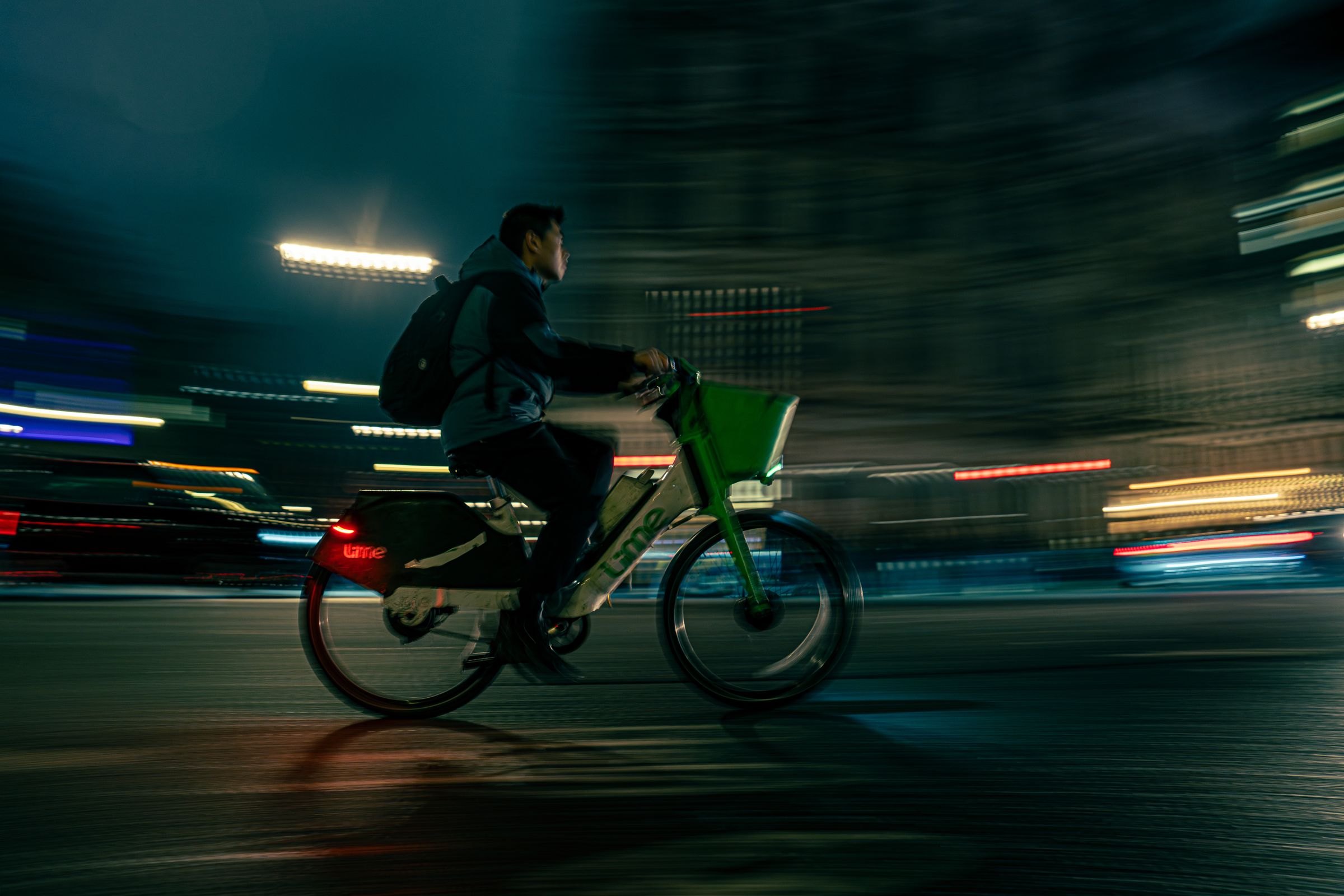
For riders buying an e-bike in California, the bike would come with more than pedals and a battery. AB 2346 would require class 1 and class 2 electric bicycles manufactured, sold or offered for sale on or after Jan. 1, 2029, to include a speedometer, so riders can see how fast they are actually going instead of relying on feel alone.
The proposal, from Assemblymembers Lori Wilson and Marc Berman, would also require every electric bicycle sold on or after that date to have an integrated or detachable front lamp and a rear lamp. Before the bike leaves the store, sellers and distributors would have to give buyers specified disclosures, and manufacturers and distributors would have to include a written description of California’s e-bike rules in the packaging.
A clearer read at the handlebars
The speedometer requirement is aimed at the kind of bike most people think of when they picture a neighborhood e-bike, especially the class 1 and class 2 models that share more of the street with regular bicycles. By tying the rule to those classes, the bill puts the display where the rider can actually use it, not buried in paperwork.
The sales disclosures would do the rest of the work. The bill calls for information about the bike’s classification, maximum speed, wattage, age limits, helmet rules and the warning not to tamper with the device to make it go faster than the law allows.
Rules that travel with the bike
The packaging requirement matters because it gives buyers a second place to see the rules after they have already committed to the purchase. Instead of leaving the law to a website search or a quick conversation at the counter, AB 2346 would make the basics travel home with the bike itself.
The timing is the other part of the story. The new equipment and disclosure rules would apply to bikes manufactured, sold or offered for sale on or after Jan. 1, 2029, which means the standard changes at the point of sale for future bikes rather than rewriting what people already own.
Sources
Synthesized from 7 verified citationsSynthesized by AI linked to original documents.