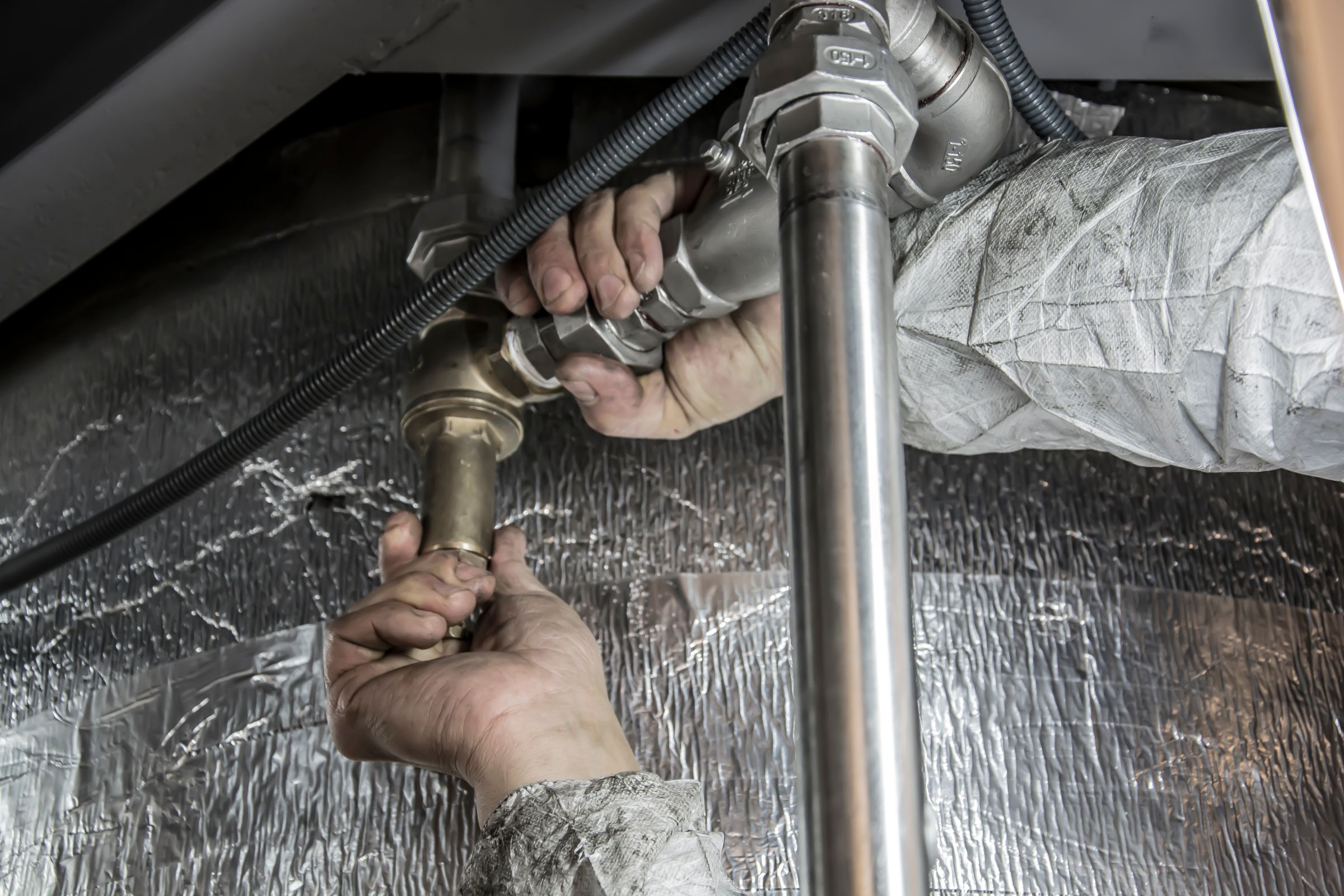
In California, fire sprinkler fitters and the people training to become them would face a much firmer licensing line under SB 1299. The bill would turn the State Fire Marshal’s current rules into statute, and it would bar anyone from working on water- or chemical-based fire suppression systems without being registered or certified, except where the bill makes an exception.
The state already lets the State Fire Marshal regulate fire safety in buildings and structures, including construction, testing, inspection, certification, registration and licensing. Those existing fire sprinkler fitter regulations are already enforceable as a misdemeanor. SB 1299 would codify, revise and recast that framework in law.
A track into the trade
The bill would not leave fire suppression work to informal on-the-job practice. It would create a more formal path for trainees, apprentices and certified fire sprinkler fitters, with registration and application rules attached.
Trainees would need to register with the State Fire Marshal, work within the chapter’s scope for up to one year from registration, and meet age, application and fee requirements. Apprentices would have to show acceptance into an approved apprenticeship program and employment with a licensed contractor. Out-of-state applicants would need to show comparable hours and experience, and licensed C-16 fire protection contractors would have to make sure the workers they assign are properly credentialed.
Why the state is drawing a hard line
Fire suppression systems are not routine equipment. They are part of a building’s emergency life support, the machinery meant to control or contain flames when people have only minutes, sometimes seconds, to get out. The bill’s premise is that those systems should not be left to uncredentialed work.
That matters to the people installing the systems, and to the building owners and occupants who depend on them when something goes wrong. SB 1299 would make the State Fire Marshal the gatekeeper for entry into the trade, not just the regulator at the end of it.
Sources
Synthesized from 8 verified citationsSynthesized by AI linked to original documents.