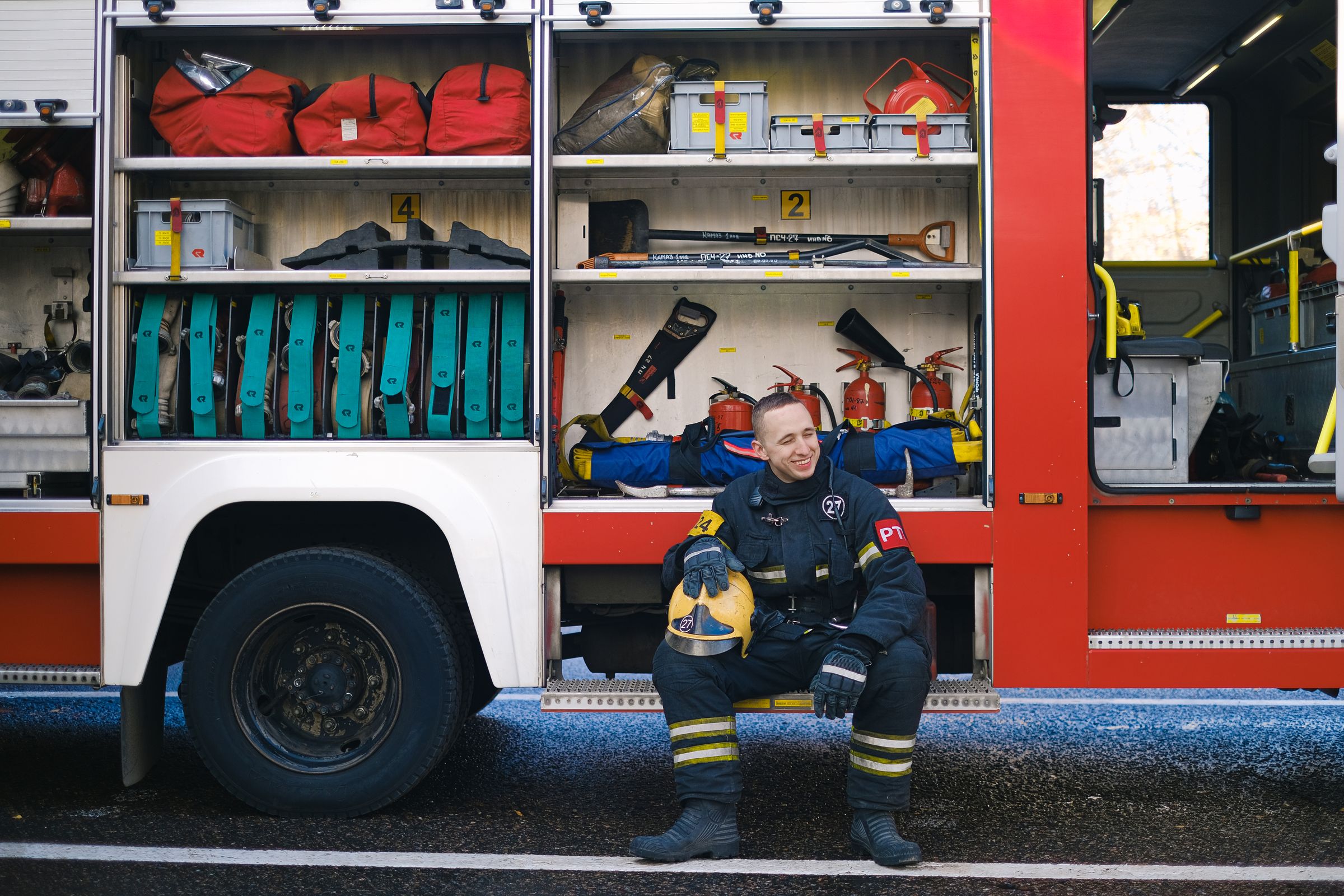
California firefighters who give birth could get a leave benefit built for the realities of a job that does not pause for recovery. SB 1024 would give eligible active firefighting members of specified fire departments 26 weeks of fully paid postpartum and recovery leave after childbirth, stillbirth or miscarriage.
The leave would apply only when the event happens after 20 weeks of gestation. It would begin immediately, with pay at the firefighter’s regular rate and benefits continuing to accrue.
The leave itself
Senator Caroline Menjivar’s bill would create a new labor-code article for firefighter postpartum and recovery leave. To qualify, a firefighter would need at least 1,250 hours of service with the department in the 12 months before the childbirth, stillbirth or miscarriage.
The proposal says the leave would be granted without regard to length of service or employment classification. That matters in a field where people can be working side by side while carrying very different job titles, schedules and seniority levels.
A job that asks for more than most
The policy is aimed at a workplace built around emergency response, heavy gear and physical strain, where postpartum recovery can collide with the job almost immediately. The bill treats that recovery as a workplace issue, not just a private one, and gives firefighters a protected runway to heal without losing pay or benefits.
For the families behind the turnout coat, the practical change is simple: time, income and breathing room after a birth or loss. For the department, it sets a separate standard for a job that often leaves little room for either.
Sources
Synthesized from 10 verified citationsSynthesized by AI linked to original documents.