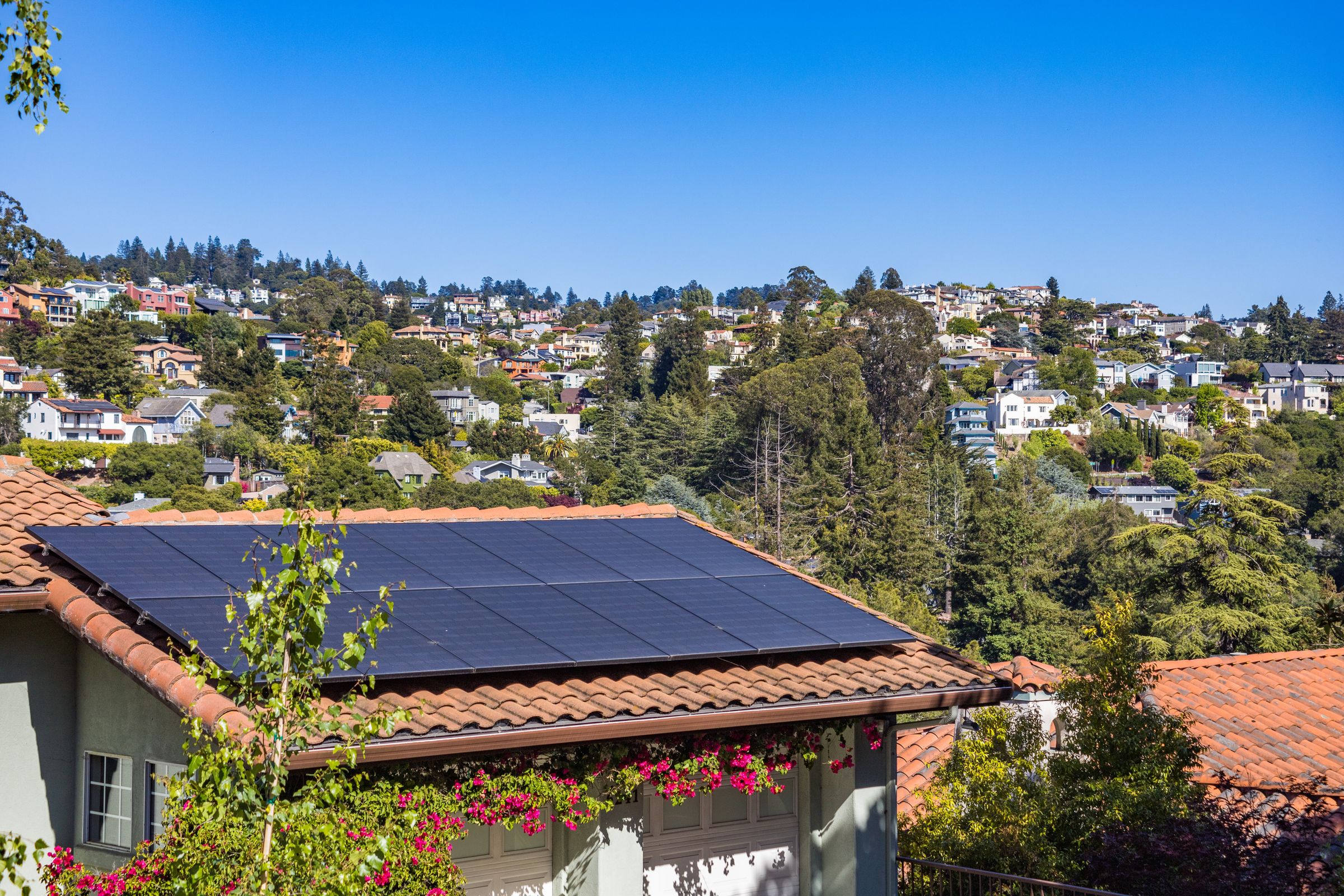
California homes with rooftop batteries, smart thermostats and other small energy devices could get credit for helping keep the lights on under SB 913. Sen. Josh Becker’s bill would require regulators to expand the pathway by June 30, 2027 so utilities and community choice aggregators can count those resources in procurement and reliability filings.
The bill would require the Public Utilities Commission, working with the California Energy Commission and the Independent System Operator, to improve market-integrated pathways for those resources by June 30, 2027. It would also let electrical corporations, electric service providers and community choice aggregators include them in resource-adequacy filings and commission-ordered procurement, which is California's way of making sure enough power is lined up for peak demand.
What counts when the grid is strained
The definition matters because these resources are not a single power plant sitting on a map. They are aggregated pieces, one or more distributed resources bundled together so they can supply electricity to, or reduce demand on, the distribution system when called upon.
That could put a cleaner label on the value of assets already installed in homes and businesses. If the state accepts them more readily in resource-adequacy filings, they could help utilities and community choice aggregators meet peak obligations without leaning so hard on traditional supply.
The practical test
The bill also tells regulators to make the process technology-neutral, protect consumer data privacy and avoid rules that unnecessarily block participation. It adds one more assignment, too: recommendations on changes to the Independent System Operator's proxy demand-response approach, the market framework that helps some demand cuts count toward grid needs.
Available vote records show the bill advanced without recorded no votes. For customers, the stakes are concrete: if these smaller resources count more reliably, California can build its reliability plan around tools people already have on their walls, rooftops and thermostats.
Sources
Synthesized from 10 verified citationsSynthesized by AI linked to original documents.