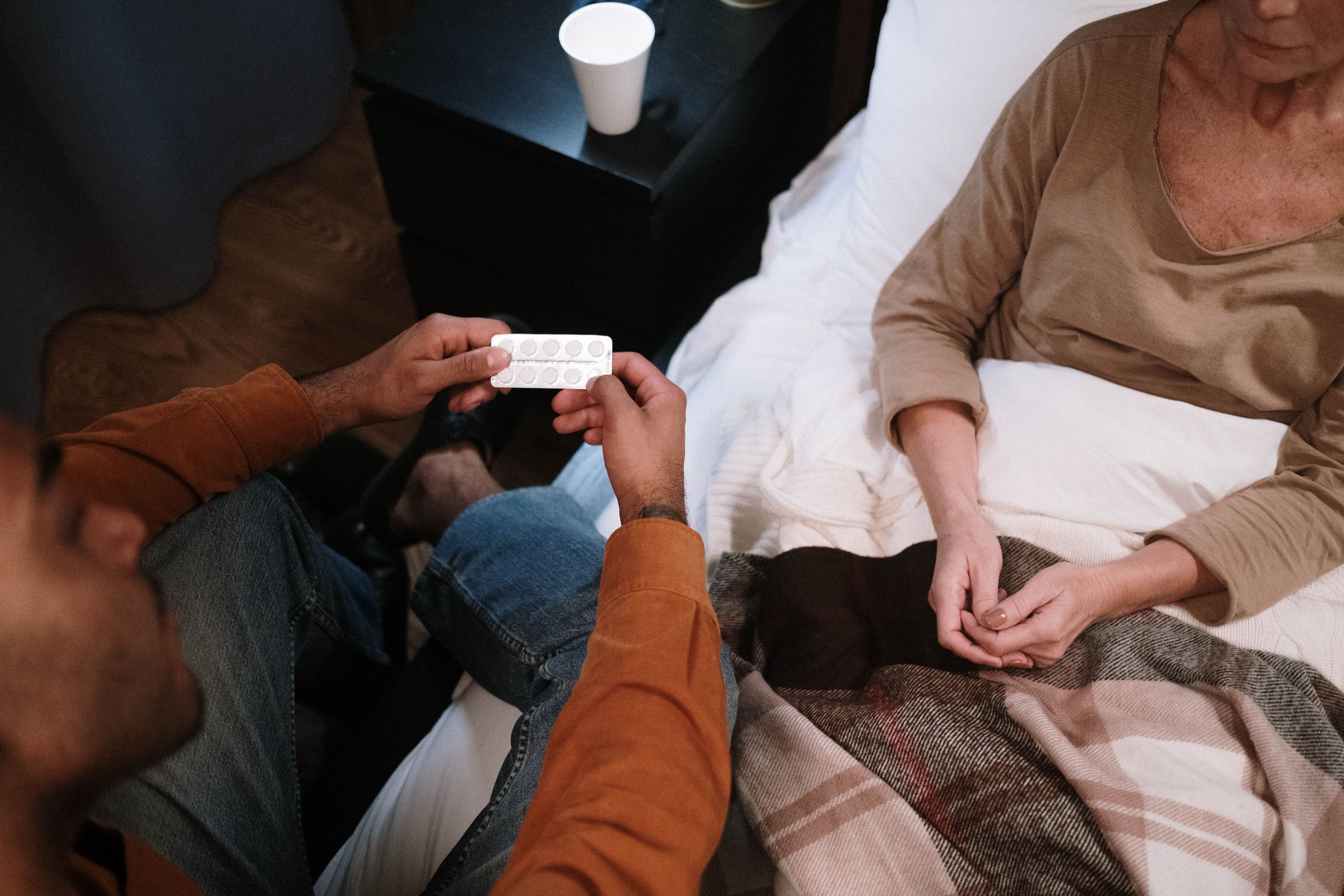
In California, a teenager who helps an aging grandparent bathe, a parent manage medications or a disabled sibling get through the day could eventually get credit for work that already shapes their life. Assemblymember Jeff Gonzalez’s AB 2324 would start building a route from that home caregiving into the direct support profession, the jobs that help older adults and people with disabilities live in the community.
The bill focuses on youth caregivers, defined as students typically in grades 9 through 12 who help someone with a chronic illness, ongoing health problem, frailty, disability or mental illness. It does not hand them a finished career program. It tells the state to build one around the experience they already have.
Turning home care into a credential
AB 2324 would add Section 12053.5 to the Education Code and place the work inside California’s vocational education system. By July 1, 2027, the Governor’s Council for Career Education would have to assess the challenges and needs of the state’s youth caregivers and recommend workplace learning strategies to the California Workforce Pathway Joint Advisory Committee, or CWPJAC.
By July 1, 2028, the CWPJAC would have to appoint an advisory group of subject-matter experts to create and establish a Youth Caregivers Career Pathway program for the direct support profession. The bill says that pathway should include in-home caregiving and prepare students for direct support work, while also making room for a curriculum that could let them earn high school credit for care they provide at home.
Why the bill reaches beyond school
The point is bigger than a line item in the Education Code. The measure treats caregiving as experience that can count toward training and job access, instead of something young people do privately and then leave off a résumé. That matters for families who already depend on youth caregivers, and for a workforce that needs more direct support professionals.
Available vote records show the bill advanced without recorded no votes. If it becomes law, the first effect would be administrative, not immediate: California would begin assembling a pathway that could make unpaid care at home look less like lost time and more like the start of a career.
Sources
Synthesized from 9 verified citationsSynthesized by AI linked to original documents.