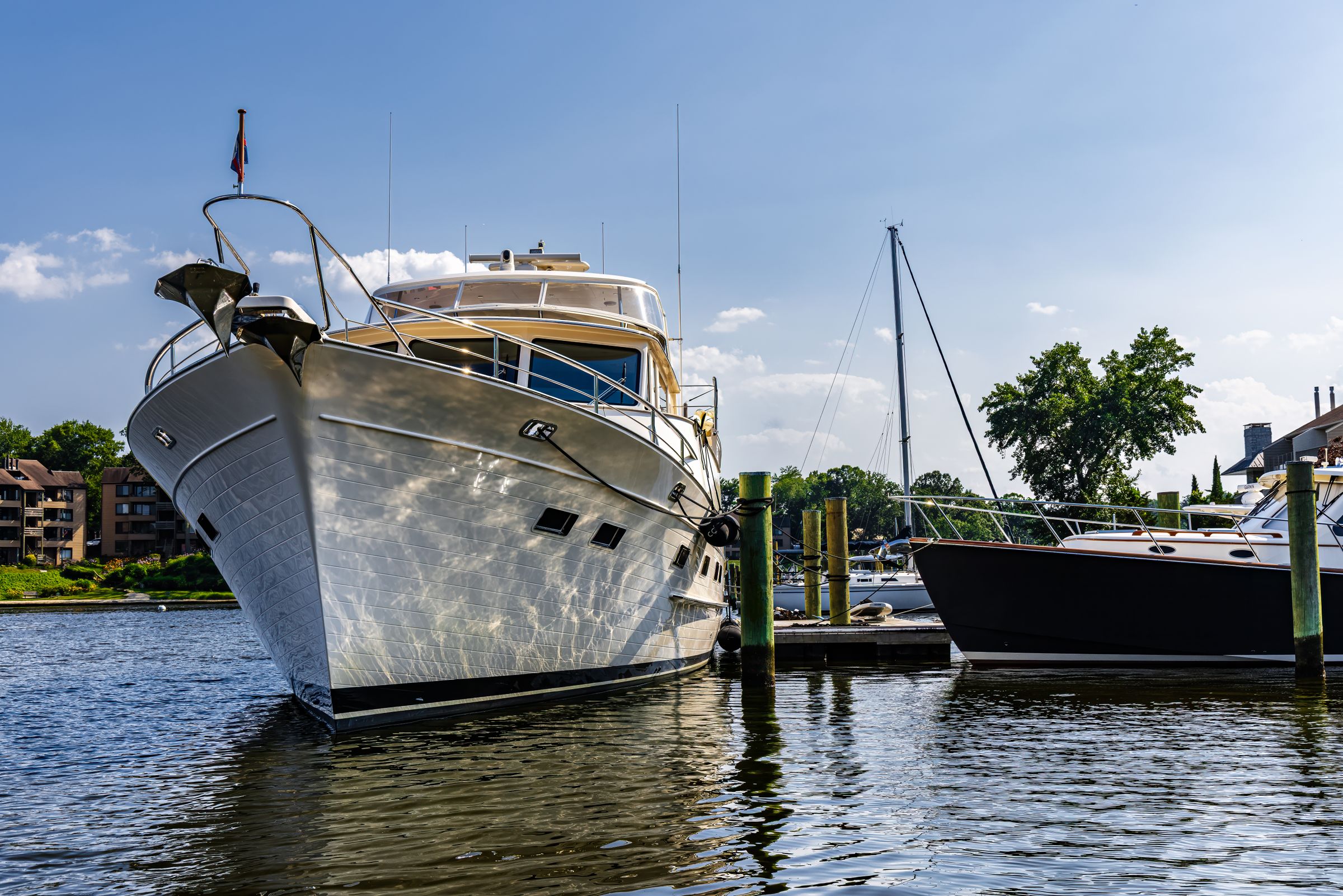
The Army Corps of Engineers is drawing three new danger zones in the waters of Carr Creek and Whitehall Bay near Naval Support Activity Annapolis, giving boaters and other vessel operators a clearer warning around Naval Academy firing-range activity. One zone will be in Carr Creek and two will be in Whitehall Bay, where the firing range may pose a risk when it is operating.
A warning buffer
In federal waters around Annapolis, the change is about separating moving boats from live training. The Corps says the Carr Creek zone is needed to support safe operation of the United States Naval Academy firing range and to reflect the routine and periodic use of the range for training Sailors, Midshipmen and law enforcement personnel.
The Whitehall Bay zones serve the same purpose, but for irregular and infrequent training use. The range faces Carr Creek, and when it is active, vessels inside those danger zones could be at risk.
Different water, different rhythms
The rule does not say the waterways are closed all the time. It marks out areas where the danger rises when firing-range training is underway, so mariners know where extra caution matters most and where the Navy needs a bigger safety buffer for its training cycle.
The clock on the rule
The final rule takes effect July 11, 2026, 30 days after publication in the Federal Register.
Sources
Synthesized from 7 verified citationsSynthesized by AI linked to original documents.