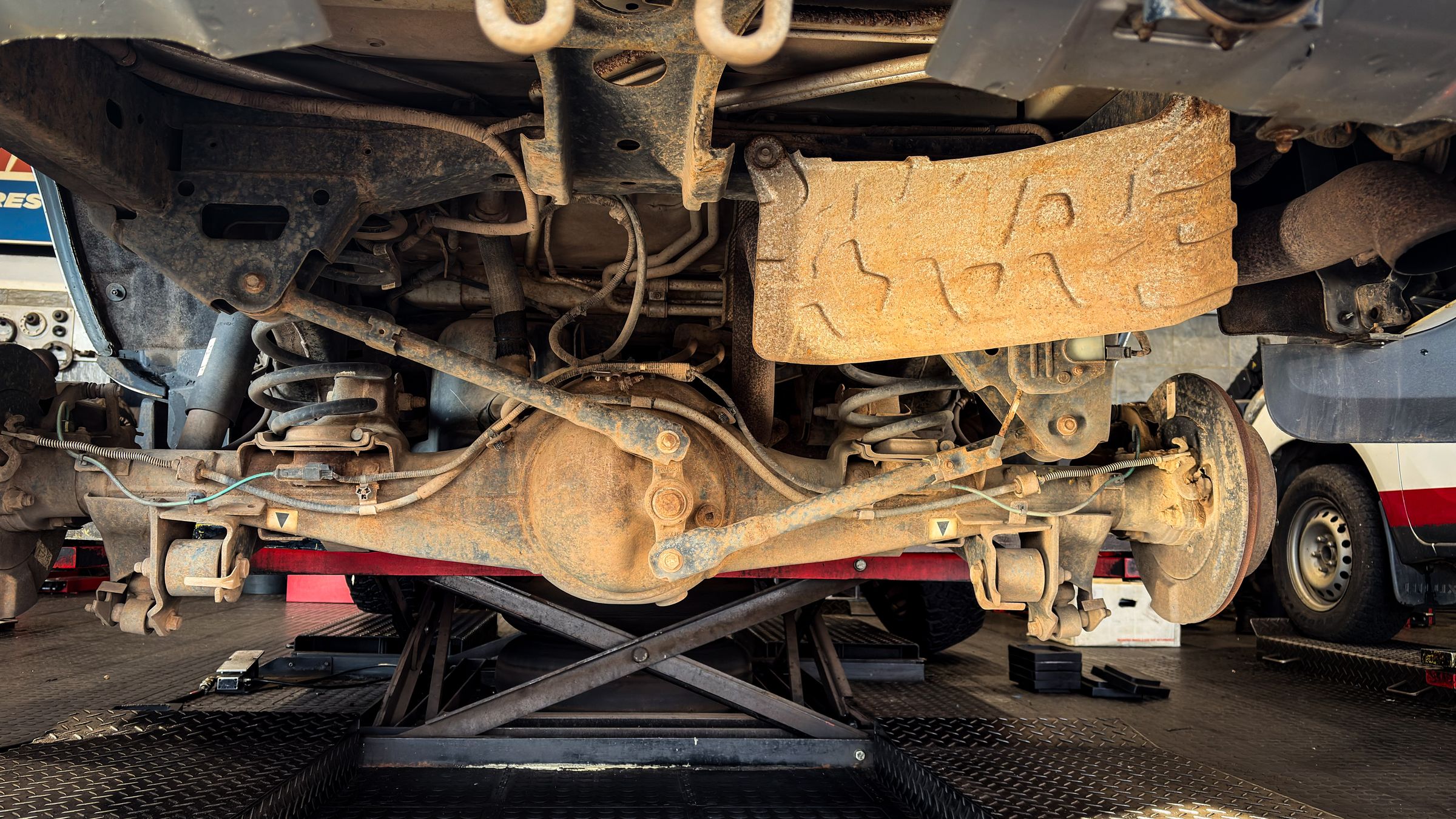
The U.S. International Trade Commission, the federal trade agency, has found that a U.S. industry was materially injured by imports of chassis and subassemblies from Mexico, Thailand and Vietnam. The decision matters because it clears a key hurdle in a trade case that could support antidumping and countervailing duties, though it does not impose them on its own.
The covered goods are chassis and subassemblies in customs subheadings 8716.39.00 and 8716.90.50, the kind of parts that can sit deep inside wider vehicle and equipment supply chains.
Downstream costs
For importers, manufacturers and other buyers, the immediate concern is not a courtroom technicality. It is whether these parts become more expensive, harder to source or both if duties follow. Even when the tariff action lands on a specific component, the bill often travels farther than the border, showing up in assembly costs and eventually in finished products.
That is why injury findings like this one matter. They are the final domestic hurdle before Commerce can move toward remedy, and they often decide whether a trade case becomes a pricing problem for businesses that never shipped the goods themselves.
The findings behind the case
Commerce had already found the goods from all three countries were sold in the United States at less than fair value, meaning below fair value, and that imports from Mexico and Thailand were subsidized by those governments. Put together, those findings and the ITC injury ruling put the imported chassis and subassemblies closer to added trade penalties.
One commissioner, David S. Johanson, dissented.
Sources
Synthesized from 9 verified citationsSynthesized by AI linked to original documents.