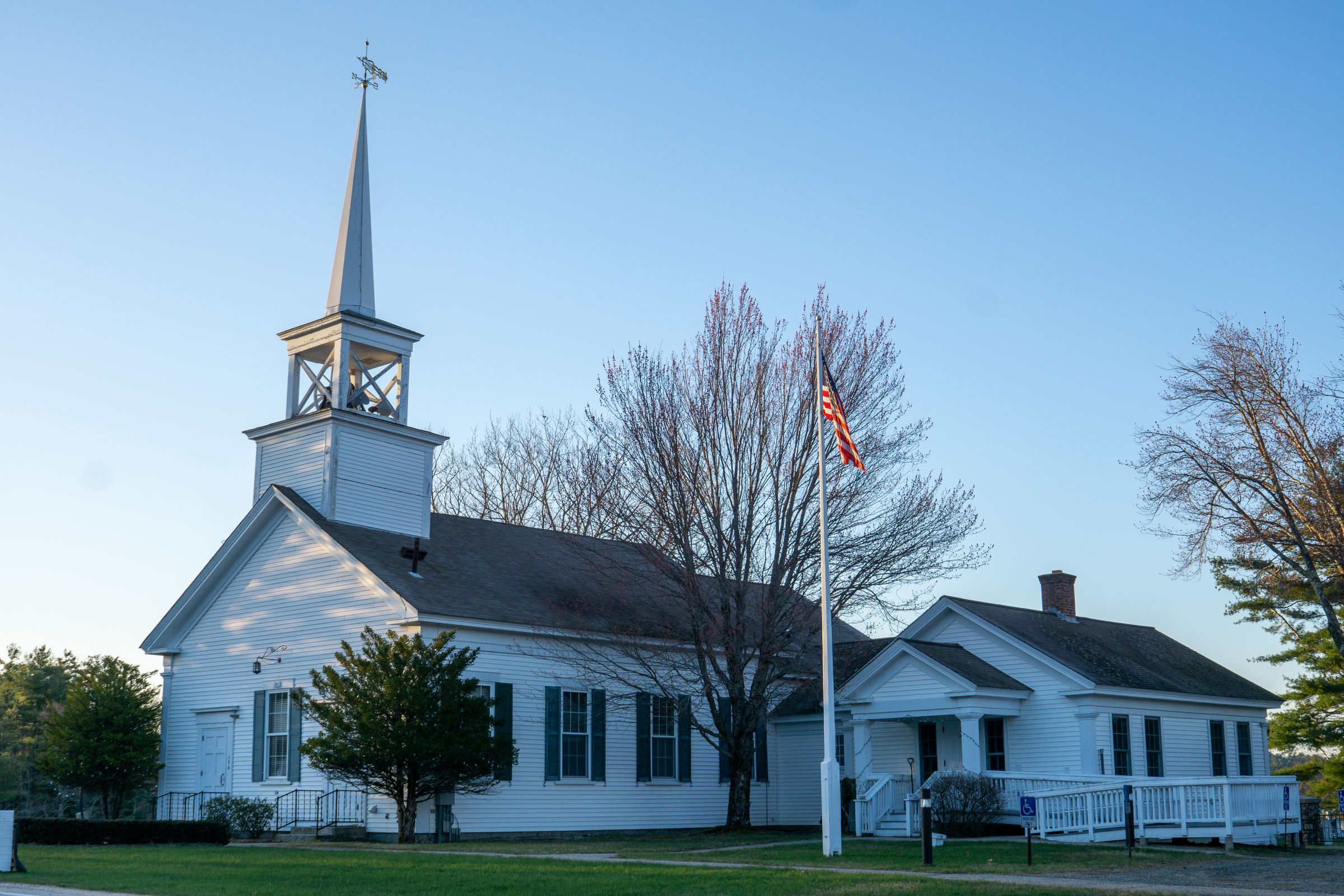
Rhode Island lawmakers are rewriting the state’s property-tax exemption rules so houses of worship keep their core protection, but not as much of the land around them. Under the proposal, buildings used for religious worship would remain exempt, along with the land immediately surrounding them, but only up to five acres. Anything beyond that boundary could lose the exemption and land on the tax rolls.
The line around the sanctuary
The exemption still depends on use. The building and the land have to be occupied and used exclusively for religious or educational purposes. That keeps the basic tax break in place for sanctuaries, chapels and similar spaces, but it makes the surrounding acreage the part that gets narrower.
The bill amends Section 44-3-3 of Rhode Island General Laws, the state’s property-tax exemption statute. That section is where the state spells out which property stays off the tax rolls and which property does not.
Clergy homes and school property get a tighter fit
The proposal also revises the rules for dwellings used by officiating clergy and owned by or held in trust for a religious organization. It reaches some religious-school property as well, tightening the boundaries around what can still qualify for exemption.
For local governments, the effect is straightforward: more land could become taxable even when the main building still qualifies for relief. In places where churches, clergy housing and religious schools sit on larger parcels, that could mean a wider property-tax base without changing the exemption for worship itself.
Sources
Synthesized from 5 verified citationsSynthesized by AI linked to original documents.