In New Jersey, nonpublic schools in one eligible county could stop relying on school districts to line up nursing services. The proposal would keep the same state aid in play, but send it through a county consortium instead of the district that now handles the money.
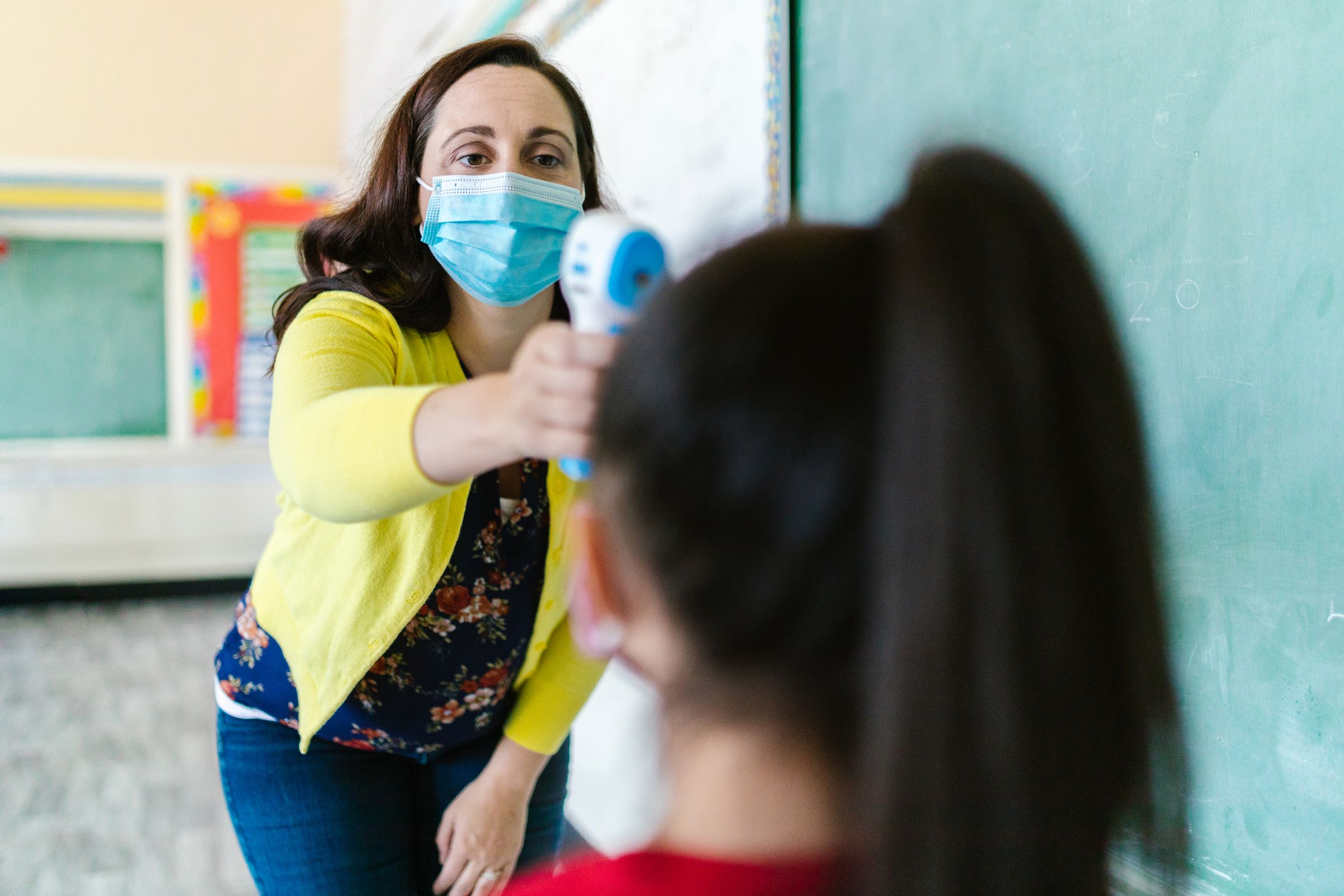
For families, that is not just a budget shuffle. School nursing is the person who gives medication on schedule, checks a fever, responds to an injury and handles health needs that cannot wait until the end of the day.
A county as the middleman
The bill creates a three-year pilot program for nonpublic school nursing services in an eligible county, which it defines as a first-class county with more than 950,000 residents. That makes it a tightly drawn test, not a statewide rewrite.
Inside the pilot, a county consortium would be a nonprofit entity charged with delivering the services to students in participating nonpublic schools. The consortium could do that work directly or through a contracted provider, and the board of education would disburse to it an amount equal to the state aid otherwise paid for nonpublic school nursing services.
What changes for schools and parents
The bill’s real change is the route the money takes. It does not create a new pool of aid or expand the service statewide. It changes who organizes the work and who receives the existing state dollars that support it.
If the pilot works, the county model could become a cleaner way to manage a service that sits at the intersection of health and education. If it does not, the state gets a limited test instead of a permanent overhaul.
Sources
Synthesized from 11 verified citationsSynthesized by AI linked to original documents.