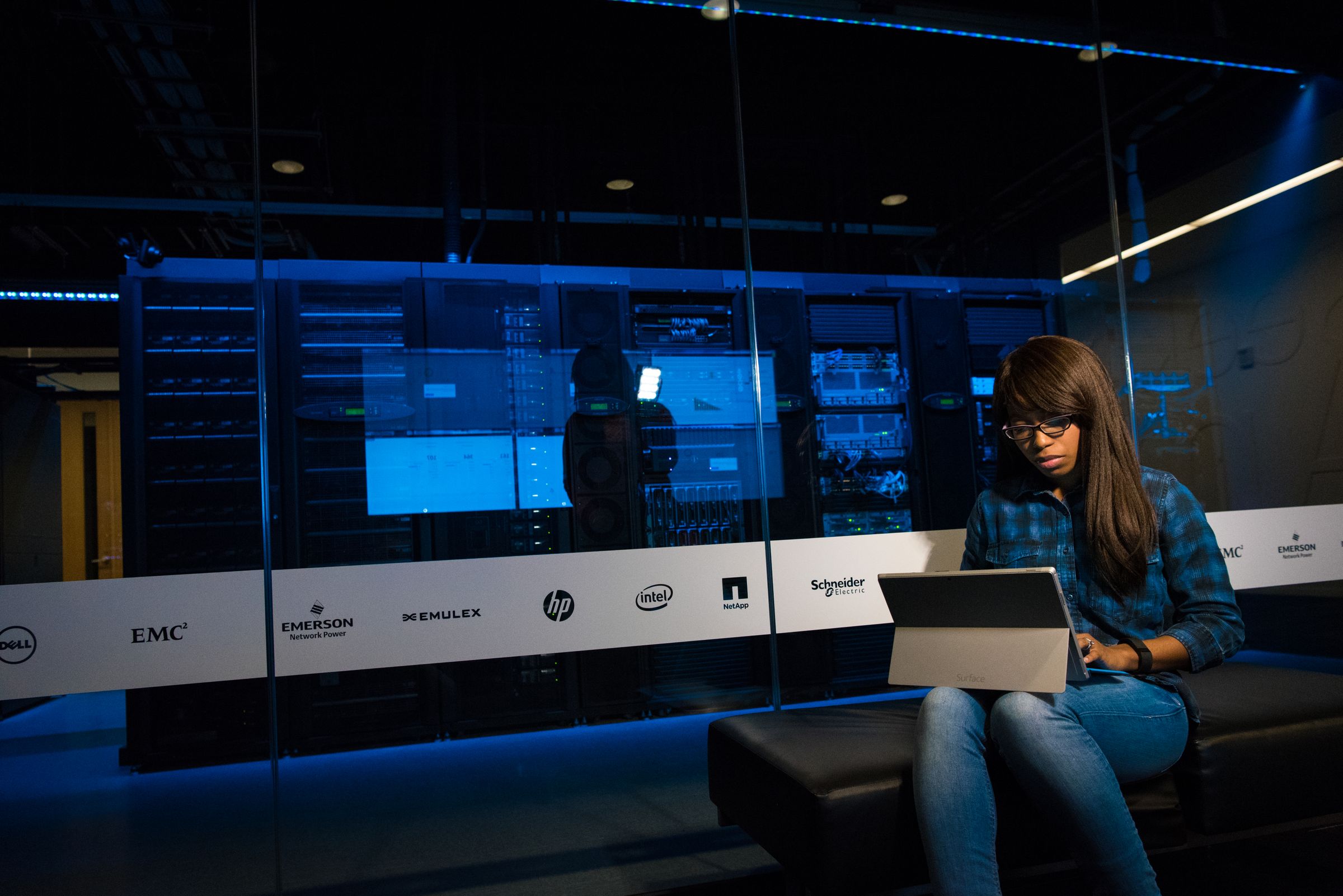
In New Jersey, data centers would have to put their resource use on paper twice a year. Owners and operators would send semi-annual reports to the Board of Public Utilities, or BPU, so the state can see how much water and energy these facilities consume.
That matters because data centers are not ordinary office buildings. Their main job is storing, managing and processing digital data, which means rows of servers, cooling systems and other equipment that can put real pressure on power systems and water sources. The bill treats the rule as transparency, not a cap, and it would apply for three years from the first filing.
The numbers behind the servers
The filings would go beyond a simple utility total. They would identify the facility, its owner or operator, where it sits, when it began operating and the local electric utility it uses. They would also spell out energy use, backup power and where the water comes from.
For data centers receiving a state financial incentive, the report would have to include additional performance and sustainability measures. The bill defines terms such as energy reuse factor, power usage effectiveness and renewable energy factor so regulators can compare facilities on a common scale.
- Total energy use, including electricity and other fuels.
- Cooling energy and emergency backup power.
- Total and peak daily water input.
- Whether water comes from a public system, groundwater or surface water.
- For incentive recipients, added efficiency and sustainability metrics.
Who falls outside the rule
The bill does not sweep in every server room. It excludes facilities used mainly for internal operations by a licensed health care facility or provider, as long as they are not operating as a commercial data-processing or colocation site for an unaffiliated entity.
Sources
Synthesized from 10 verified citationsSynthesized by AI linked to original documents.