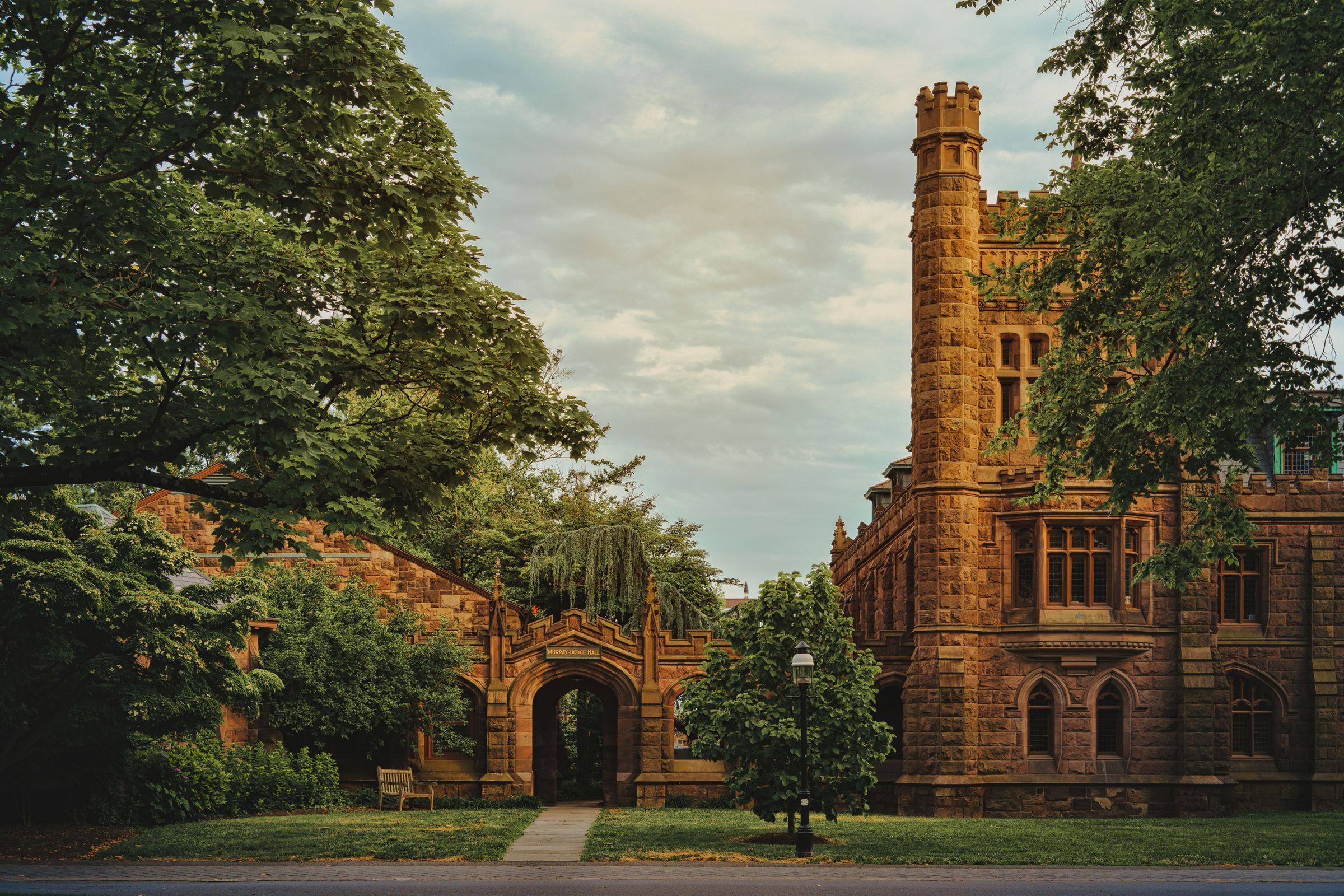
In New Jersey, a small town can wind up doing big-city work without getting the tax base that usually pays for it. A proposal from Assemblywoman Dawn Fantasia, joined by Assemblyman Mike Inganamort, would create annual State aid payments for municipalities of 30,000 people or fewer when state-owned and county-owned property accounts for at least 10% of the town’s acreage.
The target is a familiar municipal squeeze. Public land can still bring the same demands on local government, from police and fire calls to road upkeep and other basic services, even when that land is tax-exempt and does not help carry the bill.
A payment tied to the land
The aid would be set at $500 for each acre of qualifying State-owned and county-owned property inside an eligible municipality. The bill defines county-owned property broadly, including offices, hospitals, institutions, schools, colleges, universities, garages, warehouses, barracks and armories, plus nearby vacant land held for the same future use.
Not every public parcel would count. Highway, bridge and tunnel land would be left out, and so would property already covered by payments in lieu of taxes, the separate arrangement some governments use instead of the normal property-tax system.
Who would qualify, and how the money would flow
To make the cut, a municipality would have to stay at or below the 30,000-resident mark and meet the 10% acreage threshold for State and county property. Each year, the municipal assessor would file the acreage totals with the Division of Taxation, and the director would certify the amount by Feb. 1.
The State Treasurer would then send the payment by Aug. 1 from the Property Tax Relief Fund, subject to legislative appropriation. If the fund did not have enough money, the payments would be reduced proportionally across eligible towns.
Sources
Synthesized from 10 verified citationsSynthesized by AI linked to original documents.