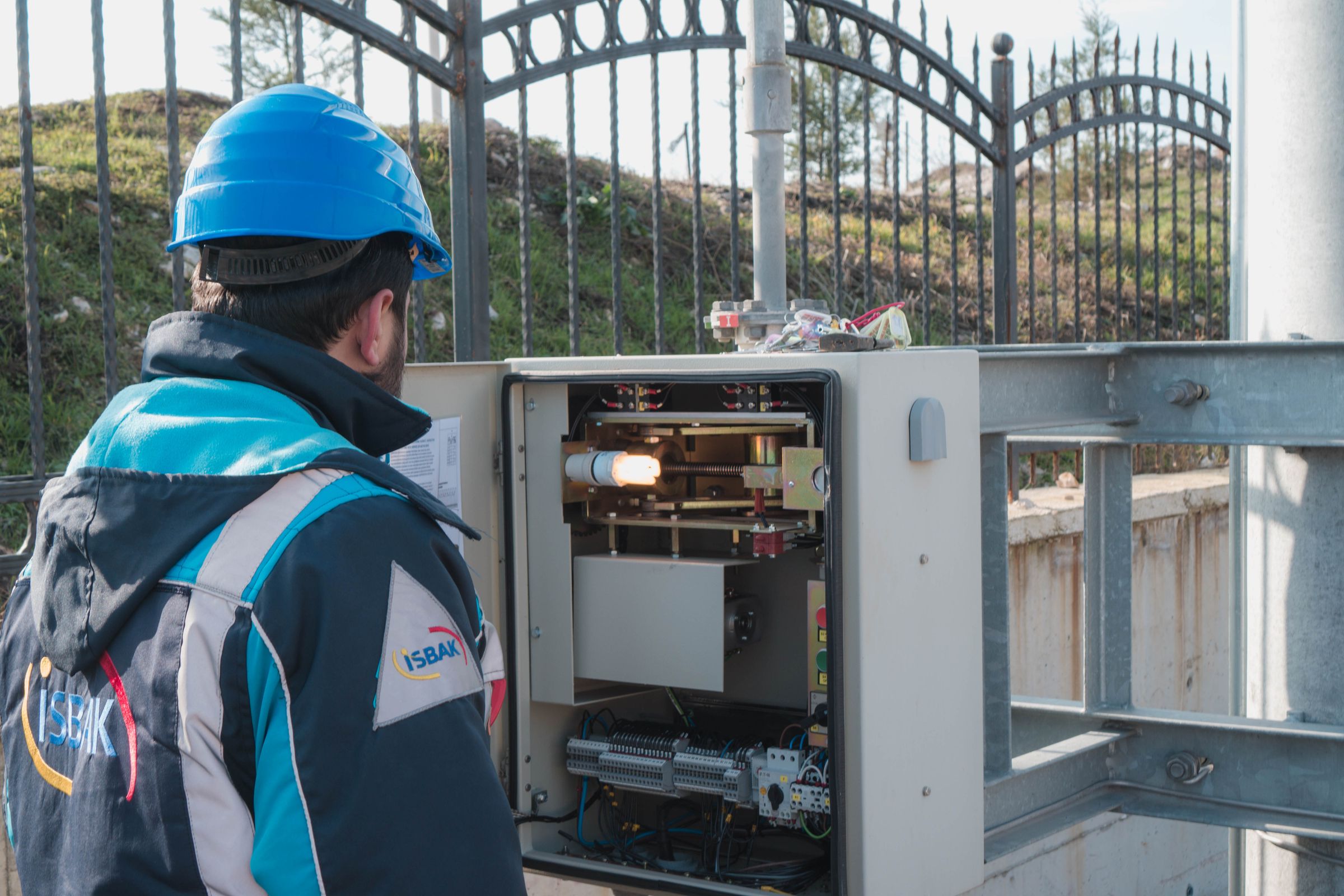
Massachusetts is using $120 million to target per- and polyfluoroalkyl substances, or PFAS, in drinking water. Through the Department of Environmental Protection, the money can support the kind of work towns and homeowners actually face when contamination shows up: filters, treatment systems and other capital upgrades. The funds stay available through June 30, 2032.
The fixes the money can buy
The language is broad enough to cover planning, construction, replacement, repair and modernization of drinking-water infrastructure. That matters because PFAS cleanup is often less about one piece of equipment than about rebuilding part of a system so it can keep water safe over time.
Public systems, private wells
The money is not limited to big municipal systems. It also reaches private wells and imminent-hazard situations, which is important for homeowners who may not have a water district standing between them and the cost of a fix. In those settings, the practical answer can be a filter, a treatment upgrade or something more permanent.
A long window to spend it
The funding sits inside a broader climate and resiliency package, but the drinking-water line is the one that will matter most to residents worried about what comes out of the tap. With the spending window open for years, the state has time to move from cleanup plans to the infrastructure that actually keeps PFAS out of water.
Sources
Synthesized from 8 verified citationsSynthesized by AI linked to original documents.