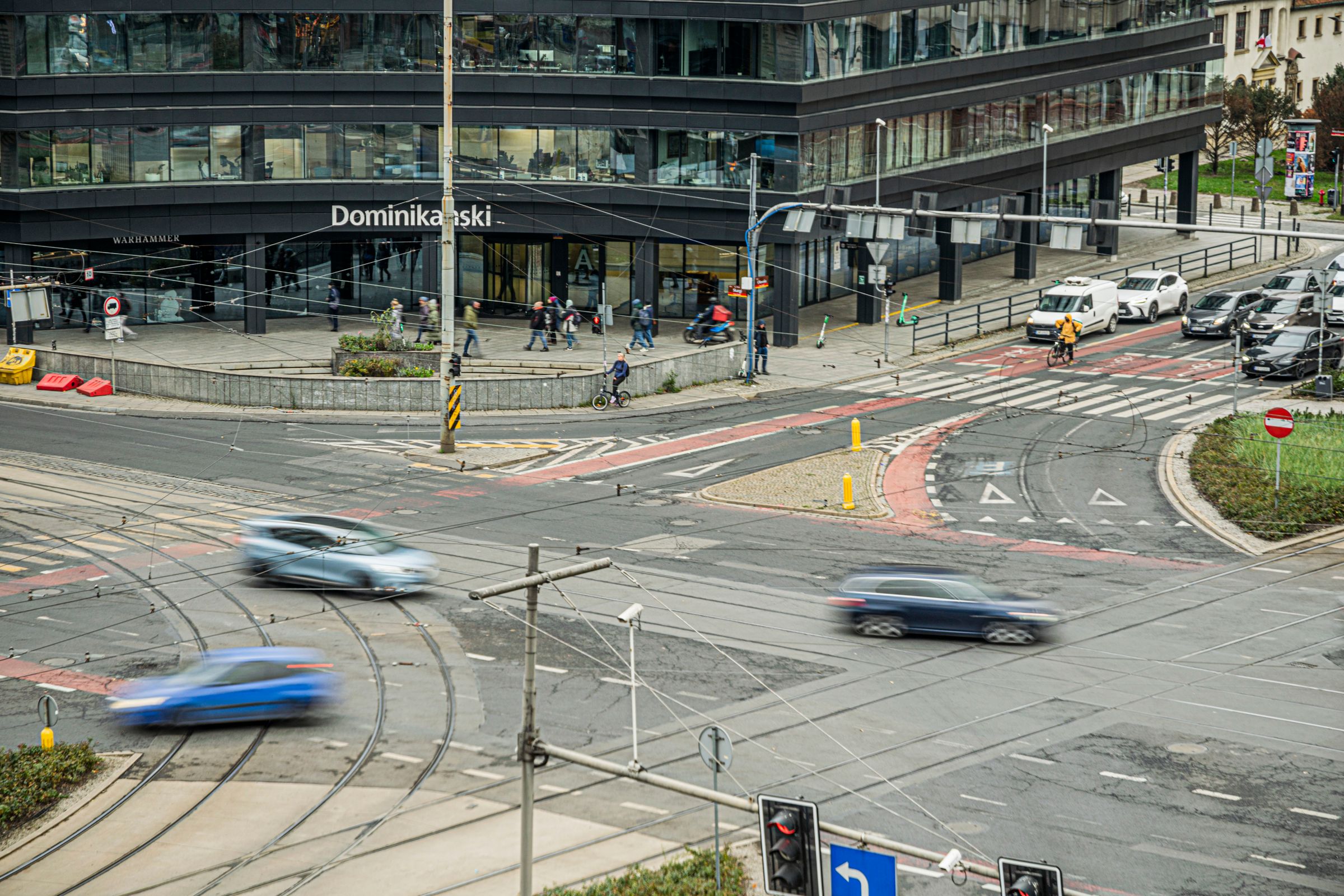
In Rhode Island, drivers who block a signal-controlled intersection could keep getting ticketed by camera for three more years. The state would extend the legal life of its “Don’t Block the Box” enforcement system from Jan. 15, 2027, to Jan. 15, 2030, keeping a narrow traffic tool in place where gridlock can shut down a busy crossing.
The change does not turn the program into a broad surveillance network. It keeps automated traffic violation monitoring focused on traffic-control-signal violations, and a municipality can install the system at no more than three designated intersections.
The gatekeeper stays in place
The state Department of Transportation keeps the approval power. Its director has to sign off on any system, and the approval standard still turns on efficiency and accuracy.
The devices work by using motor-vehicle sensors to produce images of cars that enter the box when they should not. The law keeps that use tightly tied to traffic-signal enforcement, not to general tracking.
A narrow tool with a local footprint
The rules also keep the data on a short leash. Images and video collected by the system can be used only to enforce the traffic violation, and they cannot be sold, shared or transferred to third parties, including other government agencies, unless a judicial warrant exists.
For cities, the appeal is simple: one car in the wrong place can freeze an intersection and back up traffic behind it. Recorded votes show the bill cleared a floor vote, and the extension preserves the tool for municipalities that want it without widening where or how it can be used.
Sources
Synthesized from 12 verified citationsSynthesized by AI linked to original documents.