In San Joaquin Valley, California, the Environmental Protection Agency has finalized a rule conditionally approving the region’s contingency-measure plan for the 2008 ozone standards. The approval matters because this is the backup system meant to kick in if the Valley misses its air-quality goals, but EPA is not treating it as finished.
The agency said the plan now rests on two contingency measures it has already approved in separate rulemakings. That keeps the Valley’s ozone safety net in place for now, while leaving open the question of whether it is strong enough to stand on its own.
The farming link EPA would not ignore
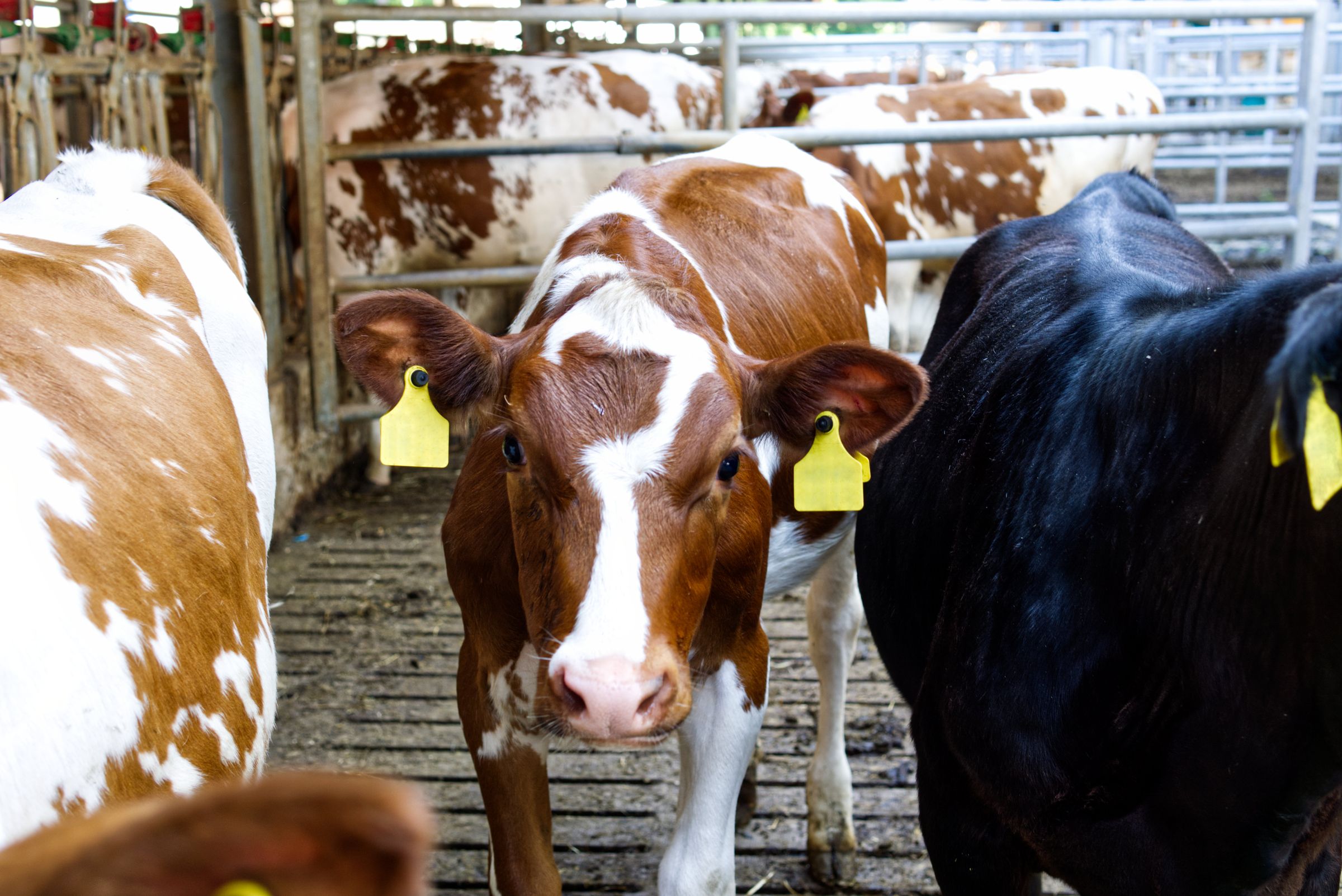
EPA also said it generally agrees with commenters about how much farming operations contribute to Valley-wide volatile organic compounds, or VOCs, emissions inventories. The agency specifically pointed to livestock husbandry, silage and dairy cattle waste. Those sources do not become the entire story, but they are no longer sitting at the edge of it.
That matters in a region where ozone control is tied to the daily work of farms, dairies and other sources that release the pollutants that help form smog. The rule does not solve the underlying pollution problem, but it does make clear that EPA sees agriculture as part of the emissions mix.
A deadline that keeps the pressure on
The conditional approval gives the state air agency and the regional air district one year to submit specific additional contingency measures. If they want the approval to harden into something more durable, they have to deliver by June 4, 2027.
The district has argued that more controls are expensive, pointing to an average $7.5 million cost for dairy digester projects in California. For San Joaquin Valley residents, regulators and farm operators, the message is simple: the plan stands for now, but EPA still wants a sturdier backup before the year is up.
Sources
Synthesized from 11 verified citationsSynthesized by AI linked to original documents.