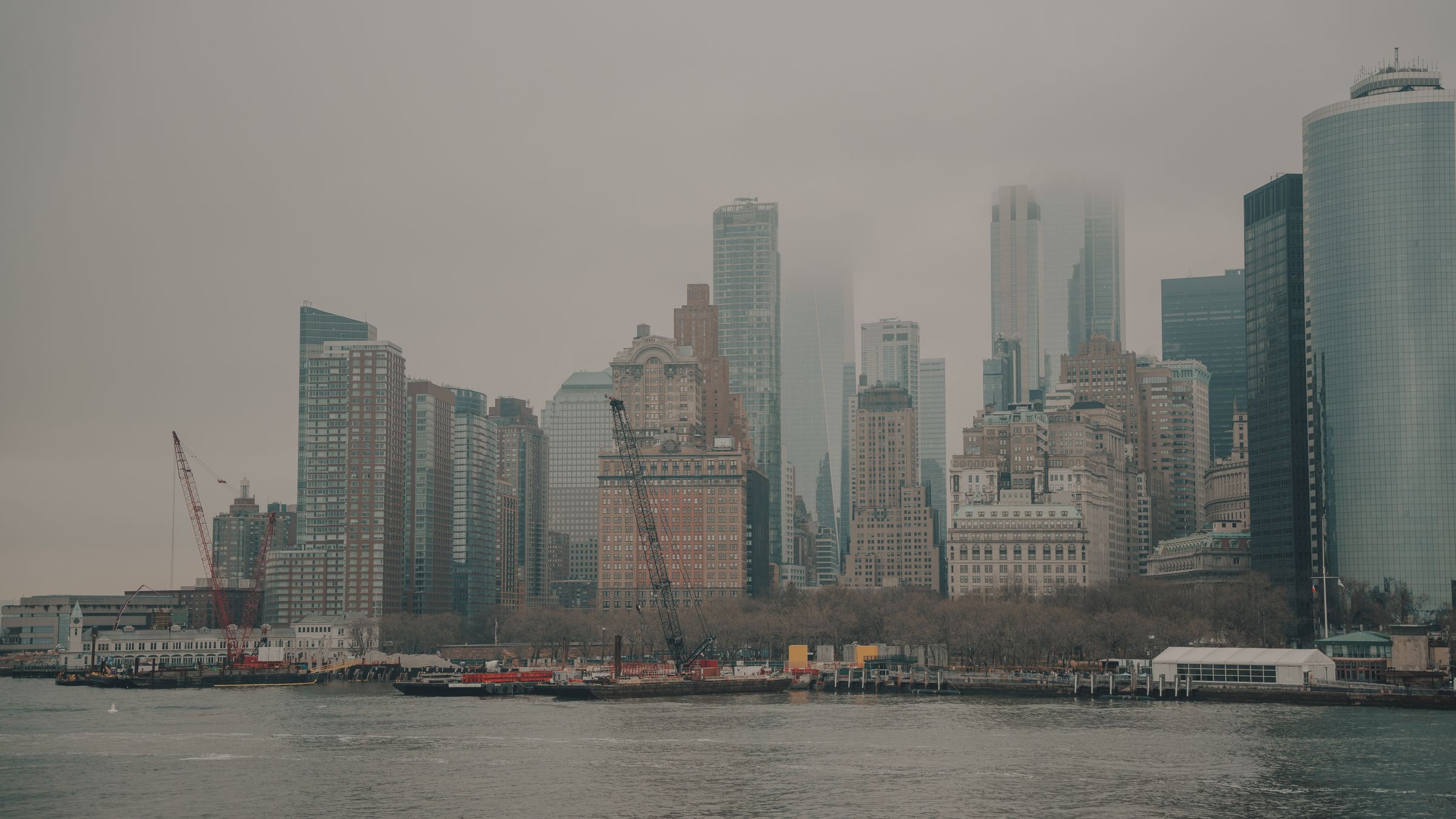
The Environmental Protection Agency is giving the New York metro area another decade under a lighter air-quality plan. The final rule, effective July 13, 2026, approves New York’s second ten-year limited maintenance plan for the 2006 PM2.5 standard, a framework meant for places that are already holding pollution well below the federal line.
PM2.5 means fine particulate matter, tiny particles 2.5 micrometers or smaller. In this case, EPA said the New York portion of the New York-Northern New Jersey-Long Island maintenance area still has enough room under the standard to stay on the simpler path rather than shifting into a heavier compliance regime.
A cleaner rulebook, not a blank check
The approval covers ten counties in the New York portion of the maintenance area: Bronx, Kings, Nassau, New York, Orange, Queens, Richmond, Rockland, Suffolk and Westchester. New York’s Department of Environmental Conservation submitted the maintenance plan on Oct. 15, 2024, and EPA said it meets the Clean Air Act requirements for the second ten-year maintenance period.
That matters because a limited maintenance plan is not the same as going without oversight. It is the federal version of saying a region has stayed stable enough to avoid the most demanding turnaround measures, while still keeping the standard on the books and the air program in place. Think of it less as a victory lap than as a maintenance contract that gets renewed because the system is already working.
Why local air regulators will notice
For residents, businesses and state officials, the practical effect is continuity. The approval lets the region keep operating under the current maintenance framework instead of moving into a more intensive planning cycle that can add reporting and modeling burdens for local regulators.
For a metro area that has spent years staying under the limit, that lighter touch can matter. It means the federal government is satisfied the area can keep meeting the standard without the kind of emergency repair job that follows a pollution rebound.
Sources
Synthesized from 12 verified citationsSynthesized by AI linked to original documents.