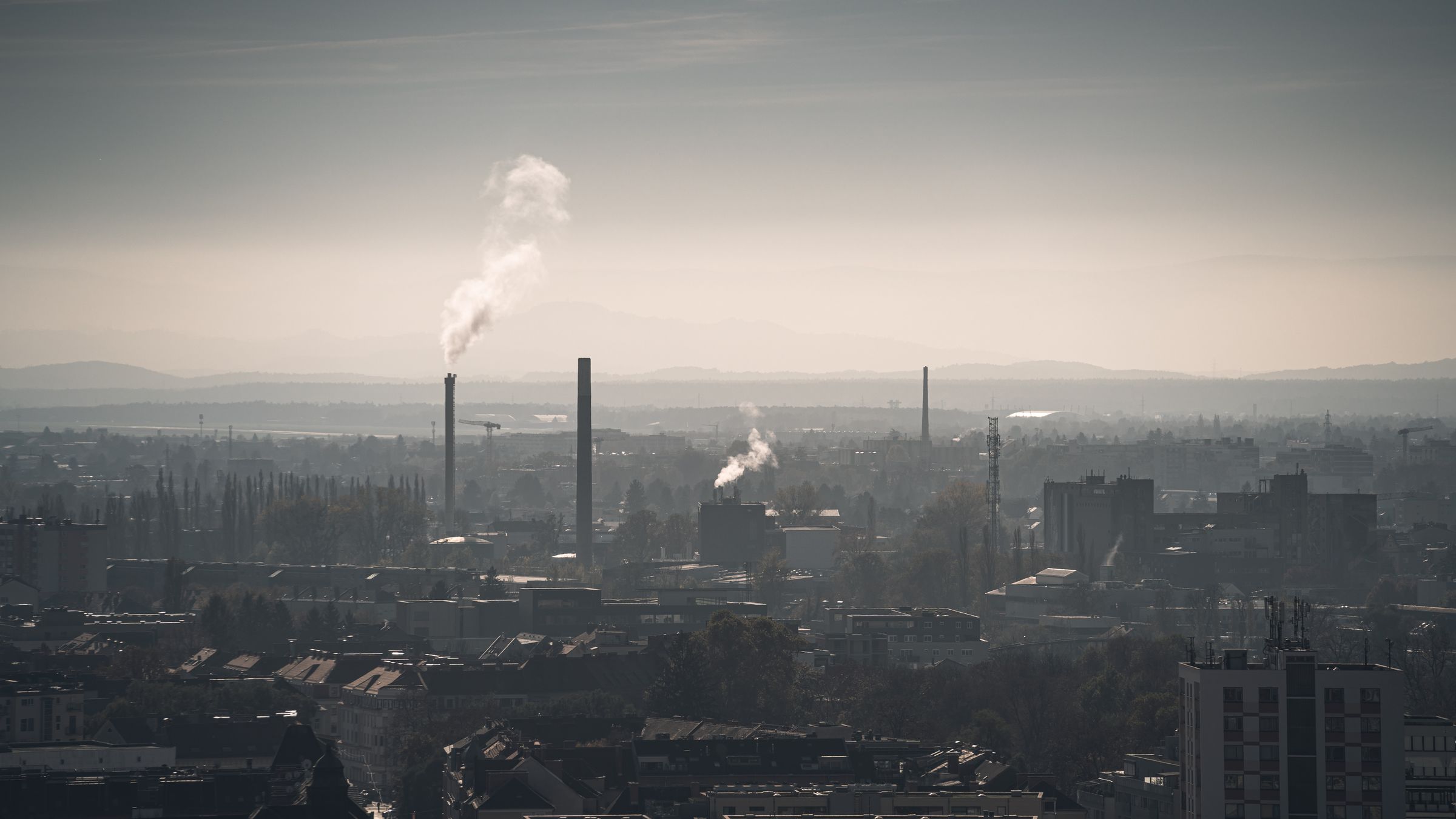
In federal air rules, the South Coast would get five more years to clean up soot. EPA is proposing to extend the deadline for the Los Angeles-South Coast Air Basin to meet the 2012 annual PM2.5, short for fine particulate matter, standard from Dec. 31, 2025, to Dec. 31, 2030.
That matters for people who breathe the region’s air every day. The annual PM2.5 limit is one of the main tools used to push down pollution that can reach deep into the lungs and bloodstream, and the deadline determines how hard local regulators and major emitters have to keep pressing for reductions.
The standard stays at 12 micrograms
EPA says California met the Clean Air Act test for an extension under section 188(e), but the proposal does not lower the bar. The agency’s review found that the South Coast’s projected 2025 annual design value would be 13.09 micrograms per cubic meter, still above the 12.0 micrograms per cubic meter standard.
That is the practical difference here: the region would not get a softer pollution target, only more time to reach the same one. For residents, that means the air-quality fight is still on. For local air boards and industries covered by pollution controls, it means the pressure does not disappear in 2025, it stretches out to the end of 2030.
The next date that matters
EPA is taking public comments through July 13, 2026. After that, the agency will decide whether to finalize the five-year extension for the South Coast.
The proposal is narrowly aimed at the South Coast’s serious nonattainment area for the annual PM2.5 standard, not California as a whole.
Sources
Synthesized from 12 verified citationsSynthesized by AI linked to original documents.