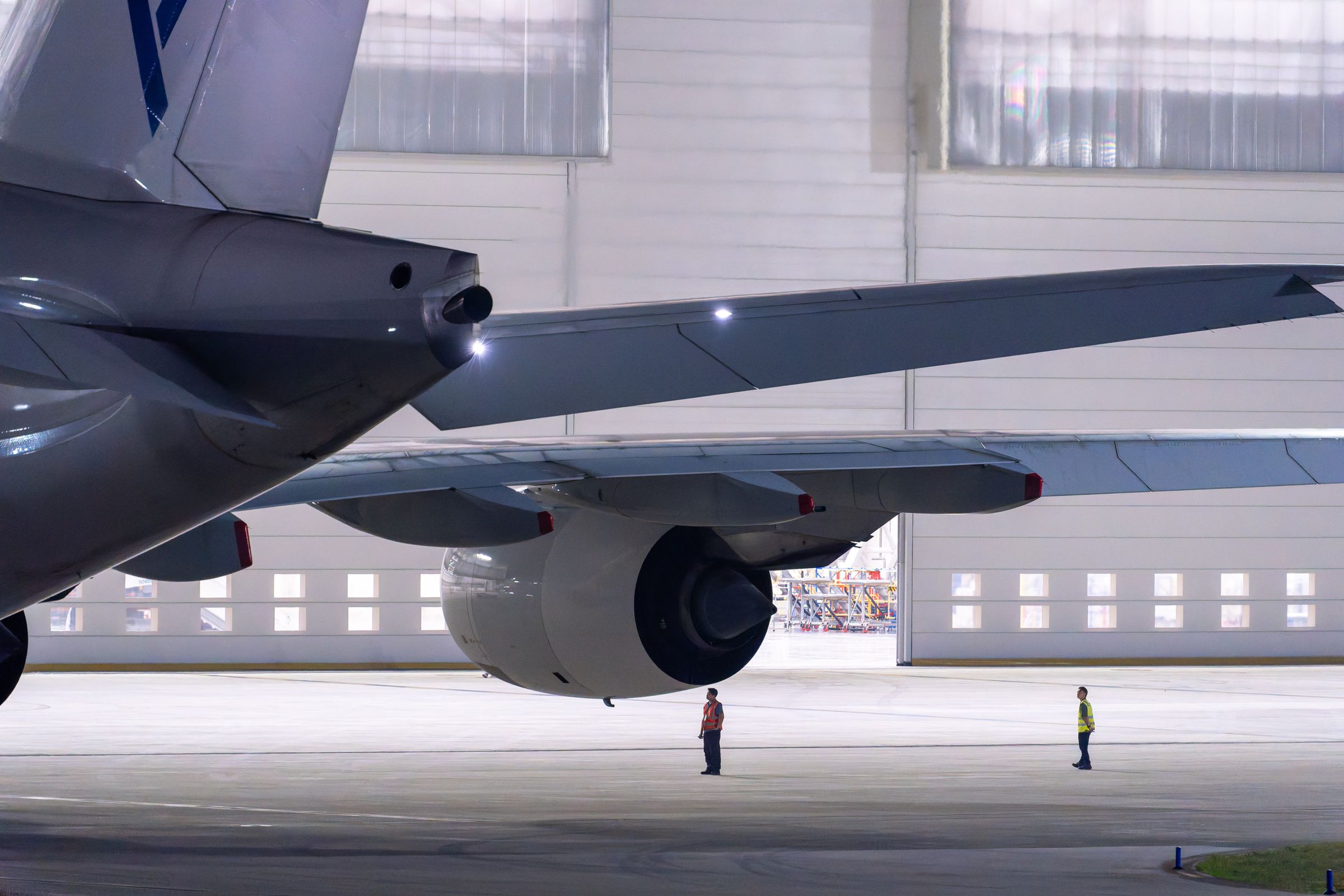
Operators of DHC-8 airplanes now face a new maintenance burden, and passengers get a fresh reminder that a small fastener can carry big consequences. The FAA’s final safety rule takes effect July 9, 2026, and applies to all DHC-8 airplanes in the U.S. fleet.
The rule was prompted by reports of cracked barrel nuts at the wing front spar and at the joint between the horizontal and vertical stabilizers. The FAA is requiring repetitive inspections for cracking and corrosion, plus corrective action when damage is found.
A small part with structural stakes
This is not a cosmetic problem. The FAA says corrosion from inadequate cadmium plating can lead to failed barrel nuts, which could threaten the airplane’s structure and, in the worst case, lead to loss of control.
That is why the agency is turning the issue into a recurring inspection item instead of a one-time repair. If crews find a problem, they cannot simply note it and move on. They have to fix it under the directive’s requirements.
More hands-on oversight for operators
For airlines and maintenance teams, the practical effect is more time spent checking a part most passengers will never see. The directive adds another layer of compliance work to keep the DHC-8 fleet flying safely, especially around the wing and tail joints where the reports surfaced.
The aircraft family has long been a familiar short-haul workhorse, which is exactly why the FAA is acting now. The agency says the directive is meant to address an unsafe condition before a cracked fastener becomes a larger structural problem.
Sources
Synthesized from 12 verified citationsSynthesized by AI linked to original documents.