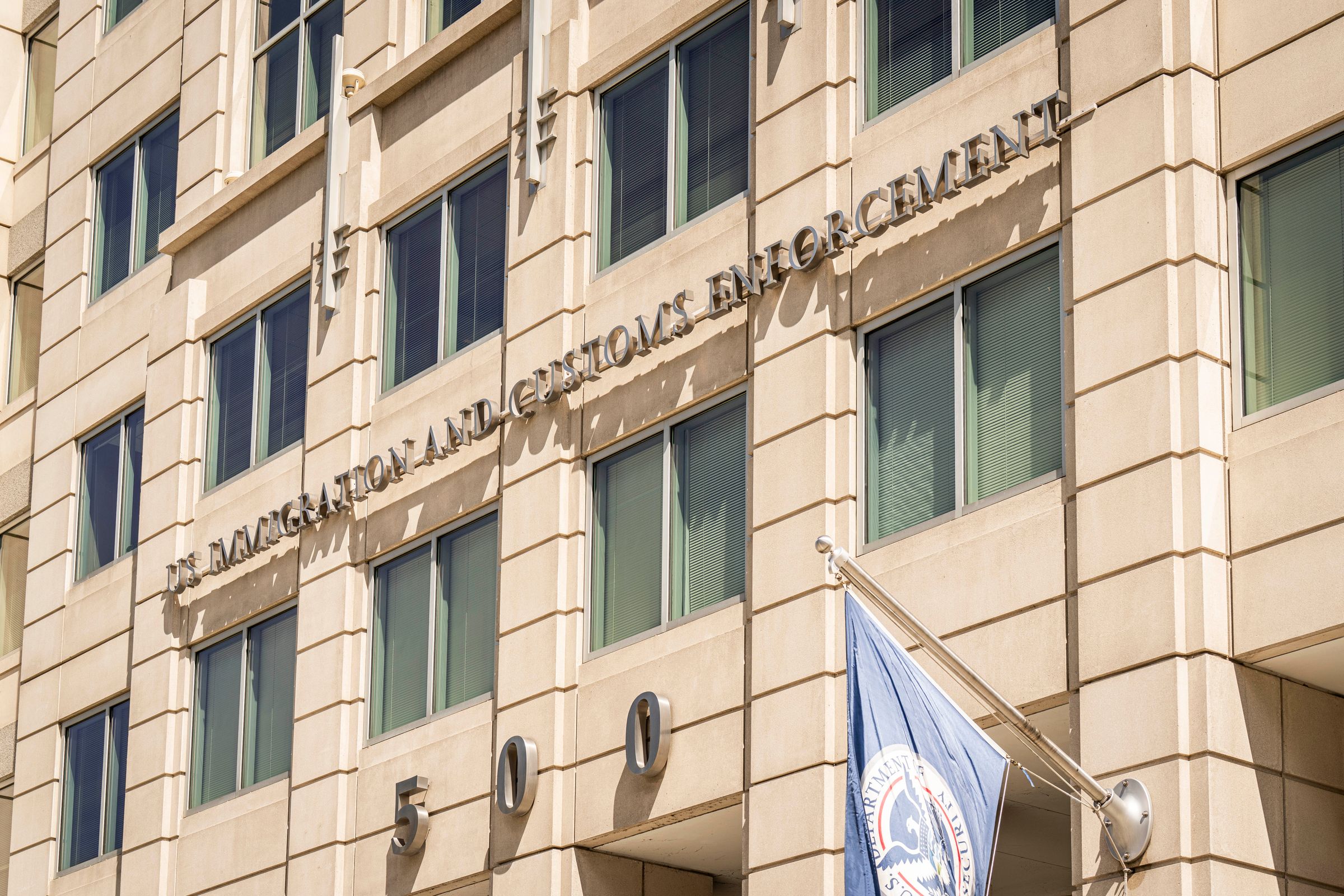
For people held in immigration detention or other Department of Homeland Security facilities, a bad incident can become a knot of unanswered questions fast. Who was injured, who knew, and when did anyone outside the agency learn about it? In the U.S. House, Virginia Democrat James R. Walkinshaw has introduced a bill that would force those moments into the open with a formal notice to Congress.
The proposal is narrow. It does not rewrite custody rules or create new penalties. It would create a reporting requirement so serious incidents in DHS custody do not stay buried inside the department.
A paper trail for the worst cases
That matters because DHS sits at the center of the federal detention system, and what happens inside it can be hard for families, lawyers and advocates to reconstruct after the fact. A notice to lawmakers would not solve every problem, but it would create a public record where there may now be only scattered accounts.
The bill has 14 sponsors in all. Eleven of them are Democrats, while three cosponsors do not have party data attached in the available record. Walkinshaw’s proposal rests on Congress’s Article I, Section 8 powers, but the point for readers is simpler: serious harm or a death in DHS custody would have to be put on the record.
Sources
Synthesized from 6 verified citationsSynthesized by AI linked to original documents.