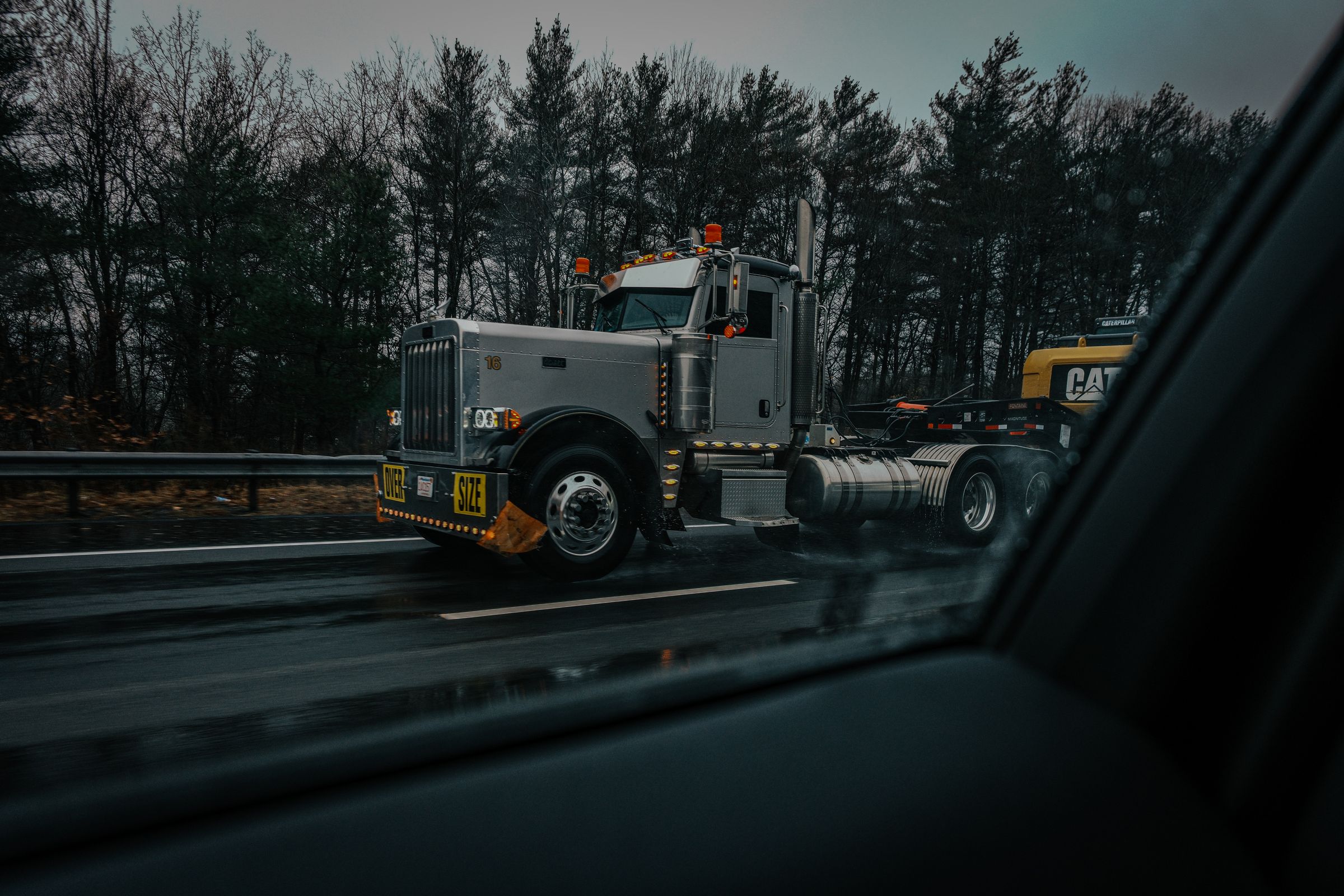
For Ohio farms, moving a tractor or other large machine across a long stretch of road can quickly turn into a traffic problem. The proposal in Columbus would draw a clearer line around when farm machinery can use freeway right-of-way and when a permit is required.
It also folds police escorts for farm equipment and vehicles carrying agricultural equipment and produce into the same traffic-code rewrite, making those oversized moves part of a more controlled system.
A permit, not a free pass
The bill says an agricultural tractor or farm machinery may not occupy freeway right-of-way unless the operator has a permit under Section 4513.341 of the Ohio Revised Code. The language still leaves room for the usual exceptions, including public works, official duties, emergencies and getting help after a breakdown.
It would also let the Ohio Department of Transportation issue an annual permit for operating or moving farm machinery or farm equipment on limited-access highways and freeways under its control, other than an interstate highway. Those permits could come with route restrictions, other conditions and a fee of up to $100. Local authorities could issue their own permits for roads they control, with terms of their own.
Why the road rule matters
The practical effect is straightforward. Big farm equipment would not be able to drift onto restricted highway space without paperwork, and officials would have more control over where and how it moves. For drivers on the road, that can mean fewer slow-moving surprises in places built for faster traffic.
Available vote records show the bill advanced without recorded no votes.
Sources
Synthesized from 8 verified citationsSynthesized by AI linked to original documents.