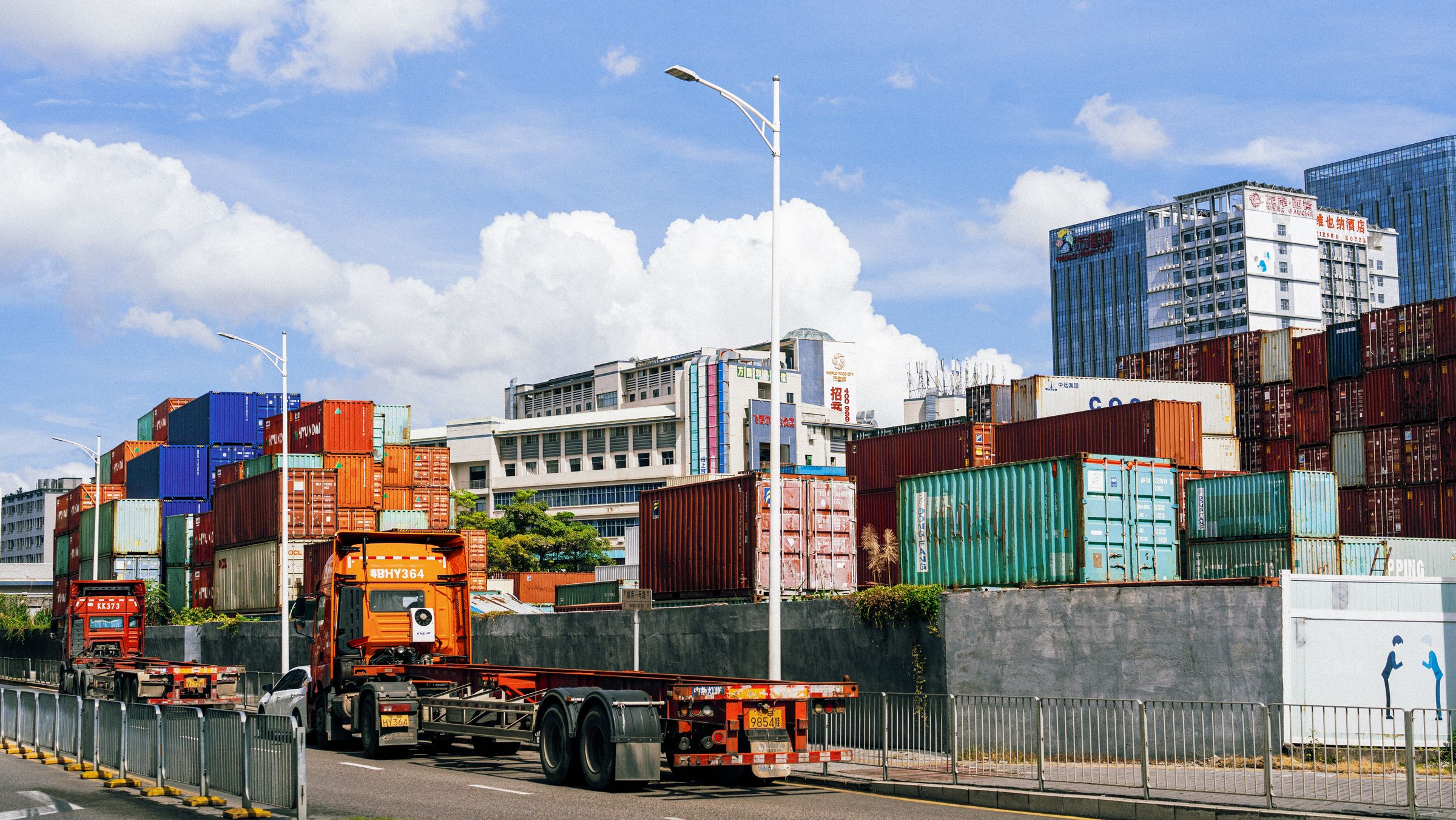
In Washington, the trade pact that replaced NAFTA is heading toward an unusual test in 2026. The United States, Canada and Mexico are scheduled to conduct a joint review of the United States-Mexico-Canada Agreement, or USMCA, and that review can lead to revision of the agreement or even its phasing out. For the farmers, importers, manufacturers and workers whose businesses run across those borders every day, this is not abstract diplomacy. It is a question about whether the rules they rely on stay stable, get rewritten, or start to unravel.
The review matters in part because it is the first of its kind in any U.S. free-trade agreement. Trade deals usually settle into the background after the signing ceremony, becoming part of the plumbing of the economy. USMCA is different. The deal was built with a built-in checkup, and the mere existence of that checkup gives the three governments a chance to reopen arguments that many businesses had assumed were closed.
A deadline written into the deal
USMCA was never designed to be a set-it-and-forget-it arrangement. The agreement created a formal review process, and 2026 is the first time the parties are scheduled to use it. That alone makes the moment unusual. A trade pact that governs so much of North American commerce does not often arrive with a built-in opportunity to question whether it should be revised, renewed or allowed to fade.
That uncertainty is the point of attention for companies that depend on cross-border rules staying predictable. A manufacturer that builds parts in one country, assembles them in another and sells them in a third has to plan years ahead. So does a farmer counting on access to Canadian and Mexican markets. Even a review that ends in modest changes can alter the assumptions behind pricing, investment and shipping.
Congress is not a bystander
Lawmakers were heavily involved in shaping U.S. priorities during the USMCA negotiations, then approved the pact and enacted the implementing legislation in 2020. That history gives Congress a reason to stay engaged now. Members may ask for consultations with the executive branch about how the agreement is being carried out and how the review should proceed. In practical terms, that means the people who helped write the rules may try to make sure they do not simply drift out of their control.
Congress's interest is not only institutional pride. Trade policy affects prices, jobs and the shape of American industry, and USMCA sits at the center of commerce with two of the country's closest neighbors. When lawmakers press for consultations, they are not just protecting turf. They are trying to keep a say over the terms that affect exporters trying to sell abroad, importers trying to move goods efficiently and consumers who feel the effects when supply chains get more expensive or less reliable.
The NAFTA fight still casts a shadow
The politics around USMCA cannot be separated from the fight that came before it. During the 2017-2019 negotiations, President Trump’s threats to withdraw from NAFTA loomed over the talks and helped drive the push for a replacement. That history still matters because it showed how quickly a trade agreement can become a leverage point in a broader political fight. USMCA was meant to provide a sturdier framework, but the review brings back the same basic tension: how much of North American trade should depend on executive branch decisions, and how much should be anchored by a deal Congress has already approved?
That earlier standoff is also why the 2026 review carries more weight than a routine update. If one administration used the threat of withdrawal to force a new agreement, another round of review can raise the same question in a different form. A pact can be written to last, but it still lives inside politics. That is especially true when the agreement sits between two neighboring economies that are intertwined with the United States in everything from agriculture to manufacturing.
Why the border economy notices
For readers far from the negotiating table, the stakes show up in less diplomatic places: a price tag, a payroll, a shipment sitting at the border. USMCA underpins trade with Canada and Mexico, and that means it helps shape the flow of farm exports, factory inputs and finished goods across the continent. When the rules are steady, businesses can plan around them. When the rules are up for review, even if only in a formal sense, uncertainty starts to seep into those plans.
That is why the 2026 process matters even before anyone knows whether it will produce a major rewrite. The agreement could remain largely intact, or it could be revised in ways that ripple through supply chains and trade flows. The people most exposed are the ones who do not get a vote on trade pacts but live with their consequences anyway: the exporter waiting on a foreign buyer, the importer relying on a predictable route, the factory worker whose job depends on cross-border parts and the shopper who pays when friction gets passed along.
A narrow review or a wider reset
The central question is not whether USMCA disappears overnight. It is whether the first scheduled review under a U.S. free-trade agreement becomes a limited checkup or a broader reopening of the deal itself. CRS notes that the process can end in revision or phasing out, but it does not say that outcome is inevitable. That leaves room for a more modest result, one that keeps the pact intact while still testing how much trust the three countries have in the framework they built.
For Congress, the review is a reminder that trade authority is never fully settled. For businesses, it is a reminder that the agreement behind North American commerce is not sealed off from politics. And for everyone who depends on that commerce, the practical question is straightforward: does USMCA emerge from its first review looking like a durable backbone of trade, or like a deal that can be renegotiated whenever the political weather turns?
Sources
Synthesized from 22 verified citationsSynthesized by AI linked to original documents.