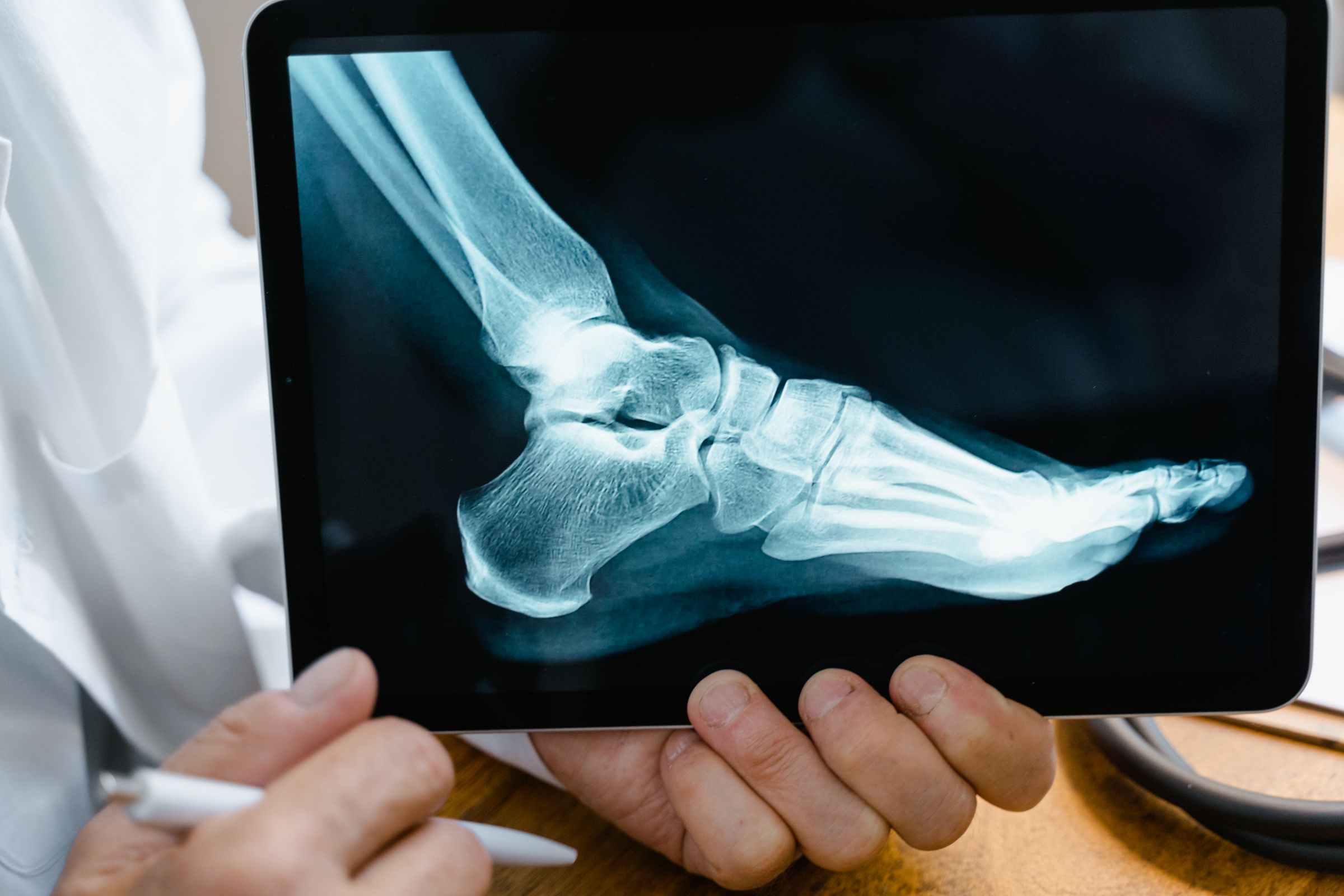
Patients who may receive an absorbable metal bone fastener, and the surgeons who use it, now have a clearer rulebook from the Food and Drug Administration. In a final order, FDA said the device belongs in class II, which means it will be governed by special controls rather than the most demanding premarket path.
The order took effect June 5, 2026. FDA says that classification gives a reasonable assurance of safety and effectiveness without piling on more burden than the device needs.
A middle lane for a dissolving implant
The device is described as an implant such as a bone screw, pin or Kirschner wire made from absorbable metal or metal alloys. It is designed to dissolve after the bone has healed enough to hold itself together.
That disappearing act is why the agency wants more oversight than a standard implant, but not the highest regulatory barrier. The special controls call for clinical data, non-clinical performance testing, biocompatibility, sterility and shelf-life evidence, along with labeling that spells out the material makeup, the byproducts left behind as it absorbs, revision-surgery instructions and the time it takes to fully absorb.
Why the label matters
For manufacturers, the classification can shape how quickly a device reaches the market and how much evidence has to be ready along the way. The product remains subject to section 510(k) premarket notification requirements unless FDA says otherwise.
FDA also said the classification was applicable on March 29, 2023. The agency’s broader point is straightforward: keep the safety bar in place while making room for a newer kind of orthopedic implant that is meant to be gone once the bone no longer needs it.
Sources
Synthesized from 12 verified citationsSynthesized by AI linked to original documents.