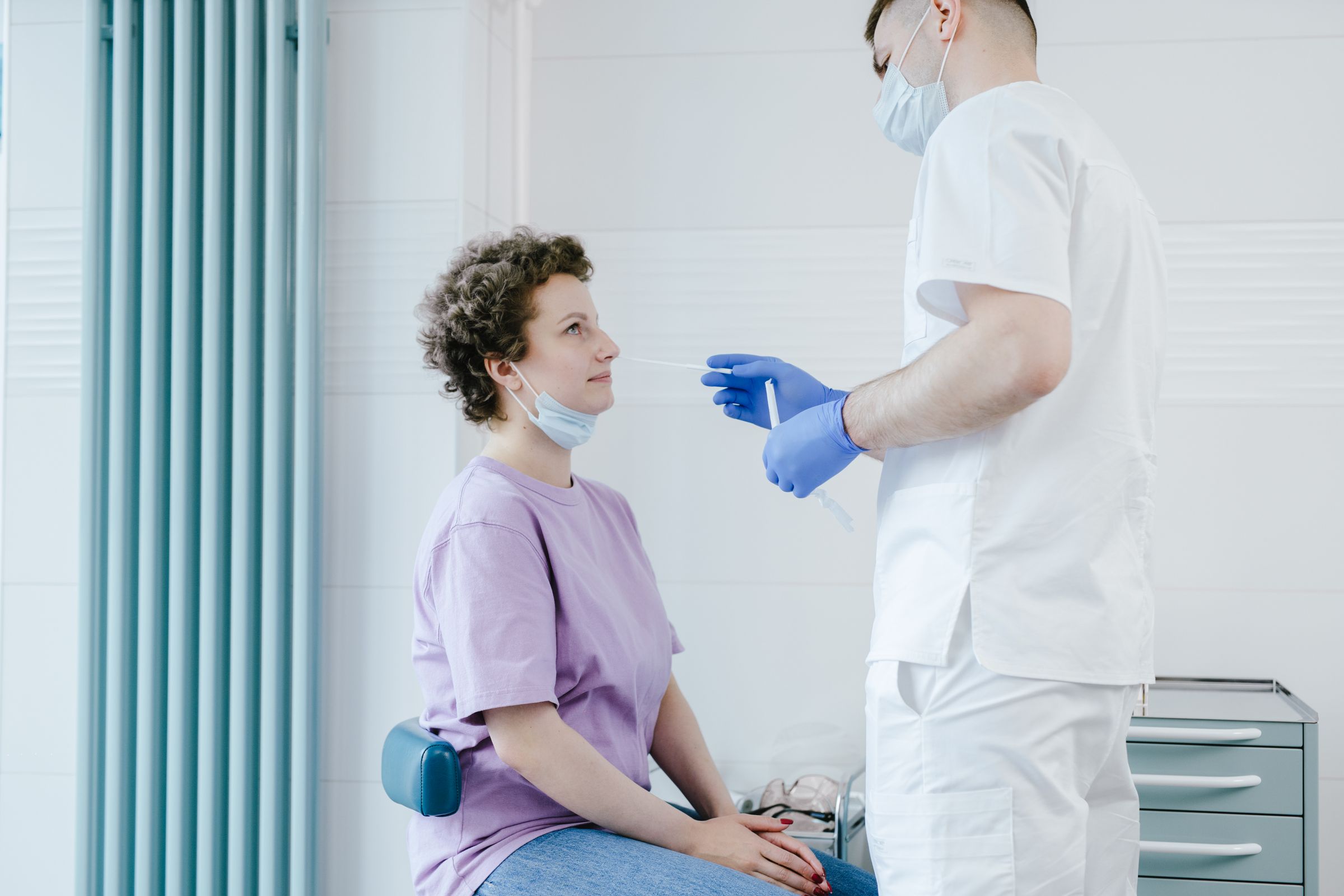
People who take a COVID test in a clinic-style setting may get to a result through a simpler federal pathway. On June 11, 2026, the Food and Drug Administration classified a simple point-of-care device that directly detects SARS-CoV-2 viral targets from clinical specimens in near-patient settings into class II, the agency’s middle device tier.
That matters because FDA says class II still provides a reasonable assurance of safety and effectiveness, but with less regulatory friction than the strictest category. The order is aimed at a test healthcare professionals can use without sending the sample to a central lab, and it comes with special controls identified in the final order that will be codified in 21 CFR part 866.
The guardrails stay
This is not a free pass. FDA says class II is meant to provide a reasonable assurance of safety and effectiveness while still keeping the device subject to special controls, which will be codified in 21 CFR part 866. The device also remains under premarket notification, or 510(k), requirements unless the agency later exempts it.
Those guardrails are built around the risks that matter most to patients: false results, misreading the result and using the device incorrectly. FDA says the required labeling, performance data and specimen-collection rules are meant to keep those problems in check, while the classification is also intended to enhance patient access to beneficial innovative devices by reducing regulatory burdens for medical device makers.
A narrower lane than it looks
The change applies to one narrow device type, not every COVID test on the market. It covers a simple in vitro diagnostic for respiratory specimens in near-patient settings, and FDA says the lower class should help bring beneficial devices to market with less burden.
For patients, the real-world effect is less about paperwork than timing. A clearer route for makers can mean faster access to tests built for places where waiting for a central lab slows down care.
Sources
Synthesized from 10 verified citationsSynthesized by AI linked to original documents.