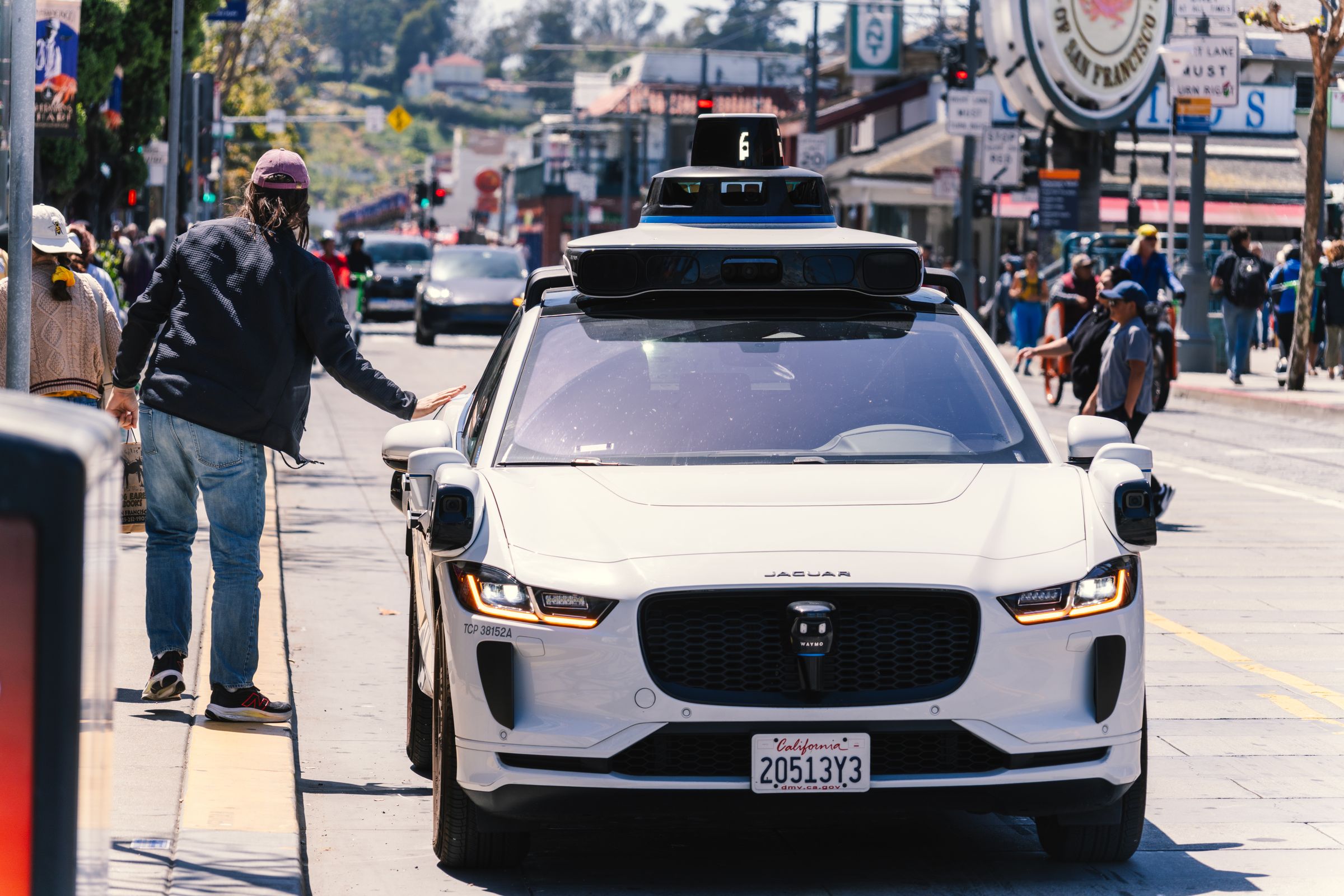
California is moving driverless cars from a basic approval framework toward tighter safety and accountability rules. SB 1246, a bill by Sen. Dave Cortese, would add new requirements for autonomous vehicles operating without a human operator physically present, including an emergency-response phone line that officials can reach when something goes wrong.
The bill lands on top of a system that already requires Department of Motor Vehicles approval before autonomous vehicles can operate on public roads, and it comes as existing law begins imposing separate requirements on vehicles without a human physically present starting July 1, 2026.
A direct line for responders
Under the proposal, manufacturers would have to maintain a dedicated emergency-response telephone line for emergency-response officials. The vehicles themselves would also need a two-way voice communication device, so responders can speak with the vehicle while it is operating.
That matters because a driverless car can leave police, firefighters and other first responders with no obvious person to call or question at the scene. The bill is aimed at closing that gap before confusion turns into delay.
The enforcement hook
SB 1246 also adds Section 13519.16 to the Penal Code and new chapter language to Division 16.6 of the Vehicle Code. In plain terms, it gives the new safety duties something firmer than guidance behind them.
Recorded votes show the bill cleared a floor vote.
Sources
Synthesized from 12 verified citationsSynthesized by AI linked to original documents.