Houses of worship, clergy housing and some religious-school property in Rhode Island would face a tighter tax exemption under a proposal that rewrites Section 44-3-3, the state law listing property that stays off the tax rolls. The bill keeps the basic exemption in place, but it redraws the boundary around the land that can go with it.
That matters because property-tax exemptions are not just legal labels. They decide what local governments can collect, and whether a parcel that had been sheltered from tax bills stays that way once its use or size no longer fits the rule.
Where the line moves
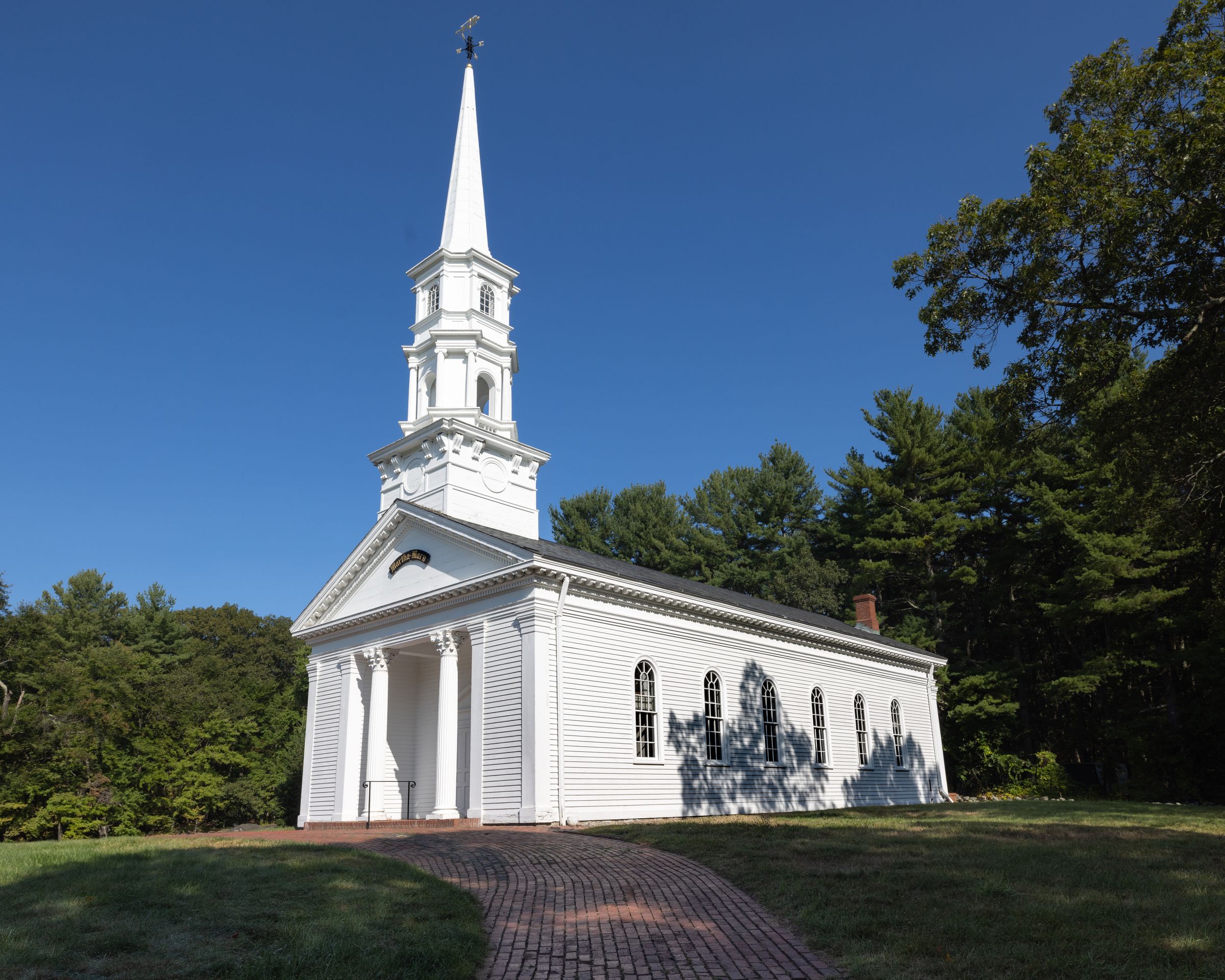
The bill keeps state property, federal property, certain securities, military property, public school buildings and buildings for religious worship on the exemption list. For worship buildings, the land immediately surrounding them would still be exempt, but only up to five acres and only so long as the buildings and land are used exclusively for religious or educational purposes.
A separate exemption for dwellings owned by, or held in trust for, a religious organization and actually used by officiating clergy would also remain, but with a narrower land limit. The protected parcel would be capped at one acre, or the minimum lot size in that zoning district, whichever is larger. Anything beyond that could fall back onto the tax rolls.
A small local wrinkle with a real tax bill
The text also carves out a special rule for Charlestown, where the clergy-housing language is drawn differently and can cover a convent, nunnery or retreat center used by a religious order. That kind of detail is the difference between a parcel staying exempt and a town assessor sending out a bill.
For municipalities, the change could widen the taxable base. For religious organizations, it means land that once sat comfortably inside a broader exemption would have to fit a tighter, more exact outline.
Sources
Synthesized from 11 verified citationsSynthesized by AI linked to original documents.