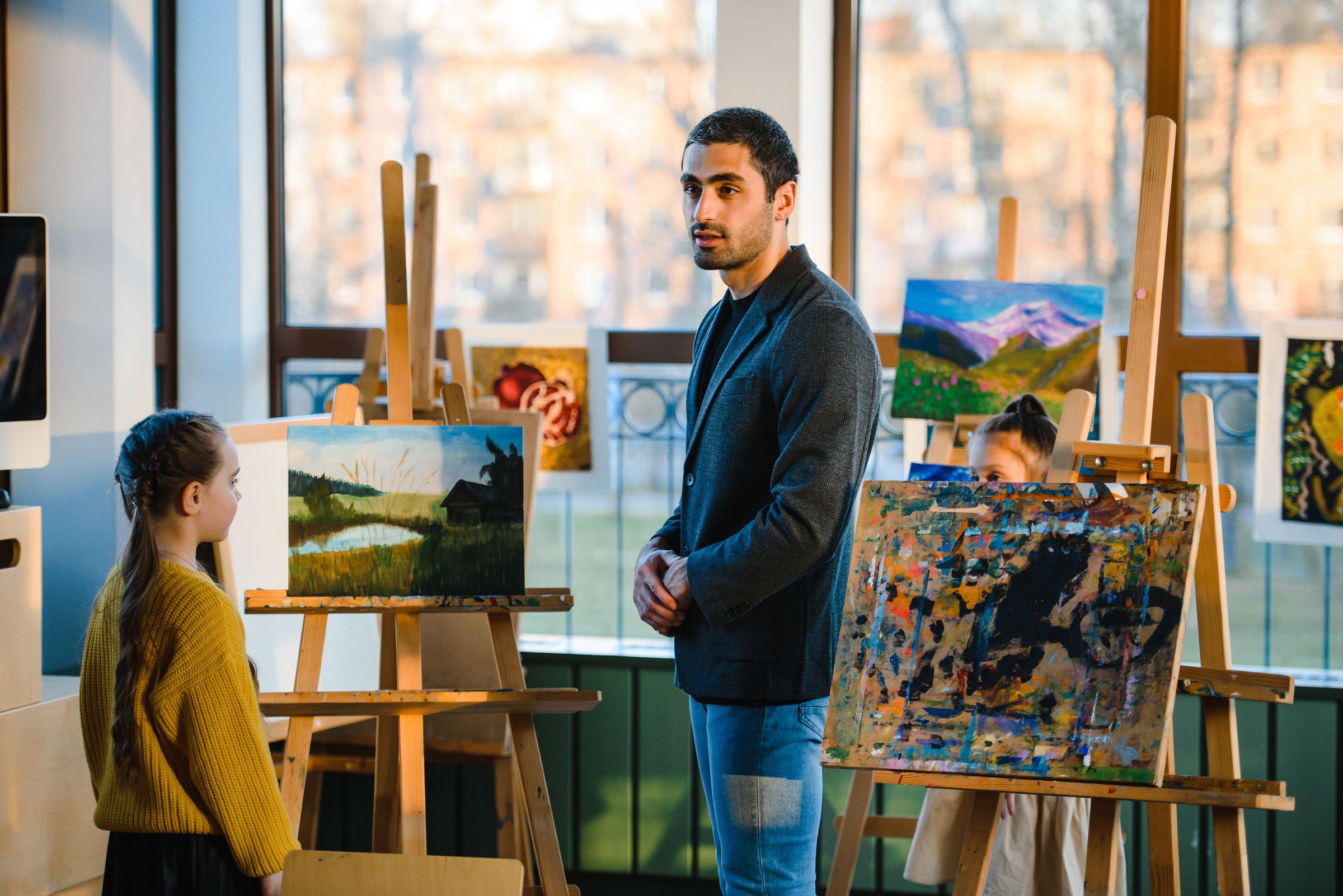
Hawaii lawmakers would send general revenue for fiscal year 2026-2027 to the State Foundation on Culture and the Arts, keeping the Artists in the Schools program alive in public and public charter classrooms. The money would help bring professional artists into the school day to teach students directly.
The bill treats that as core school business, not a nice-to-have. It says the program delivers meaningful arts learning by putting artists in classrooms where students already are, instead of asking families to find those opportunities on their own.
What the classrooms get
The funding is meant to keep the Artists in the Schools program running as a direct arts experience for students across the public school system. The bill says the program reaches underserved students, which matters in a state where access to steady arts instruction can depend on a school’s budget, staffing and location.
That classroom model also changes who is doing the teaching. Rather than relying only on a standard curriculum, the program brings in working artists to help students learn through making, performing and creating. The bill’s authors say that kind of exposure gives young people a more immediate connection to arts education.
More than an enrichment add-on
The findings tie arts learning to student engagement, academic success and whole-child development. They also link it to cultural literacy and community engagement, framing the program as something that helps schools build both skills and belonging.
The bill says the broader payoff includes creativity, critical thinking and collaboration, qualities it describes as useful for future workforce success and engaged citizenship. That is the bet behind the funding: arts class can be part of how students stay connected to school, not separate from it.
Sources
Synthesized from 12 verified citationsSynthesized by AI linked to original documents.