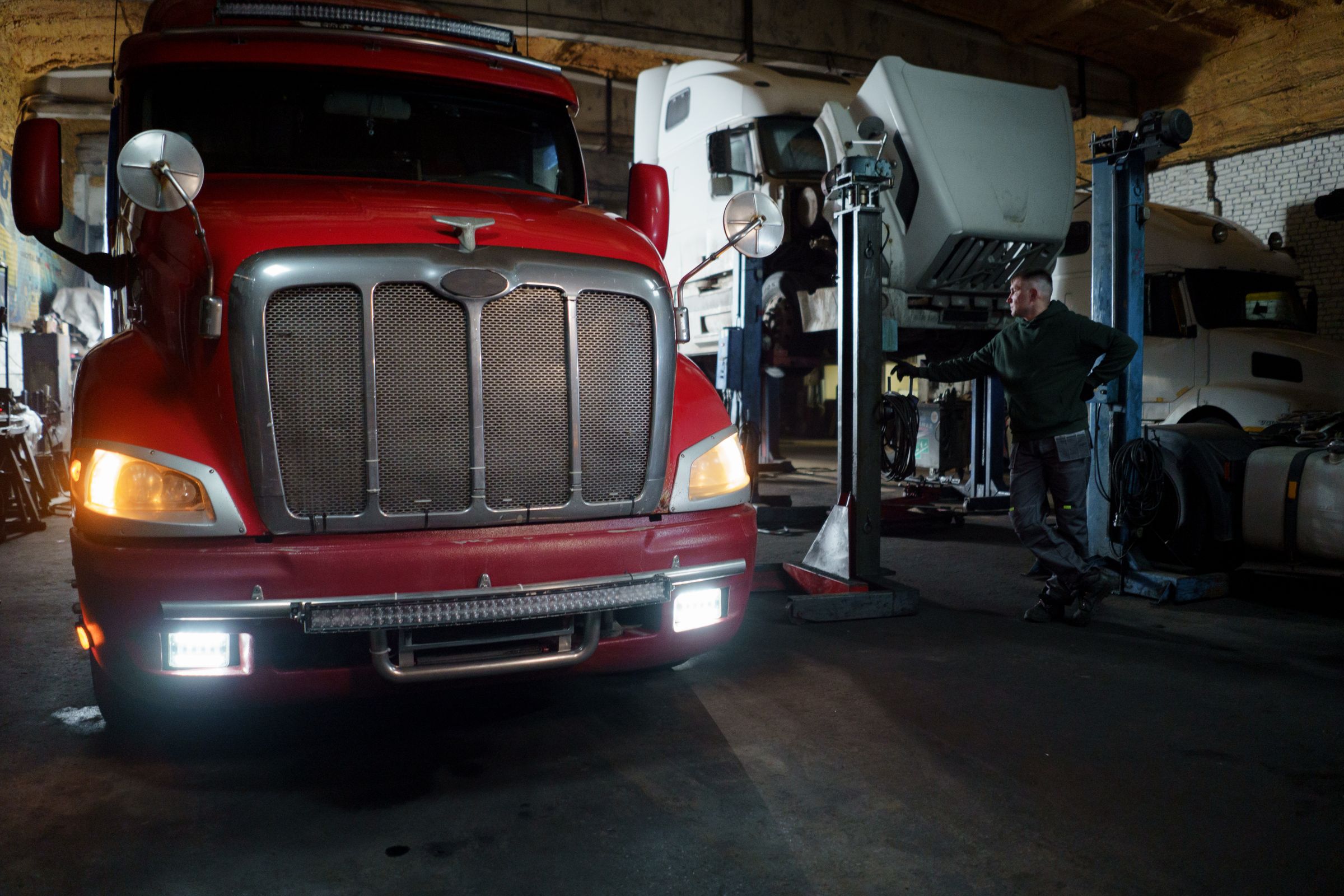
In the federal Senate, Indiana Republican Todd Young and Maryland Democrat Angela Alsobrooks are backing a bill that would repeal the excise tax on heavy trucks and trailers. The proposal would amend the Internal Revenue Code of 1986 and remove a charge that is paid when the equipment is bought.
That matters because trucking is a capital-heavy business. When a fleet replaces a tractor or a one-truck operator buys a trailer, the first check is already a big one. A federal purchase tax makes that first step even harder to absorb.
The cost that lands first
Unlike a tax that shows up later, this one is paid up front. That means it can affect cash flow, financing and the timing of upgrades, not just the final accounting at the end of the year.
A repeal would not change fuel costs, insurance or wages. It would change the size of the payment written at the dealership or through the dealer’s finance arm, which could make it easier for buyers to replace older equipment sooner.
Who would feel the break
The clearest beneficiaries would be fleets and owner-operators buying new heavy trucks or trailers. If the upfront price falls, the decision to replace worn-out equipment or add capacity gets a little less punishing.
Manufacturers could also feel the effect if lower purchase-time costs encourage more orders. For buyers and builders alike, the bill is about one thing: how much of the pain sits at the start of the transaction.
Sources
Synthesized from 7 verified citationsSynthesized by AI linked to original documents.