New York lawmakers are trying to stop a pollution problem most people never see: the tiny fibers released in the wash that can move through wastewater and into waterways. The proposal adds a new Title 23 to the state’s environmental conservation law for washing machine microfiber filtration, and it would have the state write performance and testing standards by Jan. 1, 2029.
The reach is broader than appliance makers alone. The bill treats consumers as ordinary households, schools, businesses and government bodies, while also drawing in hotels, hospitals, restaurants, gyms, retail laundries and facilities with four or more washing machines used for a commercial institution.
A rulebook, then a compliance clock
The Department of Environmental Conservation would have to build the measuring stick first. Working with a new microfiber filtration advisory board, it would set the performance and testing standards that show how much fiber a system has to remove, and it could update those standards at least every three years.
After that, the market would start moving on a deadline. Producers would have to submit plans by Jan. 1, 2031, showing how their machines will meet the new requirements. Beginning that same year, a producer could not sell or offer a washer in New York without a submitted plan, and by Jan. 1, 2032, that plan would need state approval.
The burden reaches the laundry room
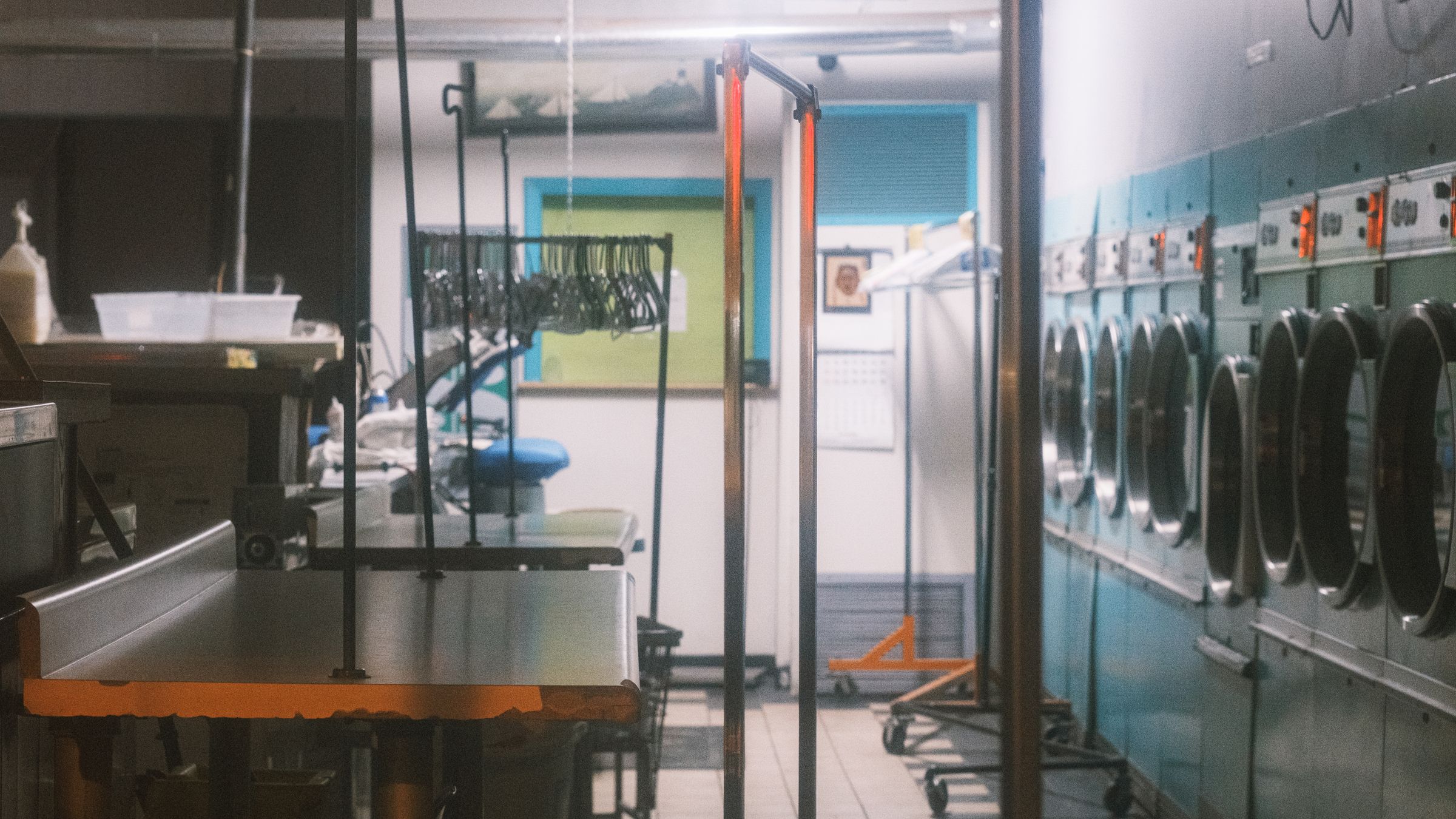
Retailers would also get duties under the new title, so the responsibility would not stop at the factory door. Commercial laundry services would have to use microfiber filtration systems on all machines by Jan. 1, 2032, and those systems could be built into the machine, installed separately or used together.
The bill also creates enforcement tools, civil penalties and rulemaking authority, plus a requirement that producers pay for testing, verification and auditing and keep records for three years. In cities of 1 million people or more, local officials would share enforcement authority over the commercial-laundry rule.
Sources
Synthesized from 12 verified citationsSynthesized by AI linked to original documents.