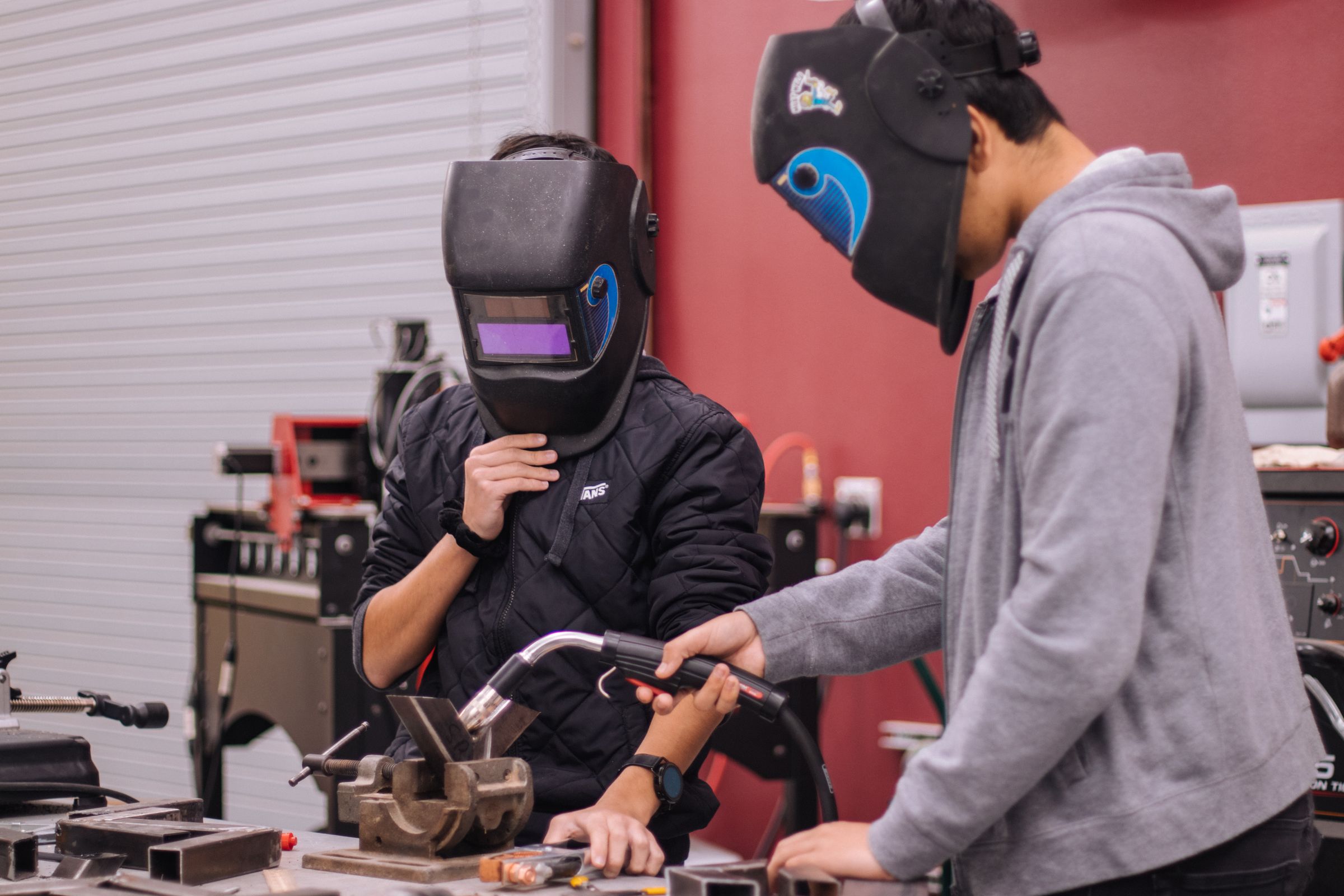
The House Labor-HHS-Education spending bill would keep $2,601,912,000 plus reimbursements flowing to Workforce Innovation and Opportunity Act, or WIOA, and National Apprenticeship Act activities, preserving a major federal pool for people trying to retrain, earn credentials or move into steadier work. Inside that larger account, lawmakers also set aside $75 million for developing, offering or improving educational and career training programs at community colleges, a more concrete path for workers who need a lower-cost on-ramp to new skills.
Where the money lands
The money sits in the Employment and Training Administration’s Training and Employment Services account, which matters because that is where the federal government helps pay for training people actually use when they are changing jobs or trying to get back into the labor market. The community-college slice points to public institutions of higher education that can be more accessible and locally rooted than longer, costlier routes.
A narrower lane for real-world access
The broader spending level keeps the training system funded at a scale large enough to matter for workforce pipelines, while the community-college set-aside suggests where lawmakers want that access to widen. In H.R. 9260, the fiscal 2027 Labor-HHS-Education spending measure reported June 11, 2026, Representative Robert B. Aderholt and his colleagues put the core system in place even as they carve out a more targeted lane for colleges.
For job seekers and adult learners, that could shape which programs exist and how easy they are to reach in practice. The bill also backs the WIOA side with $880,078,000 for subtitle C activities, including federal administrative expenses and training-center needs, underscoring that the larger structure remains intact while the college line points to where expansion may be most visible on the ground.
Sources
Synthesized from 8 verified citationsSynthesized by AI linked to original documents.