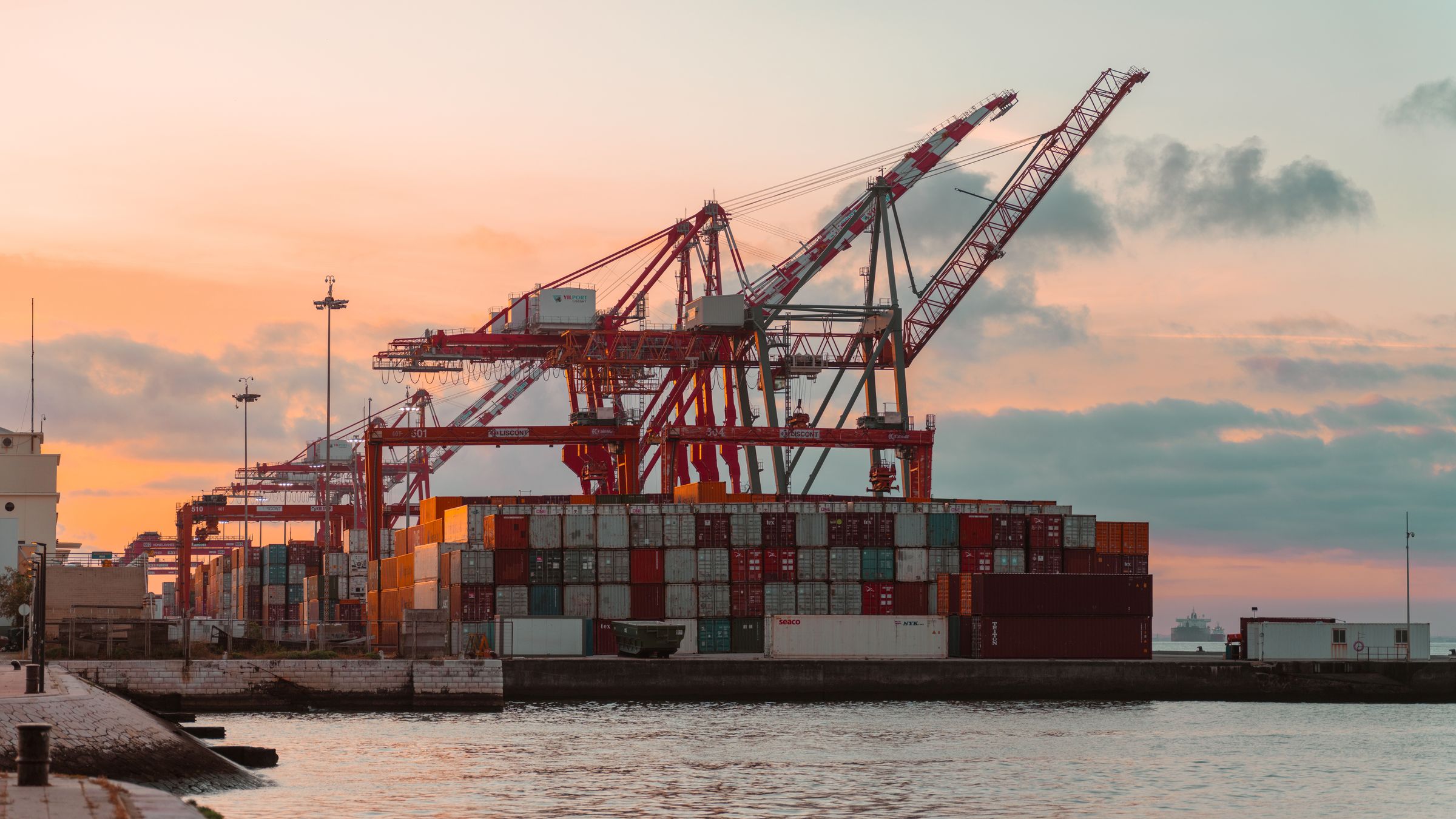
A federal proposal from Wisconsin Rep. Scott Fitzgerald would make Belt and Road, China’s sprawling infrastructure and lending push, a security question for the United States government. The House bill says policymakers should assess how the People’s Republic of China and the Chinese Communist Party are using the initiative to undermine the U.S.-led international order, then lay out a detailed strategy for how Washington intends to counter it.
For people outside the policy world, that matters because Belt and Road is not treated here as a neutral development program. The bill casts it as a tool of state power, the kind that can reshape influence well beyond any single road, port or loan.
A required response, not just a warning
The measure goes beyond asking for a threat assessment. It would also require the U.S. government to explain what it plans to do about the problem, turning the issue into a formal policy exercise instead of a talking point.
Fitzgerald introduced the bill in the House on June 2 with Rep. Zachary Nunn of Iowa as cosponsor. It was referred to the House Foreign Affairs Committee the same day.
Why the framing matters
The language in the bill is striking because it ties Belt and Road directly to the phrase “United States-led international world order.” That puts the argument squarely in the arena of global influence, where loans, infrastructure and diplomacy are all part of the same competition.
The proposal does not spell out sanctions or any specific tools in the text shown here. What it does is force the government to name the stakes and publish its answer, which could shape how future China policy is framed in Washington.
Sources
Synthesized from 11 verified citationsSynthesized by AI linked to original documents.