Public Housing Operations
Housing vouchers get $34 billion in House bill
Representative Steve Womack’s measure also puts $35.5 billion toward renewing expiring Section 8 contracts, so existing help does not drop off when those agreements run out.
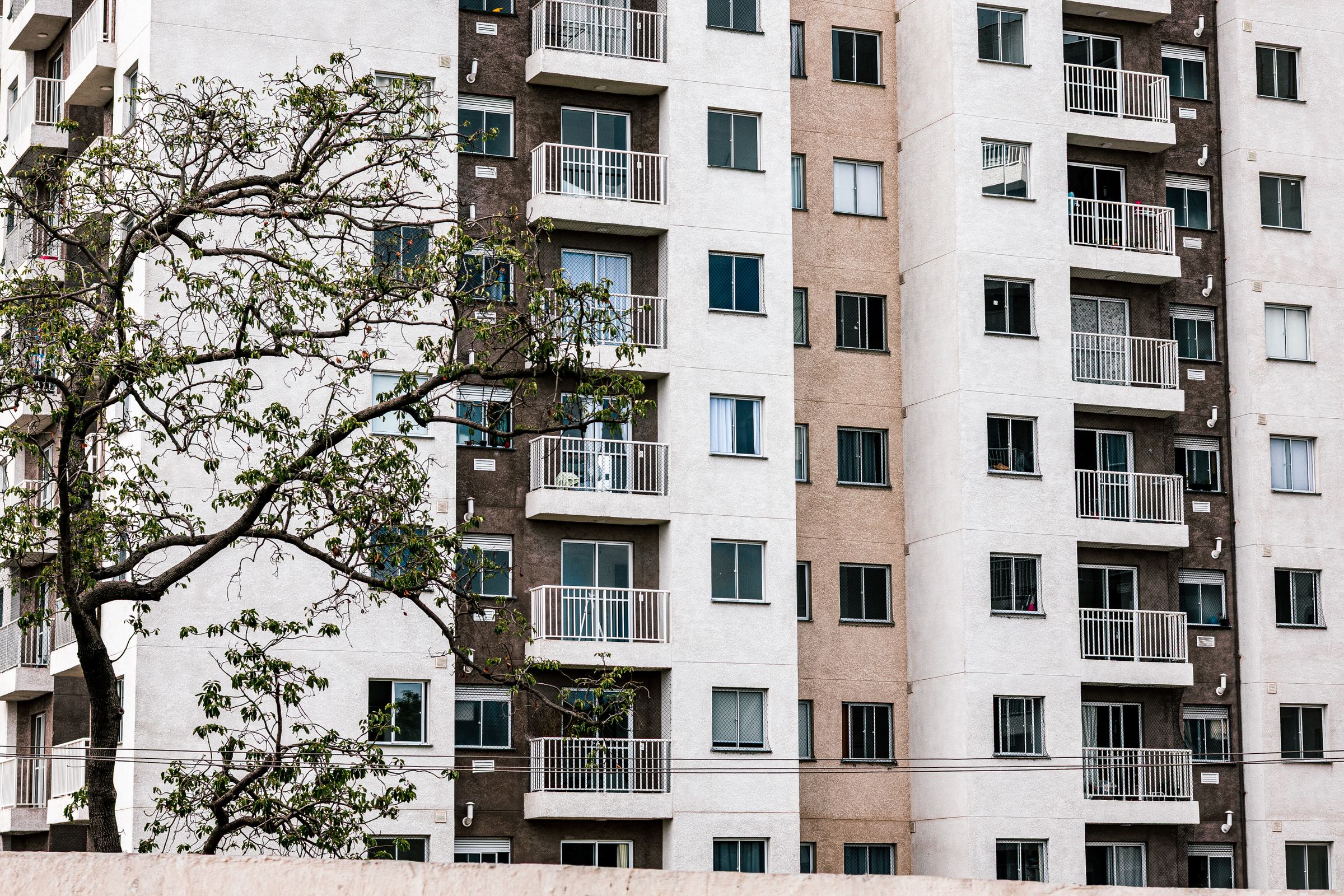
The House appropriations bill written by Representative Steve Womack would keep major HUD rental aid accounts well funded. It also sets aside $7.07 billion for public housing operations, management and capital work.
- $34,083,000,000 would go to tenant-based rental assistance.
- $35,453,000,000 would renew expiring Section 8 tenant-based contracts.
- $7,068,650,000 is set aside for public housing agencies.
- The tenant-based aid account would stay available until spent.
- The bill focuses on keeping existing housing help from lapsing.
In a federal housing spending bill, the House would keep two of the Department of Housing and Urban Development’s biggest rental aid accounts well stocked. Representative Steve Womack, an Arkansas Republican, wrote the measure. It sets aside $34,083,000,000 for tenant-based rental assistance and $35,453,000,000 for renewals of expiring Section 8 tenant-based annual contributions contracts.
For renters who rely on federal help to cover part of the rent, those accounts matter in different ways. Tenant-based rental assistance helps eligible households pay rent in the private market. The renewal money keeps existing Section 8 commitments from dropping away when contracts expire.
Two rental aid accounts, two jobs
The tenant-based rental assistance account is written to remain available until spent. That gives housing administrators more flexibility than a one-year deadline would. It can help them keep payments moving as obligations come due through the year.
The renewal account is a backstop for existing contracts. When a Section 8 tenant-based agreement expires, that money is what allows the subsidy to continue instead of ending with the contract. The bill is aimed at continuity, not a one-time burst of aid.
Public housing also gets support
The bill also sets aside $7,068,650,000 for public housing agencies. That money would pay for public housing operations and management, along with capital and management activities.
For local housing agencies, the main question is whether the dollars keep coming in on time. The proposal does not change who qualifies for help. It shows where the pressure sits instead, on steady funding for the housing aid that many low-income renters already depend on.