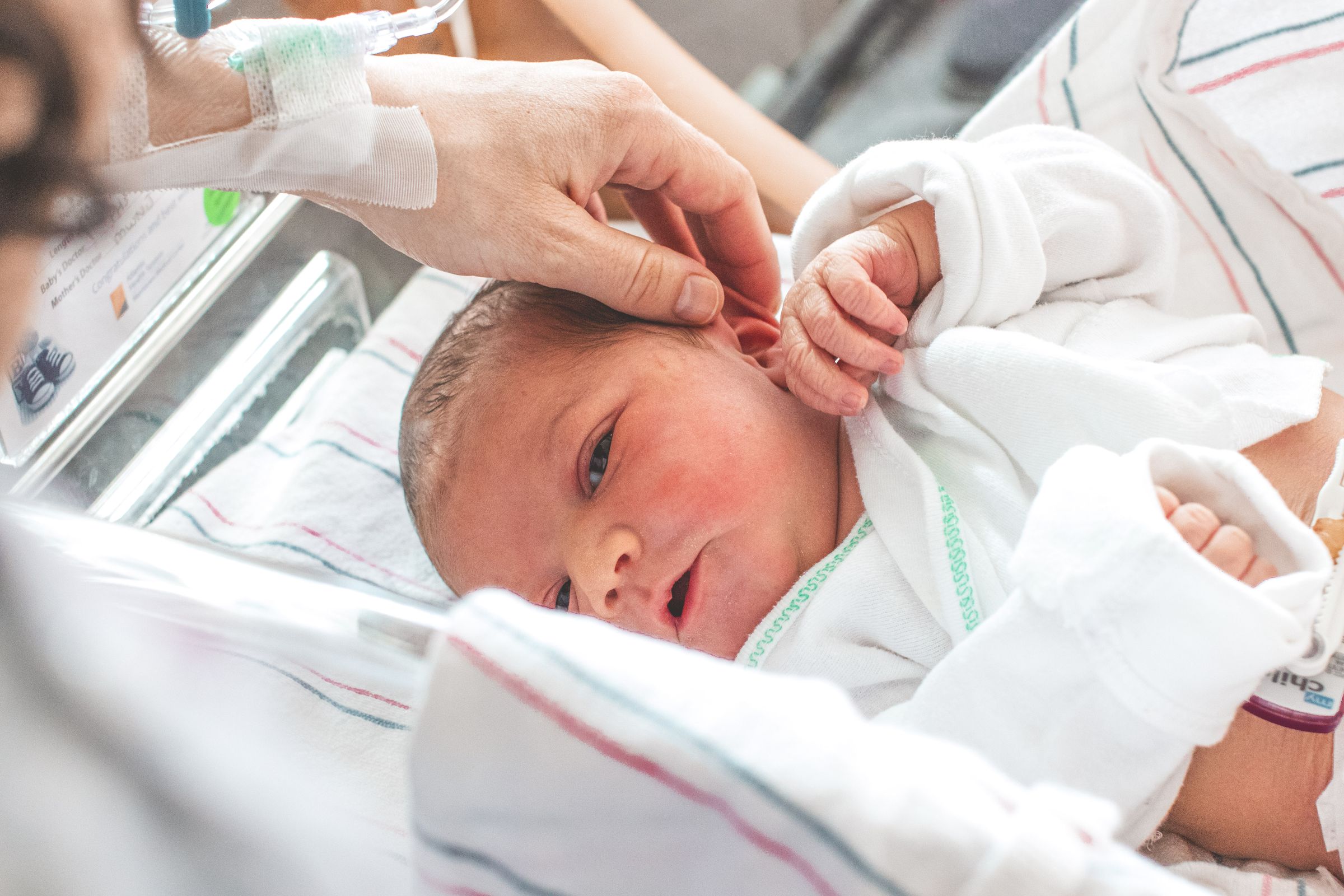
In California, a parent in crisis would get a much wider runway before a baby becomes too old for the state’s safe-surrender protection. AB 1628 would extend the limit from 72 hours to 30 days, letting a parent or other lawful custodian hand an infant to a designated safe-surrender site without facing child-abandonment charges.
The measure is built for the kind of moment when panic, fear or instability can turn dangerous fast. It keeps the legal shield in place, but gives families more time to reach a hospital, fire station or other approved site before a desperate choice becomes an irreversible one.
The handoff stays the same
The bill does not remake the basic system. Safe-surrender sites would still be designated by county supervisors, local fire agencies, or public and private hospitals, and personnel on duty would still have to accept physical custody of the child.
Those sites would also still have to notify child welfare services within 48 hours. The draft legislation also keeps the existing paperwork and medical steps attached to the process, so the child can move quickly into the county system after the surrender.
A longer window for a shorter crisis
The practical change is simple: more parents would have a legal way to act before a baby is left in danger. Thirty days is a longer, more realistic emergency window than 72 hours, especially for families facing fear, chaos or sudden upheaval.
The bill, called the Keeping Infants from Danger Act, also carries a state-mandated local program. That means local agencies would be responsible for carrying out the expanded rules if the proposal becomes law.
Sources
Synthesized from 9 verified citationsSynthesized by AI linked to original documents.