government
Iran deal leaves sanctions and nuclear limits unsettled
President Trump says an agreement is complete, but no public text has been released. Congress still has a formal review role before any sanctions relief can move ahead.
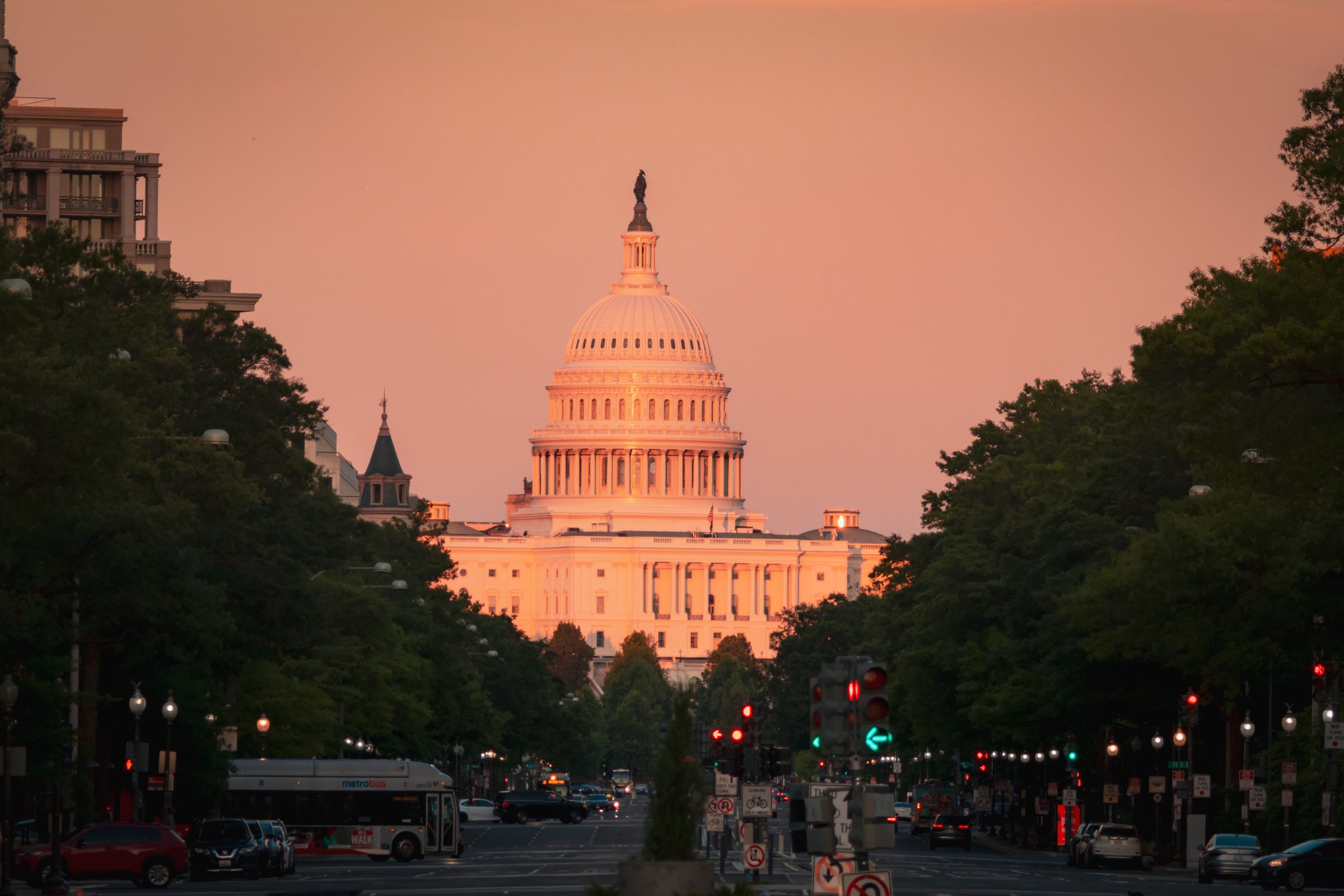
President Trump says a deal with Iran is done, but the details are still hidden. That keeps sanctions relief, nuclear limits and Congress’s review power in play.
- No agreed text has been released publicly.
- Reports point to 60 more days of talks on Iran’s nuclear program and U.S. sanctions.
- Congress still has oversight authority under INARA.
- Earlier Iran talks were interrupted by military action.
- The deal unfolds amid conflict in Lebanon, the Strait of Hormuz and Iranian shipping.
President Trump said a deal with the Islamic Republic of Iran is now complete, but the most important details are still out of view. No mutually agreed-upon text has been publicly released as of June 17, 2026, and the reported framework points to 60 days of further negotiations over Iran’s nuclear program and U.S. sanctions. Until those terms are public, the announcement is better understood as the start of a new policy fight than the end of one.
Congress still has a say
That fight does not happen in a vacuum. The Iran Nuclear Agreement Review Act gives Congress oversight authority over potential agreements related to Iran’s nuclear program, which means lawmakers still have a formal role even after a White House announcement. Because the United States and Iran do not maintain diplomatic relations, any deal reached after months of engagement lands in an unusually fraught setting. The lack of public text also leaves open questions about what exactly is being reviewed.
A fragile backdrop
The talks are unfolding against a tense regional backdrop, not a calm diplomatic one. Earlier negotiations were interrupted by U.S. and/or Israeli military action against Iran in June 2025 and February 2026, and the broader environment still includes conflict involving Israel and Hezbollah in Lebanon, the Strait of Hormuz and Iranian shipping.
That makes follow-on diplomacy harder and raises the stakes for businesses, security planners and U.S. foreign policy officials watching what comes next. With Washington and Tehran still lacking diplomatic relations, even basic communication remains difficult, and the path from an announced deal to a durable agreement is still uncertain.