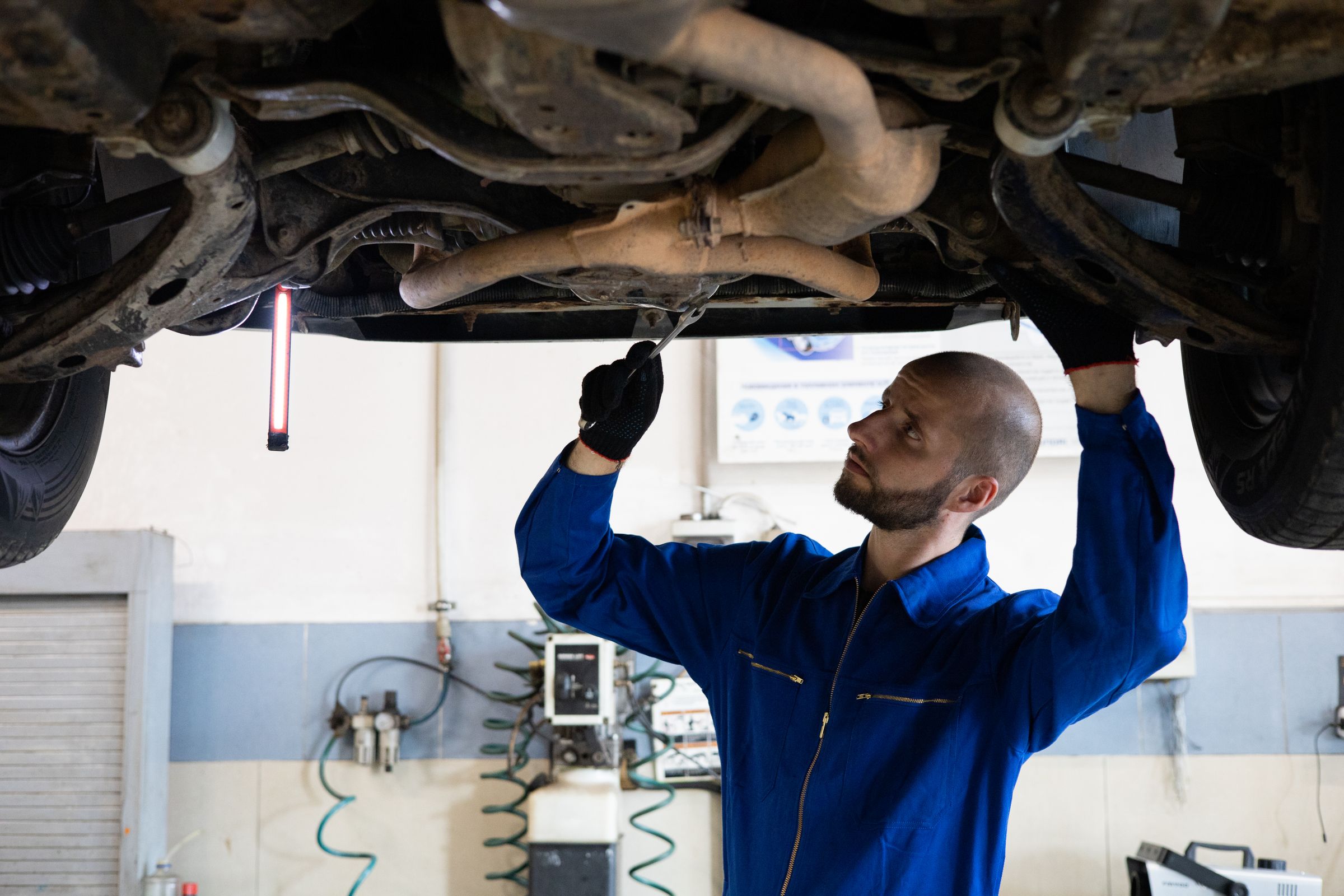
In New Jersey, the pitch is simple: keep older cars on the road a little longer while making the tailpipe cleaner. The bill would let drivers, repair shops, nonprofits and other organizations seek state help to buy and install supplemental catalytic converters on gasoline vehicles from model year 2000 or later.
The device is meant to work as a second layer after the original catalytic converter. If the bill becomes law, it would take effect immediately.
The standard the device has to clear
The converter would have to be verified by the U.S. Environmental Protection Agency, last at least 200,000 miles and still cut nitrogen oxides, or NOx, by 85 percent, carbon monoxide by 70 percent and volatile organic compounds, or VOCs, by 55 percent after that mileage.
The Transportation Department could finance the grants with highway, congestion-mitigation and state climate money, and it would have to file annual reports on who applied, who got awards and how much money went out. Larger grants could go to private companies and nonprofit groups that want to put the devices in more cars across a neighborhood or region.
Sources
Synthesized from 8 verified citationsSynthesized by AI linked to original documents.