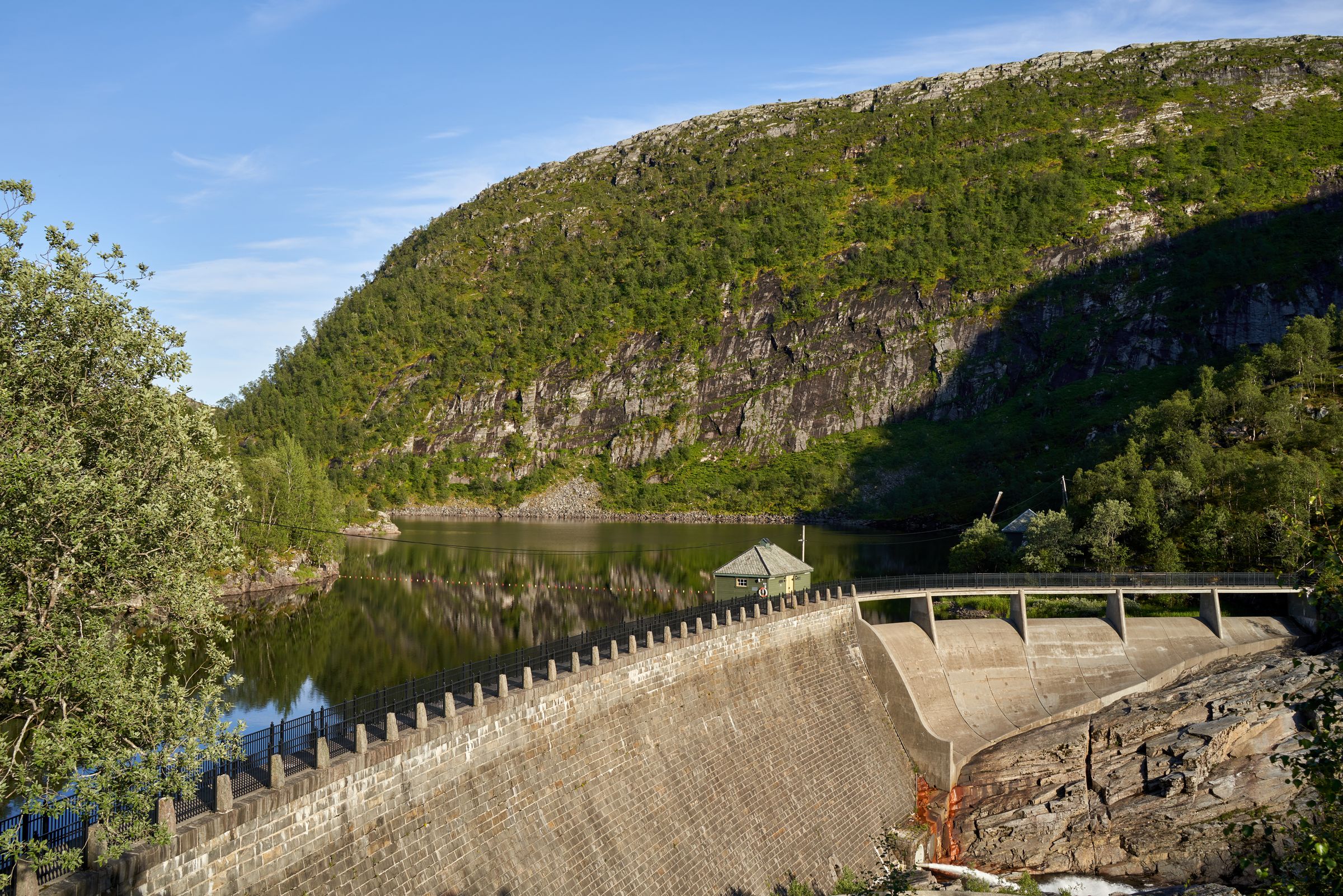
New Jersey home sellers would have to tell buyers if a dam sits on the property before a contract is signed. The Senate bill would also spell out what they must disclose about the dam’s condition and any responsibilities a buyer could inherit.
The law takes effect immediately, but the new disclosure requirements for sales and exchanges do not begin until the revised statement is published and 90 days have passed.
What buyers will be told
The disclosure is not just a yes-or-no box. The revised form will ask whether a dam is wholly or partly on the property, what its hazard classification is, what the most recent inspection showed if current law requires one, and what duties a purchaser would take on under state law.
The Division of Consumer Affairs will add the new section, called "Disclosure of Dam Ownership," with help from the Department of Environmental Protection, the Department of Community Affairs and the New Jersey Real Estate Commission.
Why the question matters
A dam can come with inspection, maintenance and safety responsibilities that do not show up in a walk-through. Putting that information on the disclosure statement gives buyers a clearer picture before they commit to the deal.
The state can also make the revised disclosure available on its website before final rulemaking is finished, so agents and sellers do not have to wait for the whole process to catch up with the law.
Sources
Synthesized from 11 verified citationsSynthesized by AI linked to original documents.