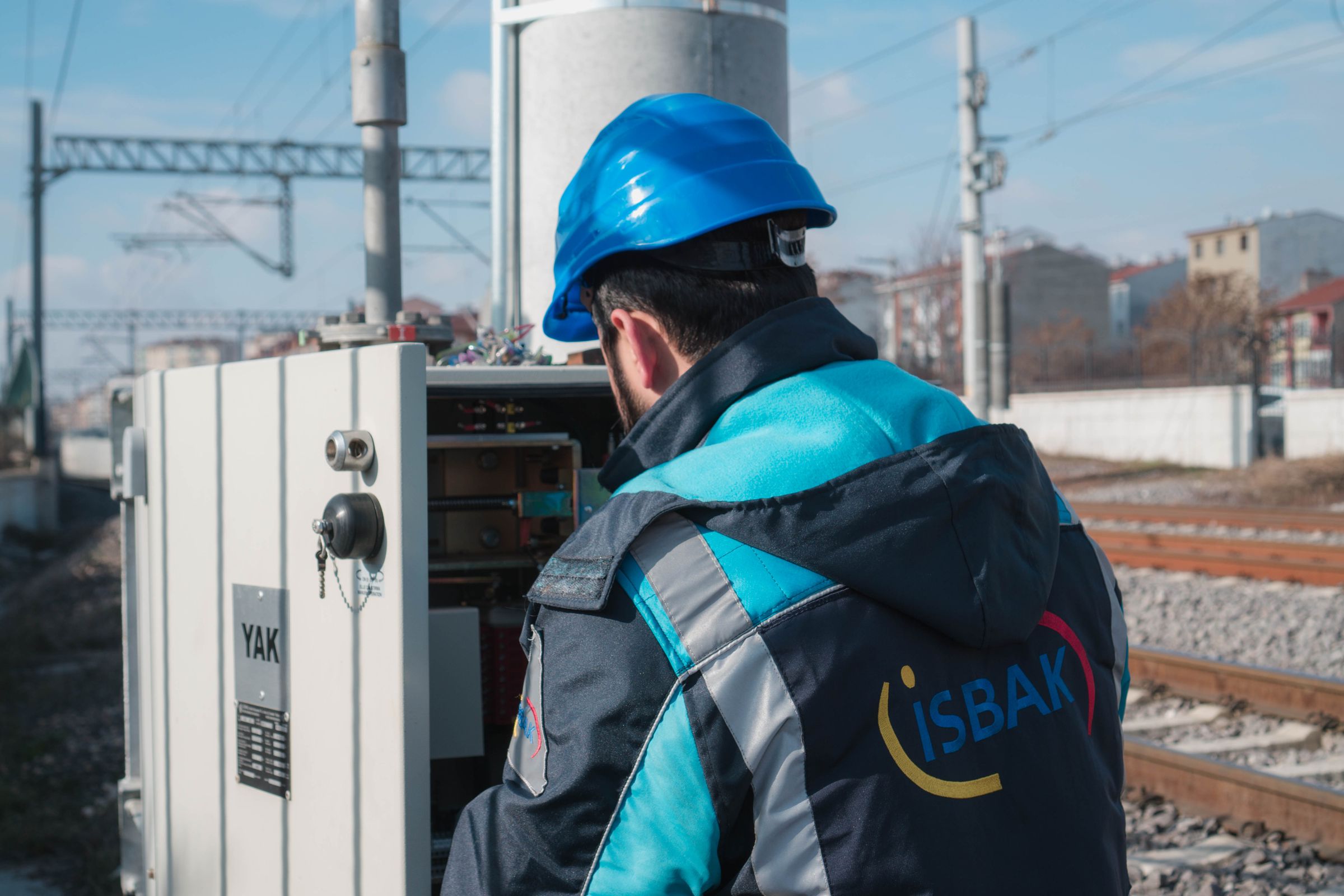
In New Jersey, some New Jersey Transit Corporation employees, or NJT workers, could get a different path to the electrical contractor's license exam under a bill from Assemblyman Kenyatta Stewart. The proposal would let certain employees rely on transit electrical work and in-house training instead of the usual apprenticeship program approved by the U.S. Department of Labor.
That matters because the exam is the gate to a license. The bill would turn experience gained on transit systems into qualifying credit, but it would not hand anyone a license automatically. It would only change who can sit for the test.
When transit experience counts
To qualify, an NJT employee would still need five years in electrical construction and installation before applying, including one year as a Class A journeyman electrician. The other four years could come from work performed within the scope of the person's NJT job, along with internal training completed through the agency.
The bill is narrow on purpose. It does not rewrite the licensing system for everyone who works with electricity. It creates an alternate route for a specific workforce, recognizing that some of the same hands-on experience needed in the private sector can also be earned inside a transit agency.
The exam stays the gate
The Board of Examiners of Electrical Contractors would still have to be satisfied that the applicant has the practical experience needed to take the exam. The bill changes the route to eligibility, not the standard the board applies once an application is in front of it.
For workers already keeping transit systems running, the change could make the license path less dependent on a traditional apprenticeship track and more tied to the work they already do every day.
Sources
Synthesized from 11 verified citationsSynthesized by AI linked to original documents.