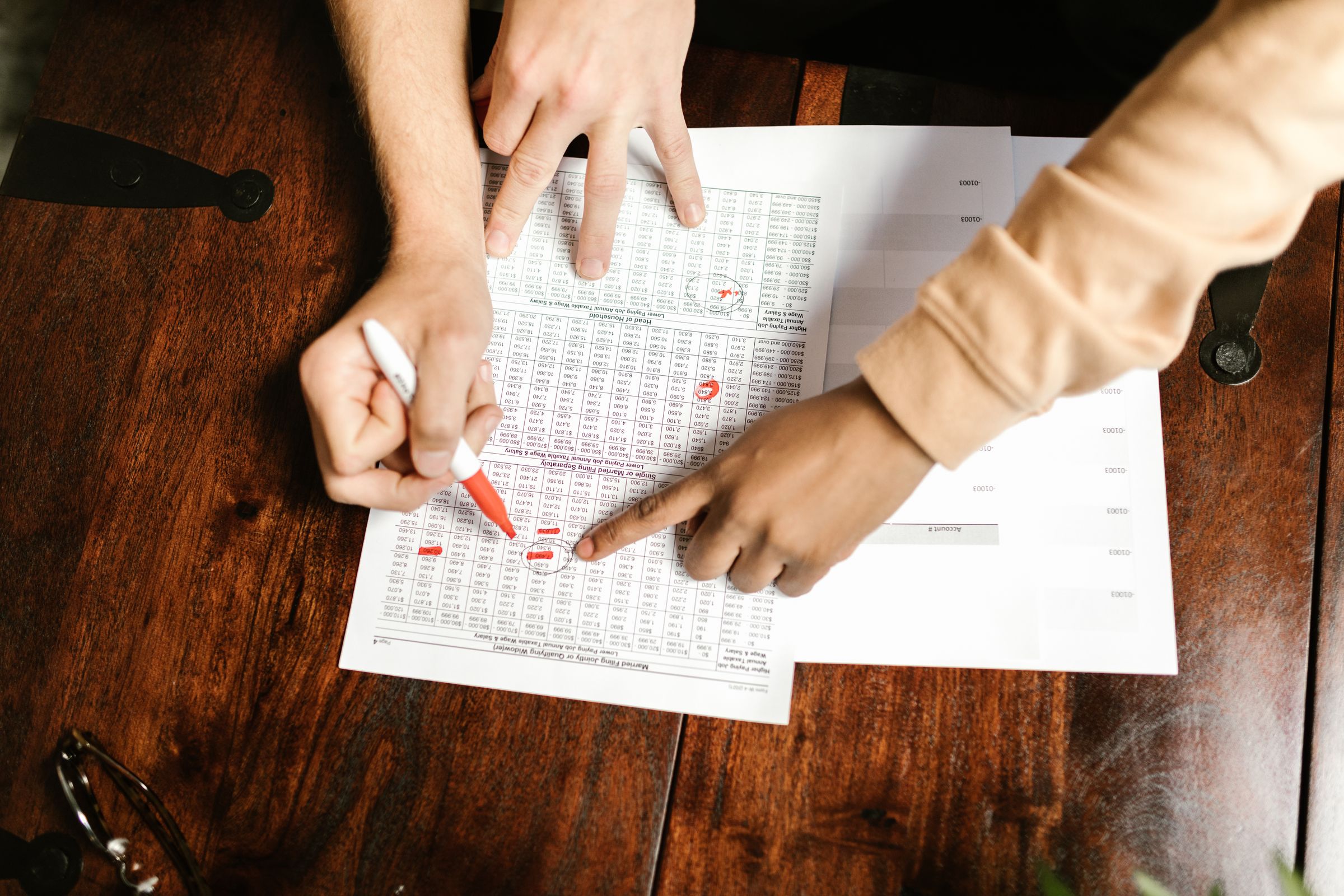
New Jersey lawmakers would require the Department of Education to put the math behind state school aid on public display. The department would have to create, maintain and update a New Jersey Education Funding Portal on its website, turning the calculations that usually end in a district notice into something anyone could inspect.
The portal would show the data inputs and calculations used to formulate State school aid, so residents would not have to take the state’s numbers on faith.
A calculator for the formula
The site would do more than publish a static table. Users would be able to change key district inputs, including enrollment, equalized property values and district income, and see an estimate of how those changes would affect state aid.
That would give school boards, parents and local taxpayers a way to test the formula with their own district in mind. Instead of wondering why a number moved, they could see how the aid estimate responds when the underlying assumptions change.
A district page with the receipts
The portal would also be searchable by school district, so people could go straight to one local system instead of combing through statewide material. Each district page would include preliminary aid notices and recent aid totals, including categorical aid.
That matters because the final aid number is only part of the story. A district page would let users compare the state’s most recent notice with the money that has actually been counted for that community, all in one place.
Why the public window matters
For families, the practical payoff is transparency. School funding decisions can shape class sizes, staffing, programs and local tax bills, but the formulas behind them are hard for most people to follow without help.
This bill would not rewrite the whole school-funding system. It would make the system easier to examine, district by district, so the next question is not just how much aid a community gets, but why.
Sources
Synthesized from 9 verified citationsSynthesized by AI linked to original documents.