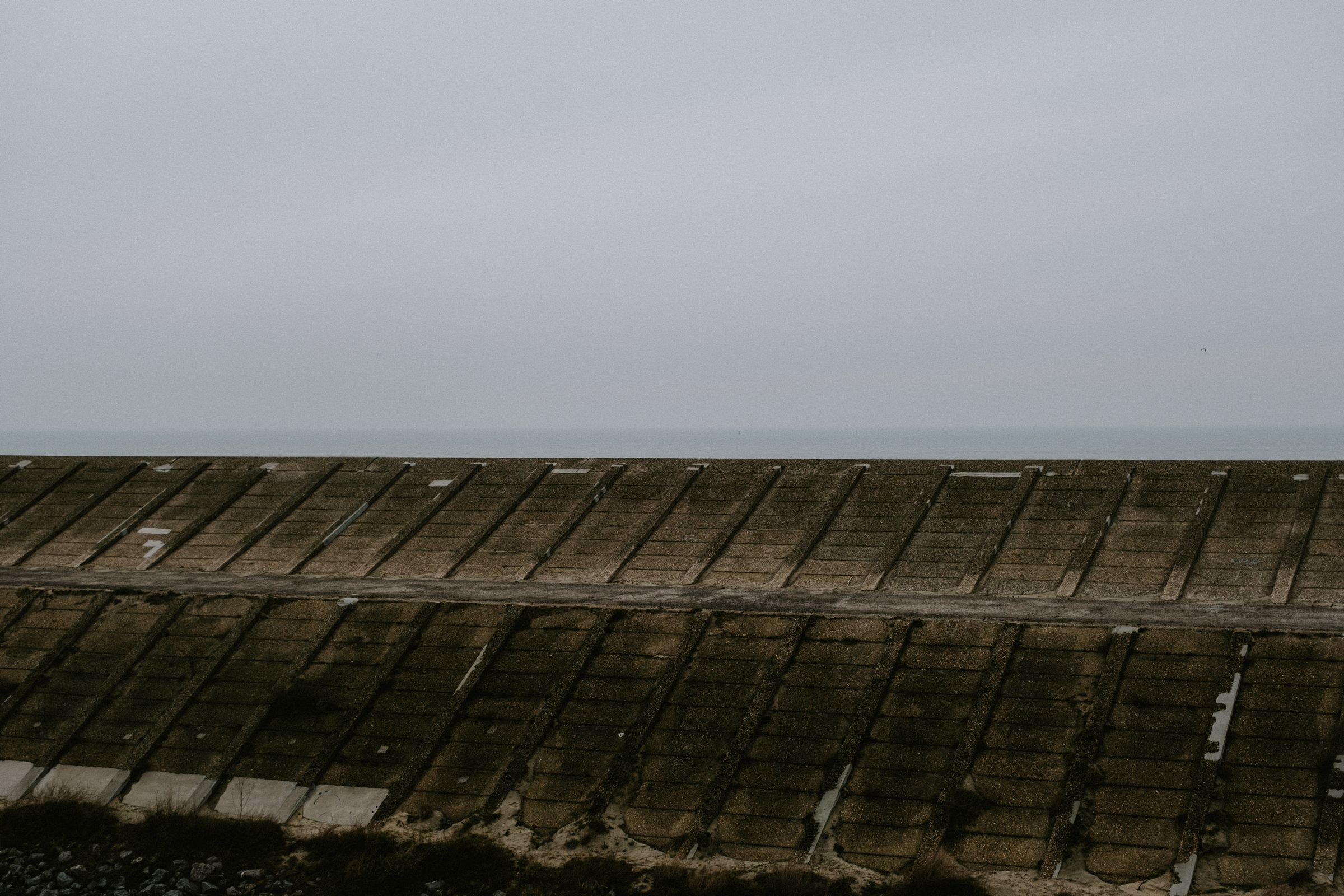
New Jersey residents could get more flood protection, cooling systems and other climate fixes under a bill that would make fossil fuel companies tied to more than 1 billion metric tons of emissions help pay for damage from 1995 through 2024. The Department of Environmental Protection, or DEP, would collect the money and oversee the spending.
The basic idea is simple: if companies helped create the problem, the state says they should help pay to fix it.
The spill-fund logic
The proposal borrows from a familiar state precedent, the New Jersey Spill Compensation Fund. That program rests on the principle that the parties responsible for environmental harm should help finance the cleanup, rather than leaving the public to shoulder the whole cost.
Lawmakers want to apply the same logic to atmospheric pollution, saying decades of peer-reviewed research now make it possible to connect historic greenhouse-gas emissions from fossil fuel extraction to individual companies with high confidence. That is the legal and political backbone of the bill: climate repair should not be treated as a general tax on everyone when the state believes specific companies helped drive the damage.
A bill written around lived damage
The measure says climate change, driven chiefly by the combustion of fossil fuels, is an immediate and grave threat to New Jersey’s communities, environment and economy. It points to harms already visible in the state: rising sea levels, higher average temperatures, more frequent and severe extreme-weather events, flooding, heat waves, toxic algal blooms and other climate-related hazards.
The bill also singles out younger residents, saying they will bear the brunt of those impacts over their lifetimes. To lawmakers backing the proposal, that makes dependable revenue for adaptation more than an accounting question. It is a way to keep the costs of rebuilding from falling entirely on residents who had the least to do with causing the problem.
What still needs to be defined
The broad outline is clear. The details are not. The proposal does not yet answer how wide the payments would reach, how the state would calculate them or which projects would get funded first.
That uncertainty matters because the bill is trying to do something unusual: convert the long-running climate debate into a direct funding mechanism. For coastal and flood-prone communities, the question is whether New Jersey can make the companies it says contributed to the damage help pay for the fixes now needed on the ground.
Sources
Synthesized from 10 verified citationsSynthesized by AI linked to original documents.