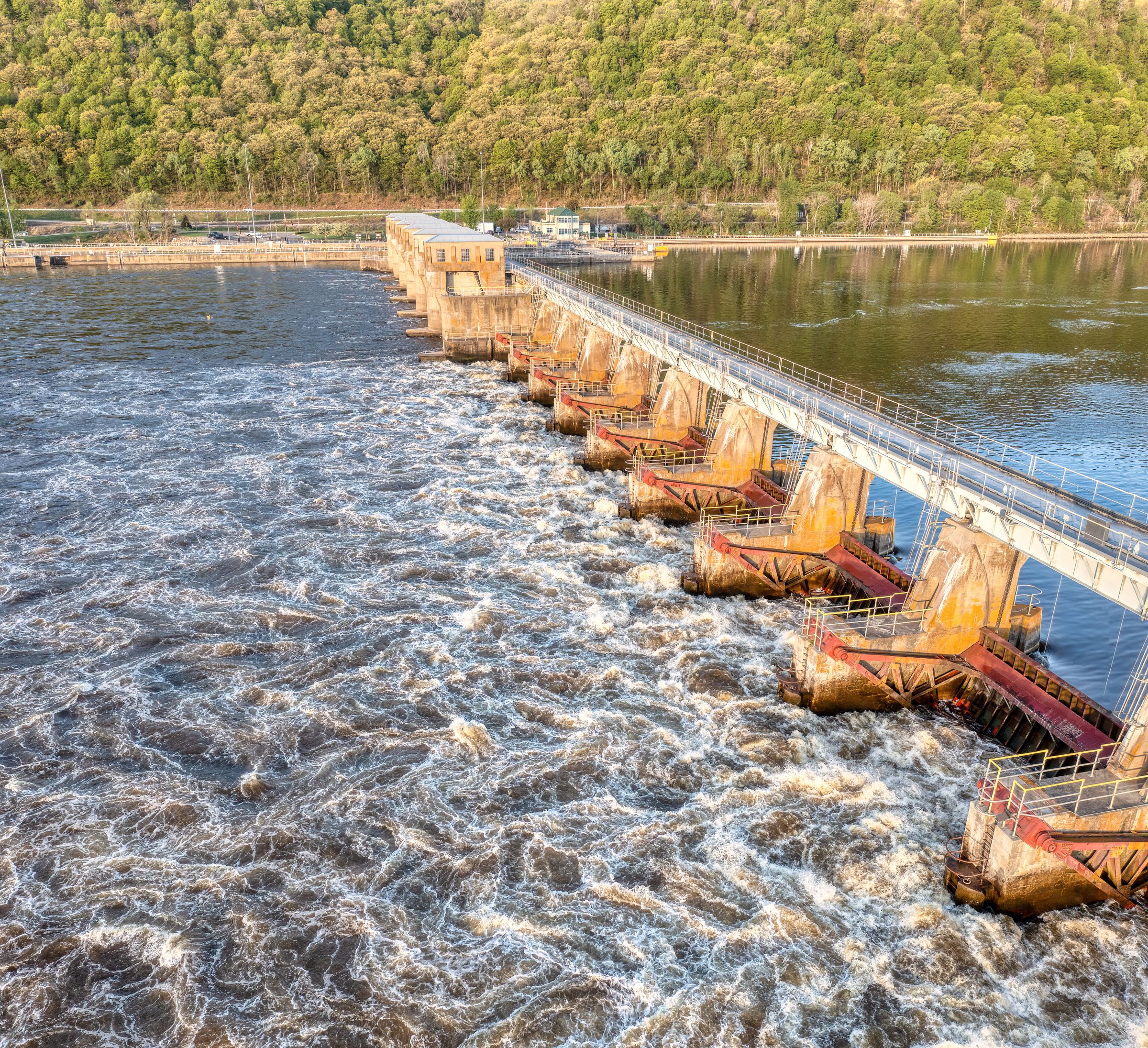
Massachusetts is setting aside $308.1 million for the kinds of projects that only become visible when they fail: dams, flood control and the infrastructure that keeps the coast working. The money is framed as part of a climate change adaptation and resiliency program, with a broad goal of preserving and improving the commonwealth’s environmental and recreation assets.
The package would pay for design, construction, maintenance, repair, removal and improvements of state-owned or abandoned dams identified by the office of dam safety, plus aquatic habitat work, inland flood-control projects and related facilities and equipment. It also reaches the Department of Conservation and Recreation’s coastal and marine infrastructure, which matters in a state where storms and high water can turn public assets into liabilities quickly.
A longer runway for resilience
This is not a one-budget-year repair pot. The sums set out in the bill would stay available until June 30, 2032, so the state would have years, not months, to move projects from planning to construction. That kind of runway matters for work on dams and shoreline infrastructure, where permitting, engineering and sequencing can stretch well beyond a single fiscal cycle.
The spending is also additive. These sums would be in addition to any amounts previously authorized and made available for the same purposes, which means the new money is meant to supplement existing climate-resilience commitments rather than replace them. In practice, that gives Massachusetts more room to keep older structures safe, reduce flood risk and protect the public assets tied to rivers, marshes and the coast.
The pressure points the state is naming
The bill’s language points to a familiar Massachusetts problem: the costs of holding water back, moving it through, or letting it reshape the shoreline can easily outrun routine maintenance budgets. By naming abandoned dams as well as state-owned ones, the package recognizes that old infrastructure does not stop being a risk just because it stopped being useful.
The broader frame is climate adaptation, but the work itself is concrete. When a dam needs repair, when a flood-control project needs rebuilding, or when coastal and marine infrastructure needs reinforcement, the damage is measured in flooded roads, eroded shorelines and public spaces that cannot do their job. This money is meant to keep those systems from failing in plain sight.
Sources
Synthesized from 11 verified citationsSynthesized by AI linked to original documents.