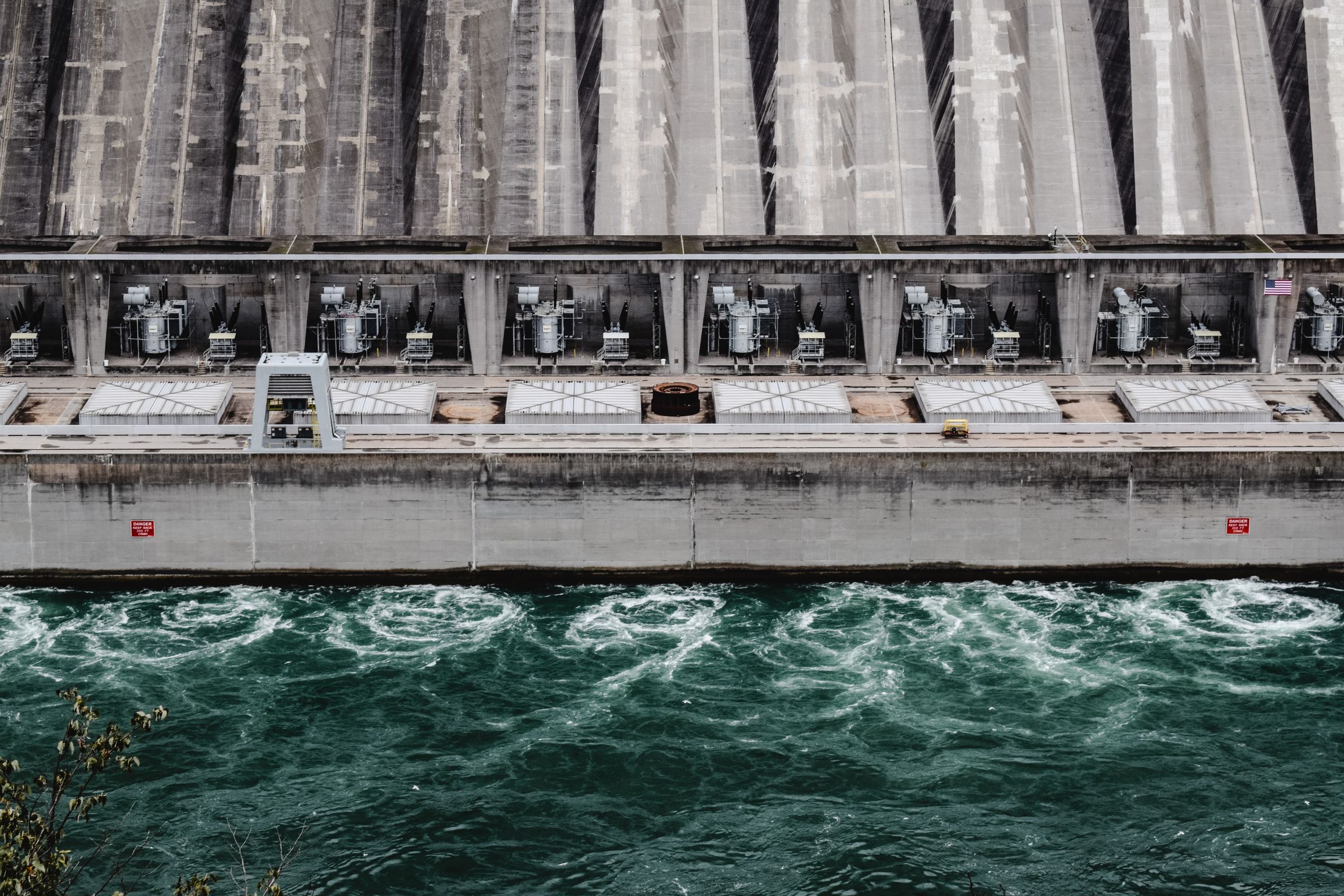
The Federal Energy Regulatory Commission, or FERC, has accepted Millwood Hydro AE, LLC’s preliminary permit application for a hydropower study at Millwood Dam on the Little River in Little River and Hempstead counties, Arkansas. The dam already exists, as do the river and the land around it. What this notice does is much narrower than building power equipment: it opens an early federal lane for studying whether the site could support a hydro project.
A preliminary permit does not authorize construction, digging or any other land-disturbing work. It also does not let the applicant enter property or waters owned by other people without permission. What it can do, if granted, is give the holder priority to file a later license application during the permit term.
A permit to study, not to build
That distinction matters because early-stage energy filings can sound bigger than they are. Here, the practical effect is to reserve a place in line while the applicant looks at feasibility. The federal notice is also an invitation for comments, motions to intervene and competing applications, so the project is not moving forward in a vacuum.
For nearby residents, landowners and water users, that means the river is not being reshaped today. But the filing does put the site into a formal federal process that can attract opposition or alternative ideas before anyone asks for a construction license.
What the project sketches
The proposal calls for a new forebay upstream from the dam, two penstocks, a reinforced-concrete powerhouse with two 9.0-megawatt turbines, a substation and a tailrace area. In plain terms, the plan is to examine whether the existing Corps of Engineers dam could host a new electricity-generating setup.
That kind of study can matter because it turns an old piece of river infrastructure into a question about future use, not just past purpose. The immediate issue is not whether power will be produced, but whether the site can clear the next federal hurdle for a license application.
Why people nearby should care
For communities near Millwood Dam, the notice is a reminder that small-looking federal filings can shape bigger decisions later. A preliminary permit can give one applicant a head start, but it can also draw in competitors and people who want to protect how the river is used.
Nothing in this notice changes the dam today. It does, however, start the kind of review that can determine whether hydropower at Millwood stays an idea on paper or becomes the subject of a full licensing fight later on.
Sources
Synthesized from 16 verified citationsSynthesized by AI linked to original documents.