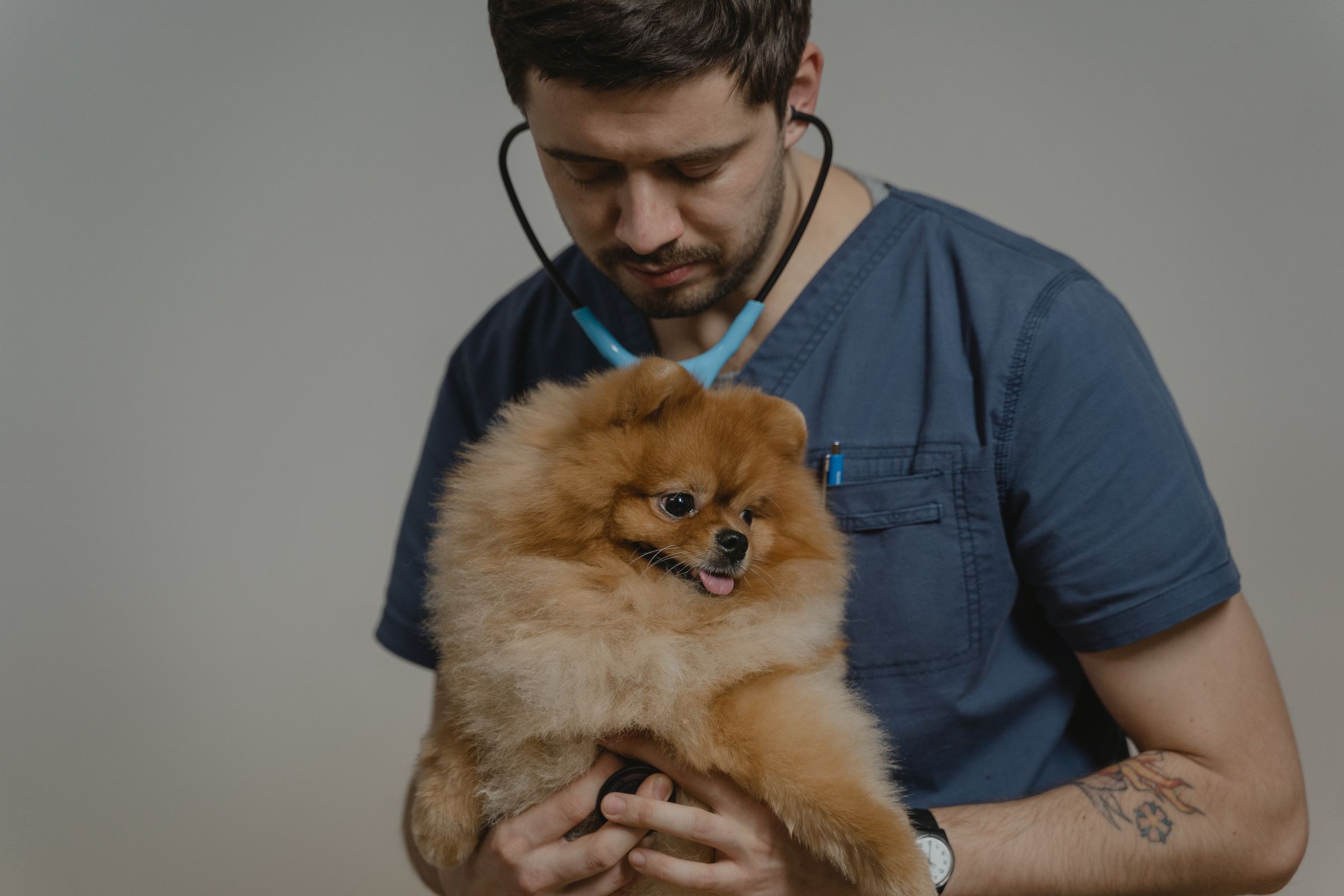
North Carolina is drawing a legal floor under how people care for companion animals. Starting Dec. 1, 2025, owners would have to provide adequate care, exercise, feed, shelter, space, water and veterinary treatment, including emergency veterinary treatment.
The bill defines a companion animal as a domestic dog or domestic cat, not animals raised for human consumption. That gives the state a clearer benchmark when an animal is being kept in unsafe conditions.
The new floor
The phrase “adequate care” is spelled out in plain terms. It covers handling, confinement, feeding, watering, protection, shelter, transportation, treatment and euthanasia when necessary, so long as the care fits the animal’s age, species, condition, size and type.
Food would have to be enough to keep the animal in good health and served cleanly. Water would have to be clean, fresh and potable, with shelter and space set up so the animal can move normally and stay protected from injury and harsh weather.
Working dogs keep their carve-outs
The shelter and space rules would not apply when a dog is used in a lawful hunt, when an owner and dog are working cattle or livestock, when they are cultivating agricultural products, or when a dog is restrained under camping or recreational-area rules.
Local ordinances that already set companion-animal care standards could remain in place, and counties or cities could adopt new ones later if they meet or exceed the state minimum.
Sources
Synthesized from 12 verified citationsSynthesized by AI linked to original documents.