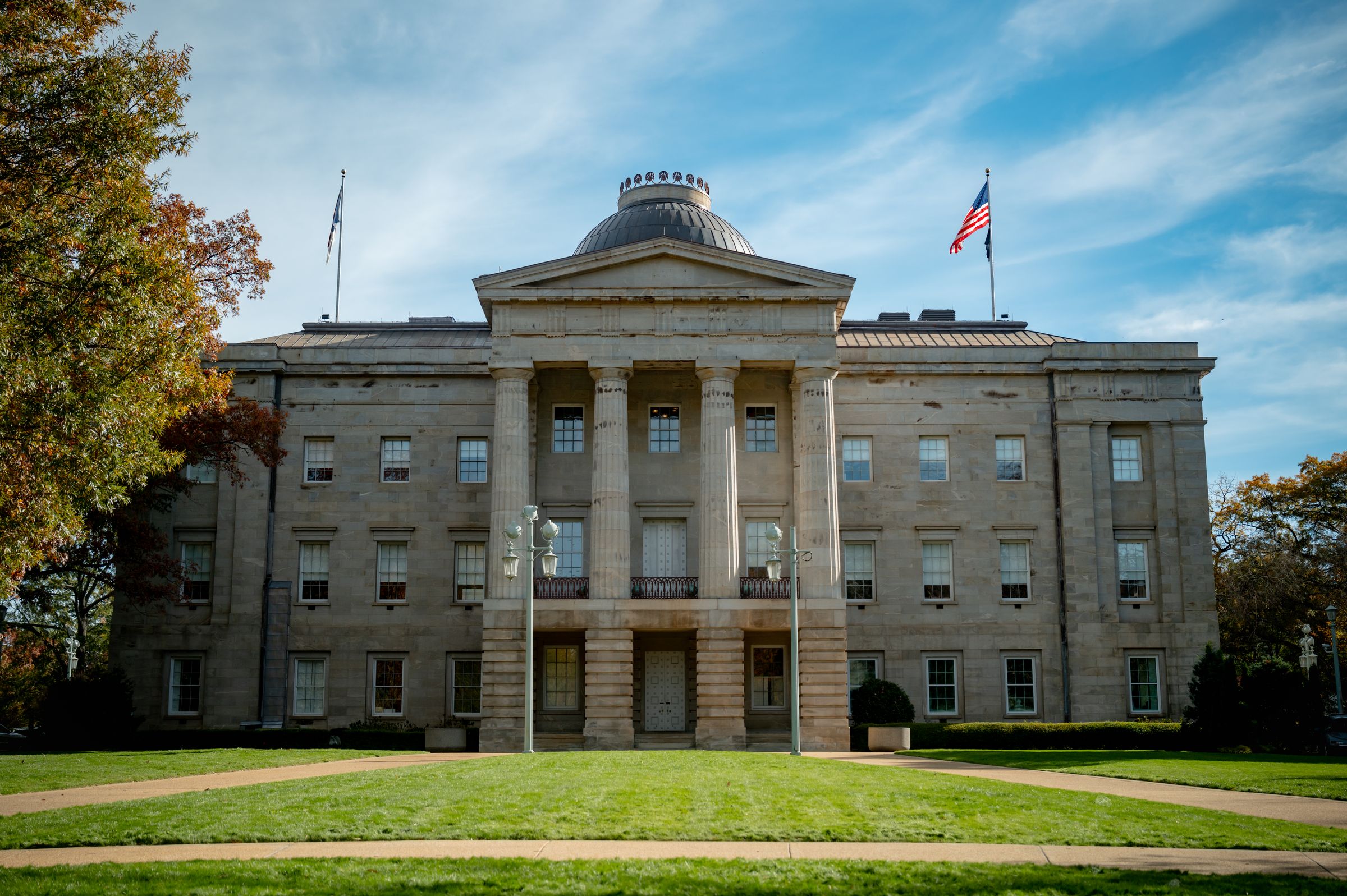
North Carolina lawmakers would give late campaign money a little more breathing room. Under the proposal, political committees, political parties, affiliated party committees and referendum committees would not have to file a 48-hour report until a late contribution or transfer reaches $2,000, up from $1,000. For donors and campaigns in the final stretch before an election, that means fewer small checks would trigger the emergency paperwork voters can see right away.
The bill keeps the same narrow timing window in place. It still covers money received before an election but after the last report due before that election, which is the period when late fundraising can most quickly change what the public knows about a race or referendum.
The new line
Today, that fast-reporting rule kicks in at $1,000. The proposal would double the threshold and apply the higher amount to the same groups: political committees, political parties, affiliated party committees and referendum committees. The basic obligation would not disappear, but smaller late gifts would stop reaching the 48-hour clock so easily.
That matters because the reporting rule is designed for speed, not routine accounting. It is meant to surface bigger late money while an election is still in motion, instead of waiting for the next scheduled disclosure form.
Built to rise with prices
The new $2,000 line would not stay frozen forever. The State Board would increase the reporting threshold each election cycle using the Consumer Price Index, so inflation would keep eroding the rule less over time.
The first inflation-based adjustment could not happen before Oct. 1, 2025, for the election cycle beginning Jan. 1, 2027. That gives the state a fixed starting point and then a moving target after that, rather than one dollar figure that ages quietly in the background.
Sources
Synthesized from 8 verified citationsSynthesized by AI linked to original documents.