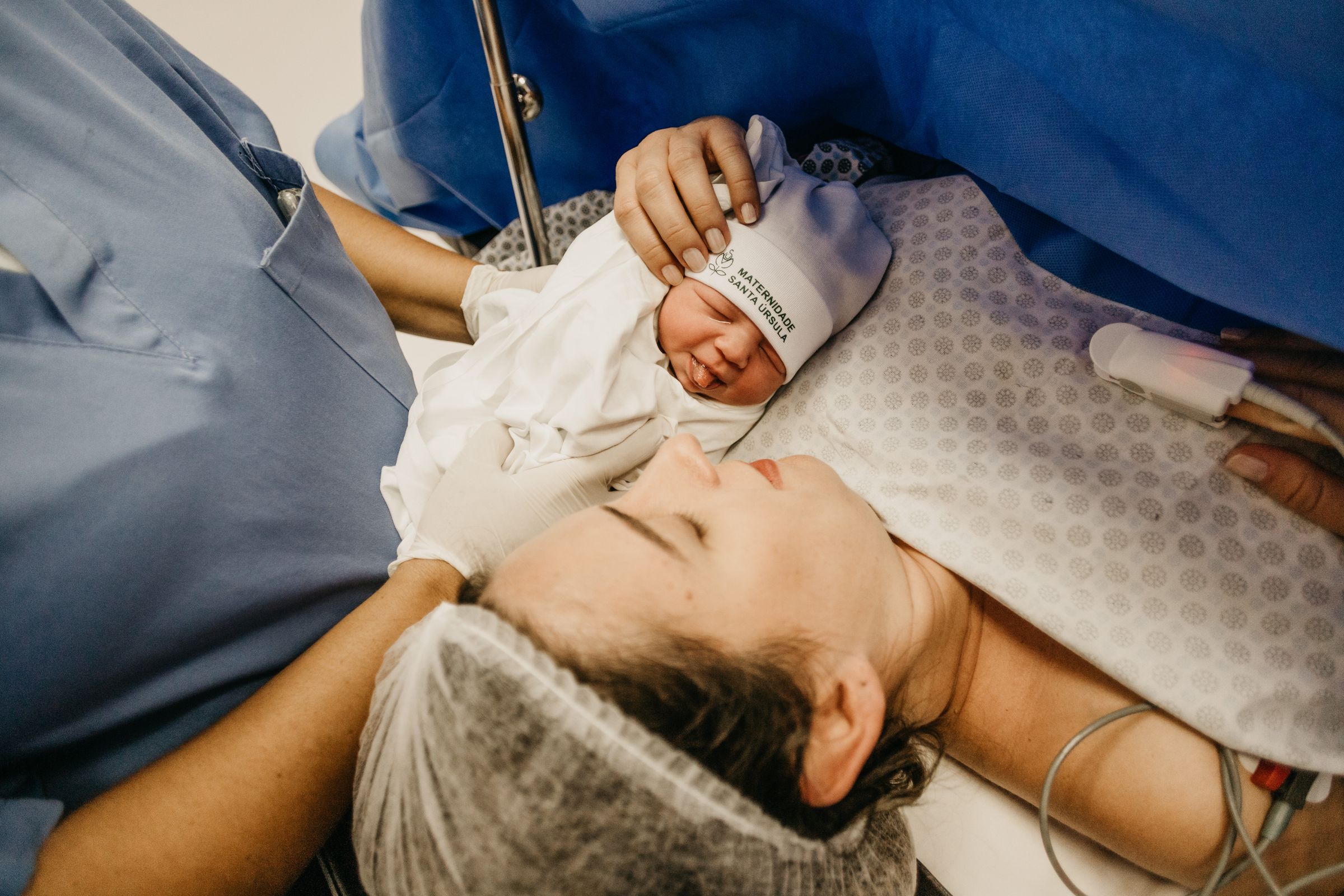
In Ohio, the legal paper trail for a birth would get a clearer place for physician assistants. The rewrite would update sections of state law that govern birth records so the profession is named directly, instead of left to be inferred from broader medical rules.
That matters when the clinician in the room is a physician assistant. For a birth in or en route to an institution, the physician assistant in attendance would be listed on the birth record.
The certificate follows the clinician
The same logic carries outside the hospital. When a birth happens outside an institution, the bill would place a physician assistant in attendance at or immediately after the birth among the people who may prepare and file the certificate, in the order the law sets out.
That is a small-looking change with practical weight. Birth records are the state’s official proof of what happened and who was there. Naming physician assistants in that process makes the rules match the reality of a lot of frontline care, where they are often the licensed provider a family sees first.
A broader legal cleanup
The bill is framed as a broad rewrite of Ohio law governing the practice of physician assistants, and the birth-record language shows how that rewrite reaches into routine administrative work as well as bedside care. It also restates the legal definition of physician assistant in the Revised Code.
This is not a wholesale reinvention of the profession. The point is narrower and more durable: to make sure state law keeps up when a physician assistant is the one handling the moment that needs to be written down.
Sources
Synthesized from 7 verified citationsSynthesized by AI linked to original documents.