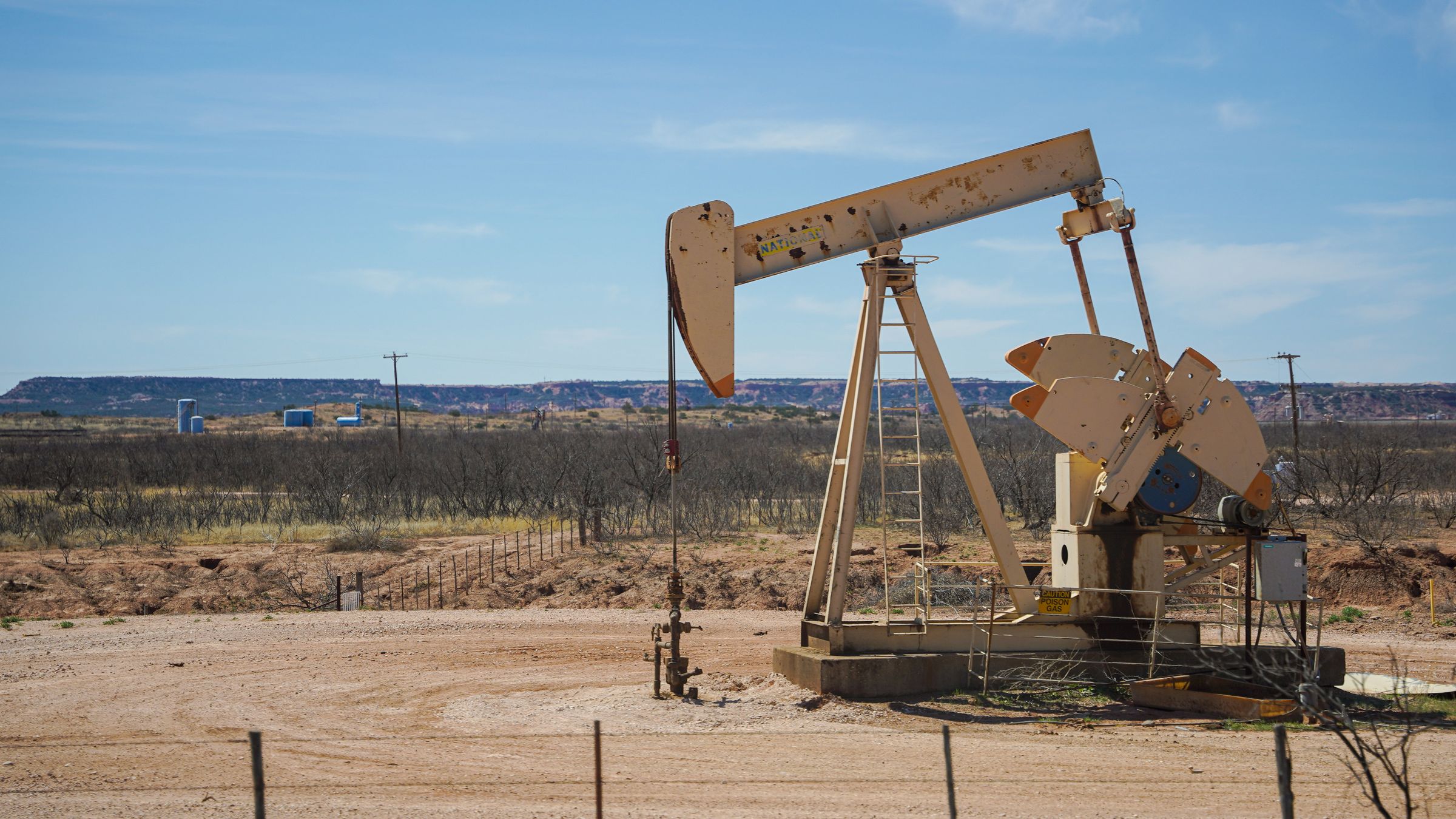
For Ohio counties with wells or mines on federal land, the bill is about money finding its way home. It defines a federal mineral royalty as Ohio’s share of payments from mineral production on federal lands in the state, including national forest system lands, and it defines the county of origin as the county where the wellhead or mine sits. The treasurer of state would put those payments into a federal mineral royalty clearing fund outside the state treasury, then the Office of Budget and Management would send each county its attributable share within 30 days.
That turns a state-level payment into a local ledger. The counties tied to the production would see the money first, instead of letting it sit in a broader pot where the connection to the wellhead or mine is harder to trace.
A narrow spending lane
County commissioners would not get a blank check. They could use the money only for planning, construction and maintenance of public facilities, or for public services. That keeps the payments tied to visible local needs, such as buildings, infrastructure upkeep and the basic work counties are expected to provide.
Public land enters the frame
The text also points in a second direction, one that is less fully drawn. It says a state agency shall lease in good faith a formation within land it owns or controls once the rules take effect, but the public language stops short of showing the full mechanics. Even so, the bill ties the royalty question to a broader effort that could make state-held land more available for energy development.
A floor vote, but not the whole picture
Recorded votes show the bill cleared a floor vote. That does not answer the biggest practical questions, including how much money is at stake or which counties would benefit most, but it does show the proposal has already survived one test on the chamber floor.
Sources
Synthesized from 7 verified citationsSynthesized by AI linked to original documents.