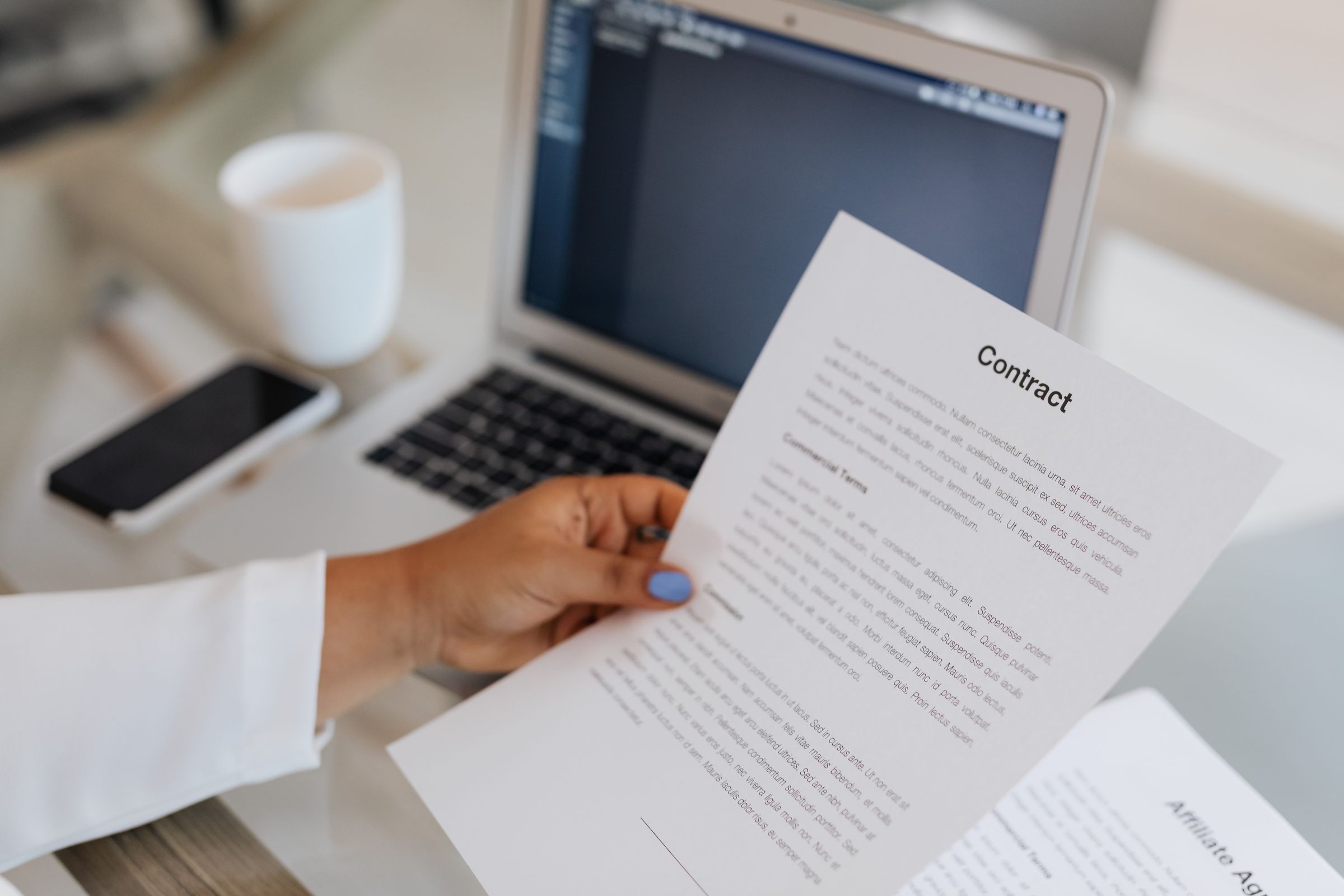
In Ohio, a House bill would make it easier to sort out who has the stronger claim when a loan or lease exists on both paper and in digital records. It would spell out when an electronic copy of chattel paper and other electronic title documents counts as controlled, so disputes over who gets paid first are clearer.
The measure is carried by Representative Dani Isaacsohn, a Democrat from Cincinnati, and Representative Adam Mathews, a Republican from Lebanon. It reaches several UCC articles, but the heart of it is simple: the law is trying to catch up with a market where paper is often only half the story.
Who controls the file
The bill gives special treatment to an authoritative electronic copy of chattel paper, the record lenders use in secured deals. A secured party purchaser would have control if the system used to track the transfer reliably identifies that party as the assignee. In plain terms, the legal system would have to recognize who really holds the digital claim, not just who can open the file.
That matters because control is what helps establish priority. The proposal says a secured party may perfect a security interest in chattel paper by taking possession of each authoritative tangible copy and obtaining control of each authoritative electronic copy. When both paper and electronic versions exist, the lender would have to account for both.
Why the update matters
The rewrite also broadens the UCC definition of title to cover voluntary transfer of control for an instrument, a tangible document of title or an authoritative electronic copy. That brings digital records into the same legal frame as the paper documents that commercial law has relied on for decades.
For businesses and lenders, the practical promise is fewer arguments over whether a record counts and who sits first in line if a deal goes bad. Recorded votes show the bill cleared a floor vote, giving the technical overhaul a visible push forward without changing the basic problem it is trying to solve: how to make the law match the way deals are documented now.
Sources
Synthesized from 10 verified citationsSynthesized by AI linked to original documents.