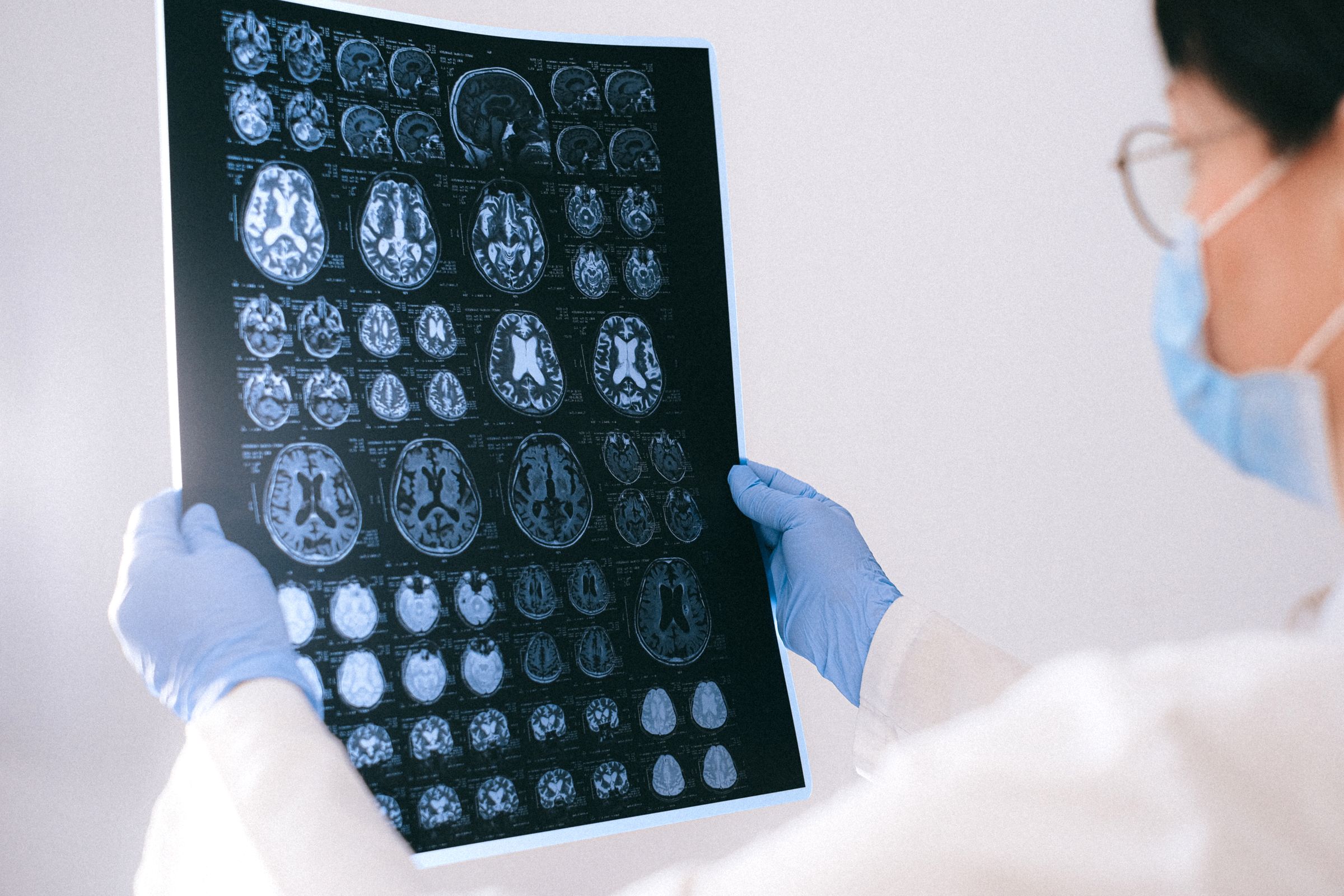
Imaging tests such as CT scans or MRIs often rely on contrast dye injected into a patient’s bloodstream so doctors can see organs and blood vessels more clearly. In Ohio, lawmakers are moving to define exactly who can give that injection and how closely a physician must supervise it.
A proposal in the Ohio General Assembly says a registered nurse may administer imaging contrast if the nurse has completed training and meets competency standards set by the hospital or imaging center. The work must still occur under physician supervision, but the bill clarifies that the doctor does not always have to be physically present.
Under one option in the bill, the physician could supervise remotely as long as they remain readily available to consult with and direct the nurse during the procedure.
Two levels of physician oversight
The proposal draws a line between direct supervision and general supervision, two terms used throughout health care regulation.
With direct supervision, the physician must be present at the location where the contrast is administered. The doctor does not have to watch the injection itself, but must be physically at the facility while it happens.
General supervision works differently. In that case, the physician does not have to be at the location or observe the injection, but must be readily available to answer questions or provide direction while the nurse administers the contrast.
Training and on-site backup
The bill ties that flexibility to training and emergency readiness. Before giving imaging contrast, a registered nurse must meet competency guidelines set by the institution where they practice.
Those standards include the ability to recognize, evaluate, diagnose and distinguish reactions to contrast material or other adverse events that may occur during or after an injection.
If a physician is supervising under the general supervision model, another qualified health care provider must be present where the contrast is administered. That clinician, chosen according to qualifications set by the supervising physician and the institution’s clinical leadership, would be available to assist the nurse if a reaction or complication occurs.
A clearer line for imaging teams
For hospitals, clinics and imaging centers, the proposal mainly clarifies staffing rules for a routine step in many diagnostic exams. It spells out when a physician must be physically present and when trained nursing staff can proceed with remote oversight while keeping clinical backup nearby.
Available vote records show the bill advanced without recorded no votes.
The measure does not authorize independent contrast administration by nurses. The authority remains tied to institutional training standards, physician supervision and immediate assistance if problems arise.
Sources
Synthesized from 13 verified citationsSynthesized by AI linked to original documents.