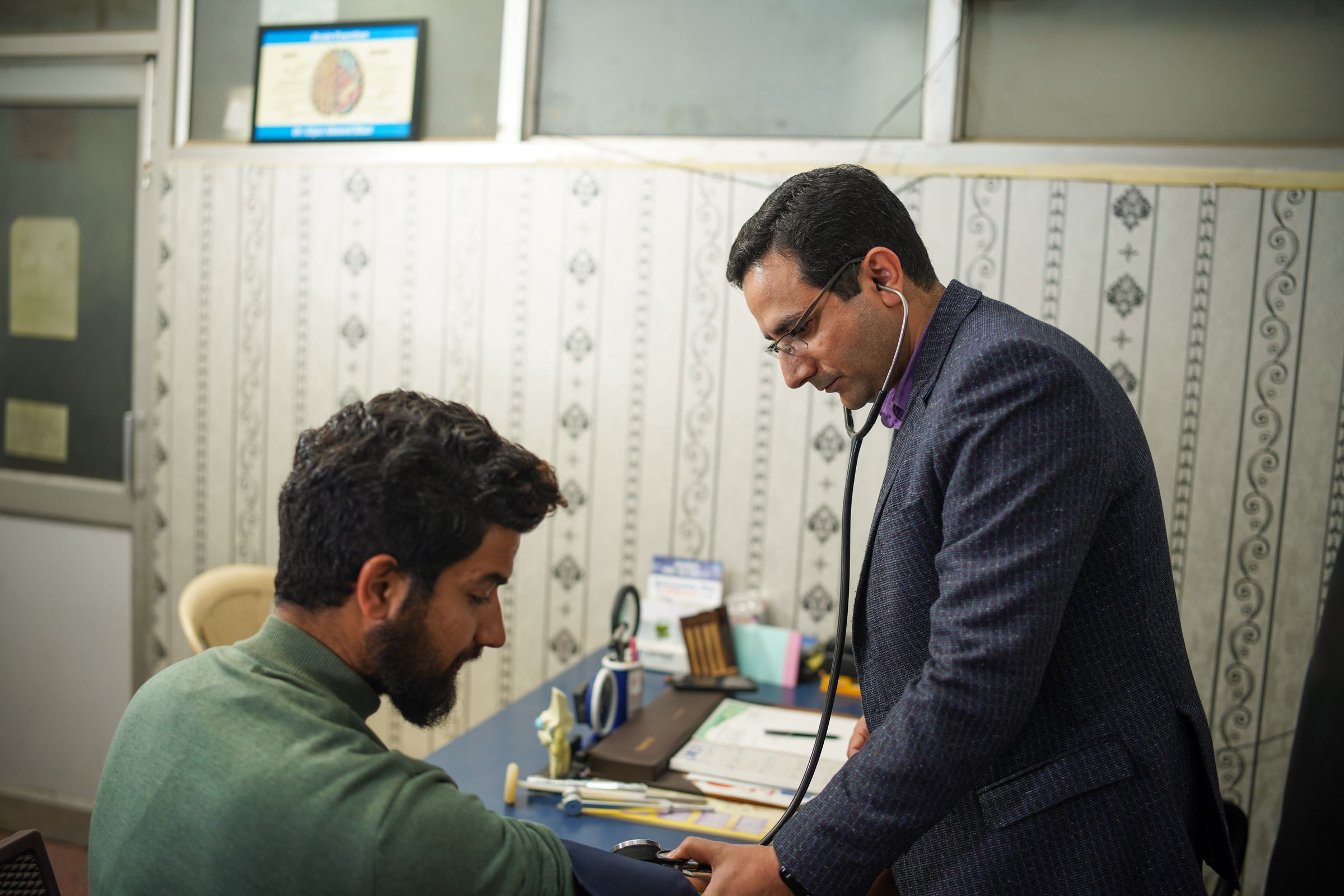
In Ohio, physician assistants would get a clearer legal lane for routine care. The bill says their services include obtaining and performing comprehensive health histories and physical examinations, along with evaluating, diagnosing, managing and providing medical treatment.
It also says they may order, perform and interpret diagnostic studies, therapeutic procedures and other medical services. For patients, that matters when the physician assistant is the first clinician they see and the visit does not wait on every step to be spelled out elsewhere in law.
The line that stays in place
The definition still keeps physician assistants under the supervision, control and direction of one or more physicians. That means the proposal broadens the task list without turning the role into independent practice.
The doctor remains part of the legal structure. What changes is how much of the front end of care the statute now clearly allows physician assistants to handle on their own within that structure.
Why clinics would notice
For clinics, the shift is less about drama than about clarity. Routine visits, testing and follow-up care would have a more explicit home in the law, which can make scheduling and handoffs easier to manage.
For patients, it could mean more of the early work of a visit is done by the person already in the room. The practical result is a wider set of everyday tasks for physician assistants, with physicians still in the chain.
Sources
Synthesized from 6 verified citationsSynthesized by AI linked to original documents.