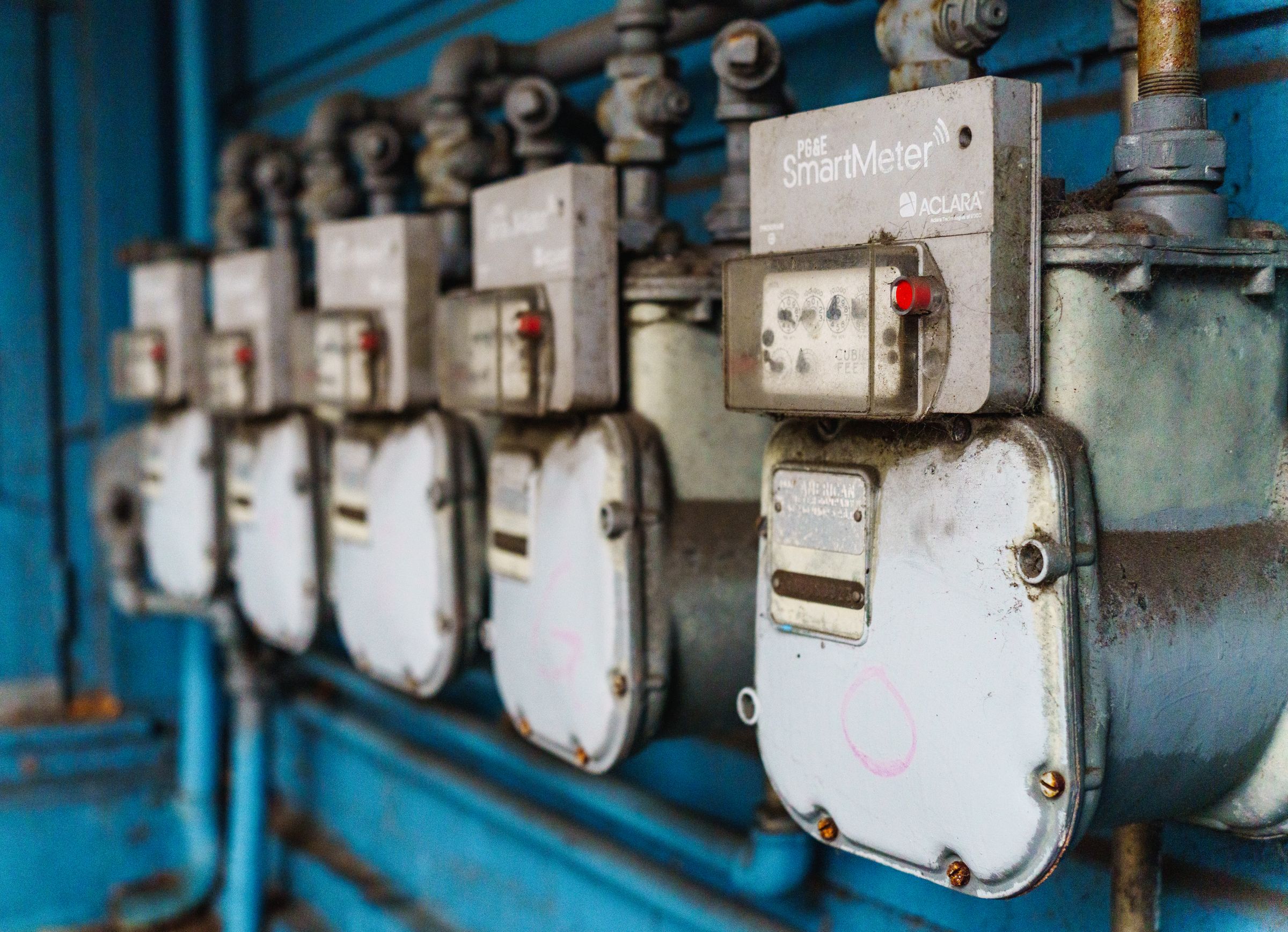
For landlords, building operators and tenants in Ohio, the label on a utility can decide whether a behind-the-meter service falls under state rules at all. This proposal would redraw that line by amending sections 4933.55, 4933.57 and 4933.66 of the Ohio Revised Code, starting with a broad definition of “utility” and then carving out a list of providers lawmakers want to leave outside it.
That sounds abstract until you think about what the classification does. In a submetered building, the difference between being inside the utility definition and outside it can determine who must live under the state’s requirements, and who gets treated as beyond them.
The exclusions set the boundary
The rewrite begins with a definition that sweeps in corporations, companies, copartnerships, people, associations, lessees, trustees and receivers, along with some not-for-profit public utilities. Then it starts drawing lines back out: not-for-profit electric light companies, municipal utilities, railroads, customer-owned natural gas systems serving only their own end users, and providers of advanced services, broadband and information service are all left outside the core definition.
It also treats certain behind-the-meter arrangements differently, including a mercantile customer self-power system and a behind-the-meter electric generation facility. Recorded votes show the measure cleared a floor vote. The practical effect is not a new billing rule so much as a decision about which kinds of providers belong inside Ohio’s regulatory lane in the first place.
Sources
Synthesized from 8 verified citationsSynthesized by AI linked to original documents.