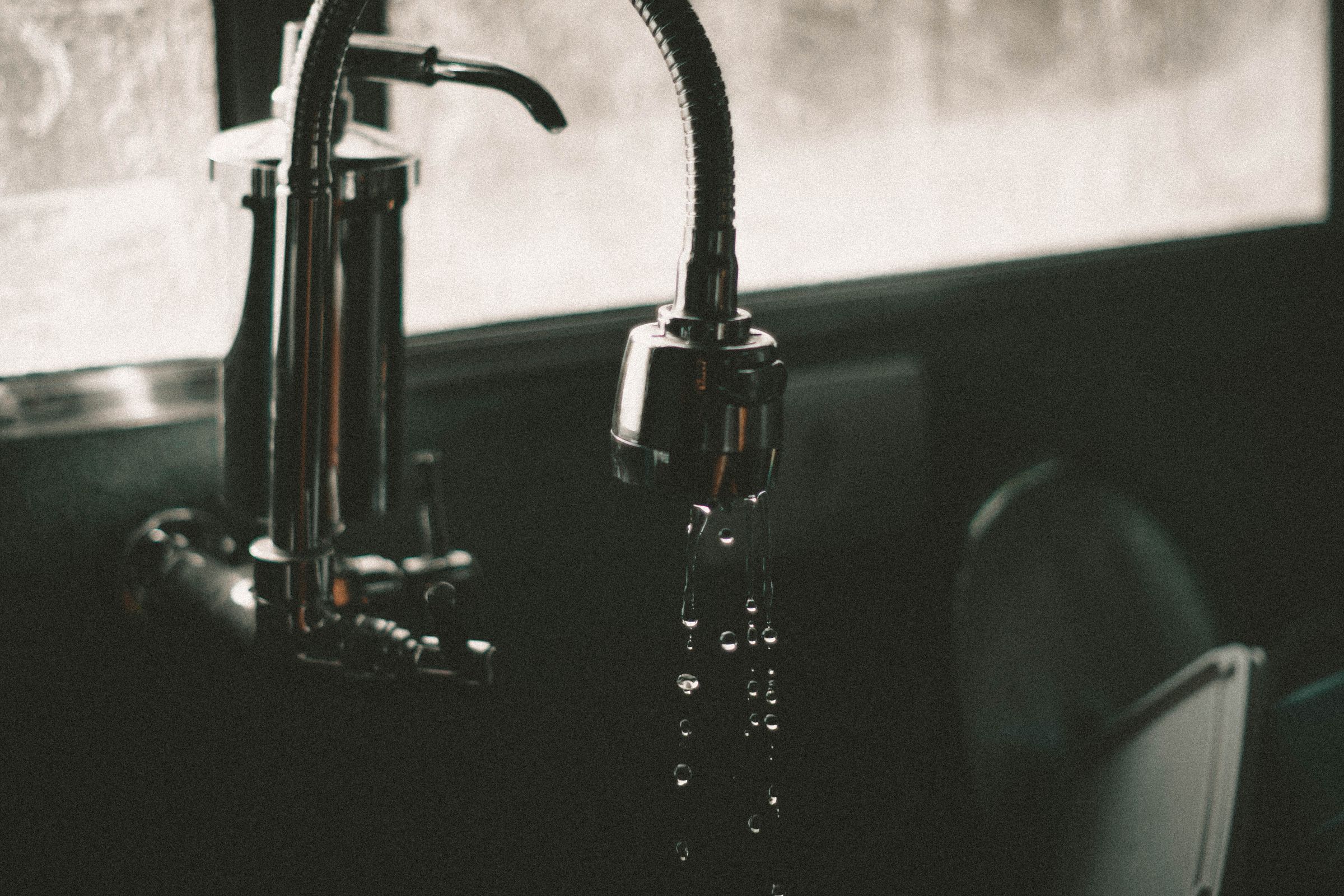
In Ohio, a drinking-water problem does not always have to be solved with a new plant or a bigger pipe. A proposal would let public water systems use point-of-use and point-of-entry treatment devices, which handle water at the tap or at the place it enters a property.
Point-of-use treatment works at the fixture people actually use. Point-of-entry treatment works where water comes into a home or building. The point is to reduce a contaminant enough for the system to meet a maximum contaminant level, the legal limit for drinking water.
A narrower fix for a water system that needs room to maneuver
The bill is not a blanket rule for every water problem. It would let a public water system use these devices in certain circumstances, giving regulators a targeted tool when that approach can help the system reach compliance with the state’s water-quality standard.
That matters because the legal goal is not just cleaner water in the abstract. It is compliance with a maximum contaminant level established under the chapter or under rules adopted from it, which gives the state a concrete benchmark to enforce.
The state keeps the backstop
The new option would still have to fit federal law. And the director could impose conditions on a public water system using point-of-use or point-of-entry treatment devices to protect public health and safety.
That leaves Ohio with more flexibility, but not less oversight. The bill expands how a system can get to safe water, while keeping regulators in charge of the conditions around that fix.
Sources
Synthesized from 7 verified citationsSynthesized by AI linked to original documents.