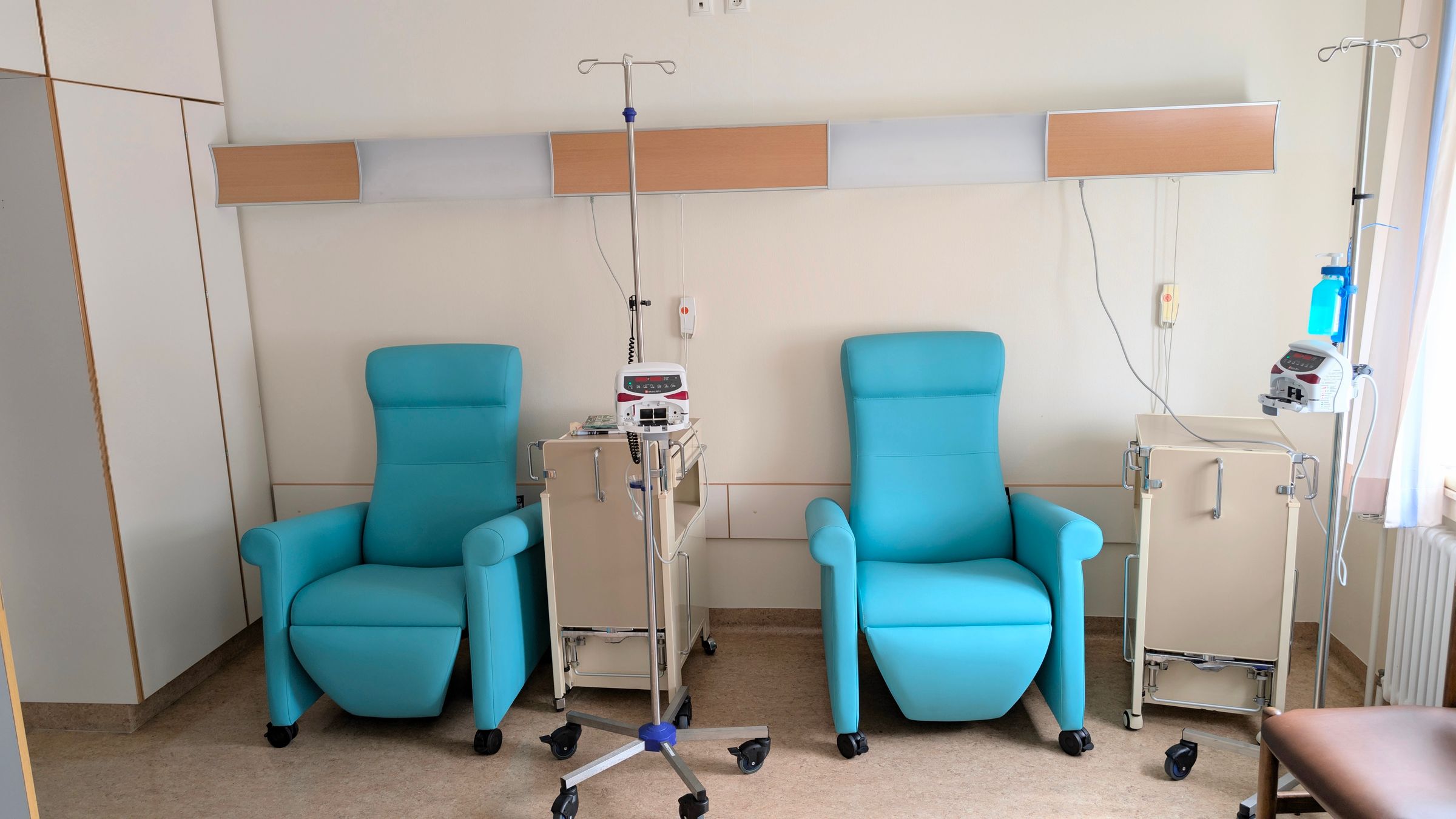
In New Jersey, people who need treatment that has to be given in a clinician’s office or an infusion center would get a stronger shield against surprise costs. The bill would bar health carriers and pharmacy benefit managers, or PBMs, from charging extra fees, higher copays, higher coinsurance, second copays or similar penalties when a covered patient gets one of those drugs from a provider. It would also block coverage rules that limit where the drug can be administered.
Where the charge can’t follow
The measure is aimed at clinician-administered drugs, meaning prescription drugs or biologics other than vaccines that cannot reasonably be self-administered by the patient or someone helping the patient. The text says those drugs are typically given by a health care provider in a physician’s office, a hospital outpatient infusion center or another clinical setting, after a comprehensive pharmacist review tied to a patient care treatment plan.
It would also stop carriers and PBMs from refusing to authorize, approve or pay participating providers for covered clinician-administered drugs and the related services that go with them. That matters because for many patients, the question is not just whether the drug is covered, but whether the plan can push them into a more expensive place of care.
A treatment that stays tied to the clinic
Assemblywoman Carol A. Murphy and Assemblyman Anthony Angelozzi sponsor the bill. The point of the proposal is not to expand every drug benefit in the system. It is to make sure that when a medicine has to be given in a clinical setting, the patient is not punished for needing the clinic at all.
For people managing serious conditions, that can mean fewer financial detours and less plan-driven pressure to chase a different site of care just to avoid a second bill.
Sources
Synthesized from 7 verified citationsSynthesized by AI linked to original documents.