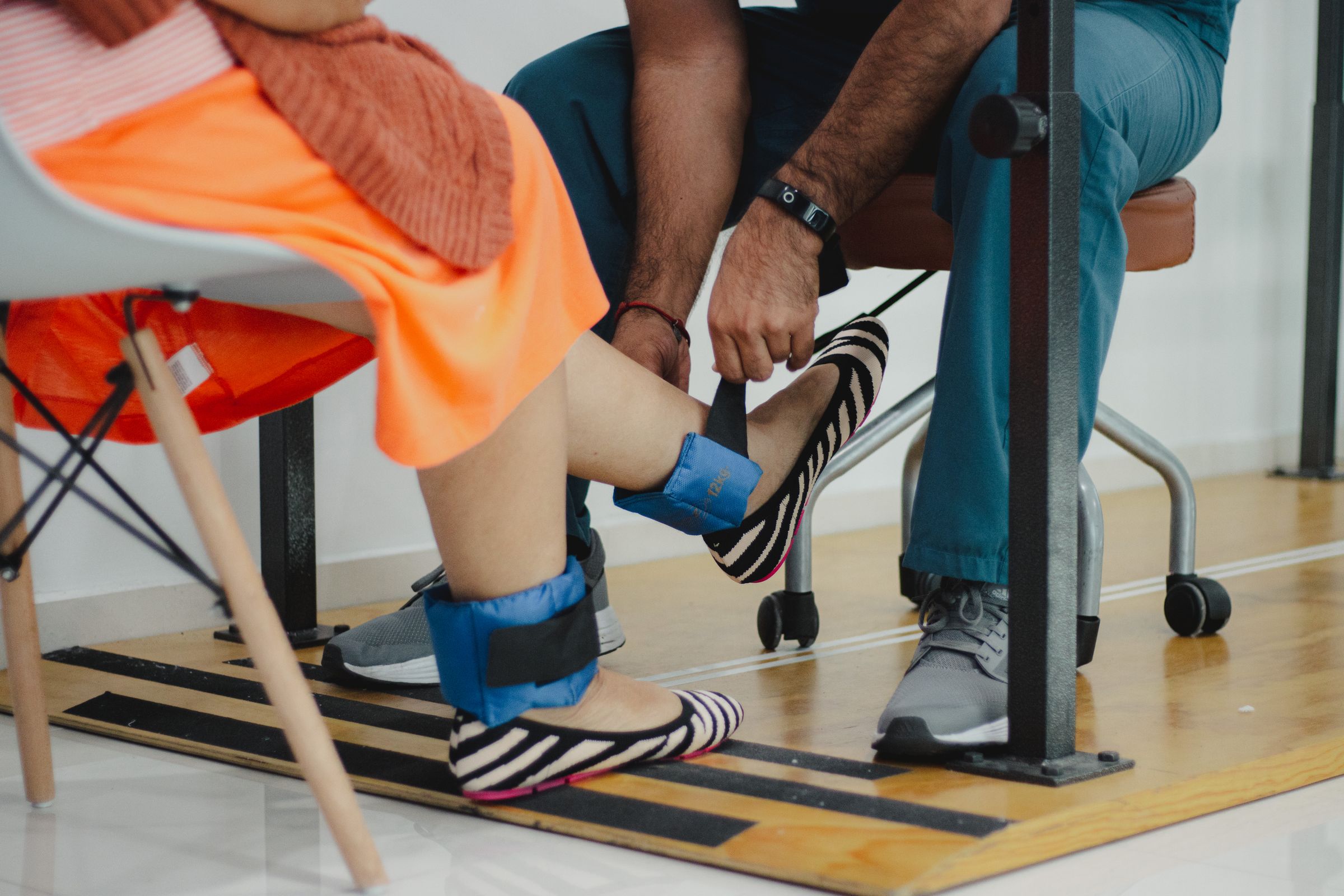
Alaska patients could start occupational therapy sooner by skipping the outside referral step, under a bill that cleared the Legislature and is now before the governor. The measure also broadens what occupational therapists can do under state law.
The bill also says the services an occupational therapist may provide include treating a person's pain. That matters because occupational therapy is often about the practical work of daily life, not just recovery in the abstract: getting dressed, moving safely, managing discomfort and returning to routines that have been interrupted.
A shorter path to care
For patients, direct access is the part most likely to be felt quickly. It can shorten the gap between noticing a problem and getting help, especially when the issue is functional, physical or tied to pain rather than a condition that first has to move through another office.
The change does not stand alone. It sits inside Alaska's broader health licensing language, where lawmakers are also revisiting how the state names and describes other professions.
One bill, many licenses
The rewrite reaches professional or associate counselors, dentists, dietitians or nutritionists, massage therapists, practitioners or osteopaths under AS 08.64, direct-entry midwives, optometrists under AS 08.72, licensed pharmacists under AS 08.80, physical therapists under AS 08.84 and psychologists. In other words, this is not just an occupational therapy bill. It is a housekeeping-and-expansion measure for a wide slice of Alaska health care law.
For readers, the practical question is simple: who can treat, when they can start, and how much of a patient's first step has to be spent getting permission instead of getting care. The answer here leans toward speed and flexibility.
Sources
Synthesized from 9 verified citationsSynthesized by AI linked to original documents.